Paddy Fields: How to Grow Rice Efficiently in India with Biotech Solutions
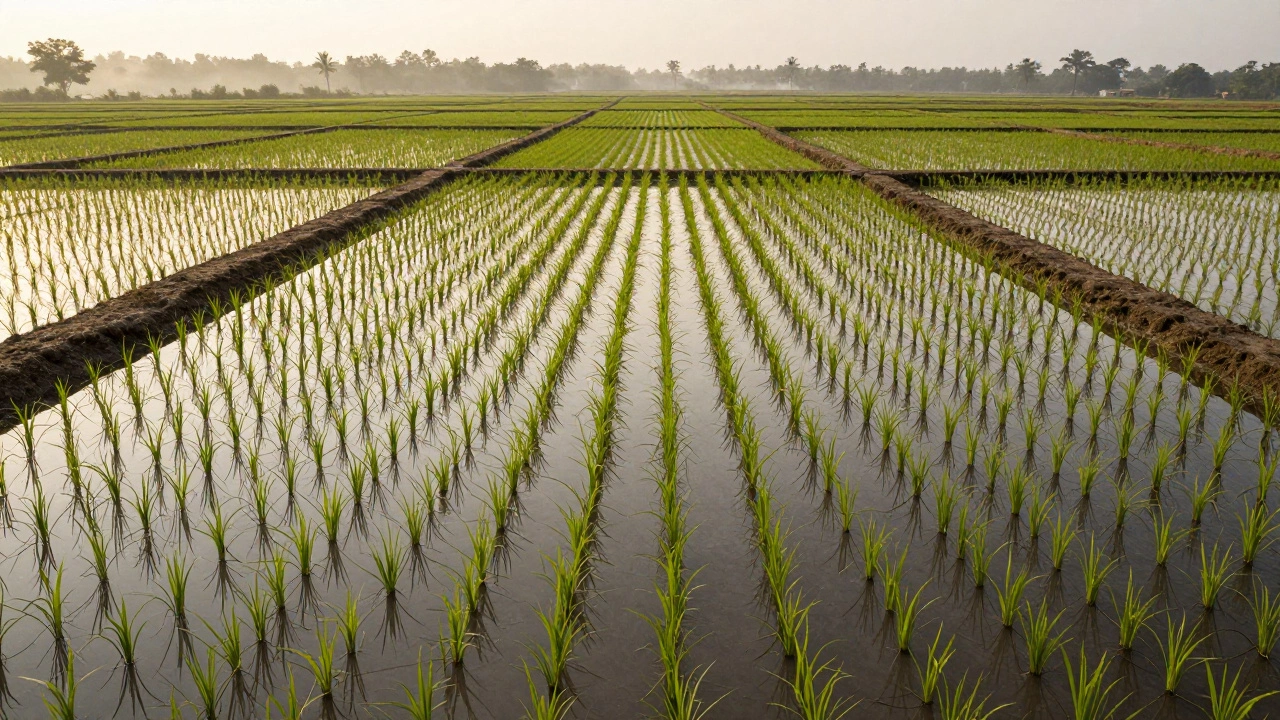
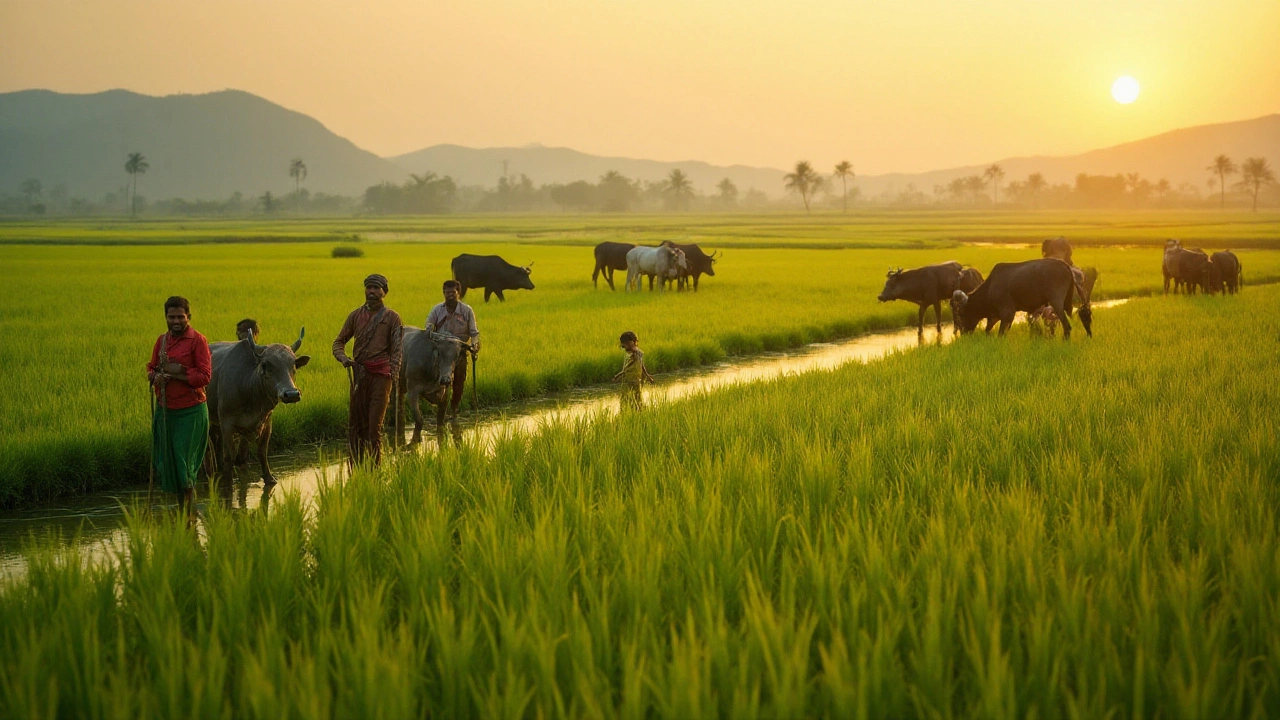
When you think of paddy fields, flooded fields where rice is grown, often seen across India’s rural heartland. Also known as rice paddies, they feed millions and shape entire farming cultures. But today’s paddy fields aren’t just about flooding land and waiting for harvest. They need smart water use, healthy soil, and real biotech help to survive climate shifts and rising costs.
Most farmers still rely on old methods—flooding fields for weeks, using too much water, and treating soil like it’s endless. But drip irrigation, a system that delivers water directly to plant roots with minimal waste is changing that. It’s not just for tomatoes or herbs. In paddy fields, controlled water delivery cuts usage by up to 40% and keeps roots from rotting. And it’s not magic—it’s science. compacted soil, hard, dense earth that blocks water and roots is a silent killer in rice fields. It traps water on top but starves roots below. Fixing it with compost, aeration, and natural loosening tools isn’t optional anymore—it’s the difference between a good yield and a lost season.
Then there’s neem oil, a natural pesticide made from tree seeds that stops insects without poisoning soil or bees. In paddy fields, pests like stem borers and leaf hoppers can wipe out crops fast. Chemical sprays work short-term but wreck soil life and pollute water. Neem oil? It breaks the pest cycle without the fallout. And it’s cheap enough for small farmers to use regularly.
Water isn’t just a resource—it’s the biggest cost. Rainwater harvesting, mulching, and subsurface irrigation are no longer niche ideas. They’re survival tools for rice growers in drought-prone states like Maharashtra and Andhra Pradesh. You don’t need fancy equipment. A simple rain barrel, a layer of straw mulch, or a buried pipe system can turn waste water into saved harvests.
What’s missing in most paddy farming isn’t effort—it’s knowledge. Farmers know their land, but they don’t always know how biotech tools can work with their traditional wisdom. The posts below show real fixes: how to adjust watering schedules for monsoon shifts, how to test soil before planting, how to use organic fertilizers that actually feed the ground, and why some "high-yield" seeds fail because the soil can’t support them. These aren’t theory pages. They’re field-tested guides from people who’ve seen their rice turn yellow, their pumps break, and their profits vanish—and then figured out how to fix it.
Discover why rice is one of the hardest crops to grow, from anaerobic soil requirements and intense water management to the grueling process of transplanting.
Flooding rice fields is a practice steeped in both scientific reasoning and cultural tradition. It serves as a unique environment that benefits rice growth by controlling weeds and pests, ensuring nutrient availability, and maintaining soil structure. This article explores the reasons and methods behind this distinctive agricultural practice. We delve into its ecological advantages, historical roots, and contemporary techniques.