Perennial Plants India: Best Long-Lasting Garden Choices for Indian Climates
When you plant a perennial plant, a plant that lives for more than two years and returns each season without replanting. Also known as long-lasting garden plants, it gives you greenery year after year without the hassle of starting from seed every spring. In India’s wild climate swings—from scorching summers to heavy monsoons and cool winters—most annuals die off fast. But the right perennial plants India can handle it all. They don’t just survive; they thrive, needing less water, less fertilizer, and way less work than their one-season cousins.
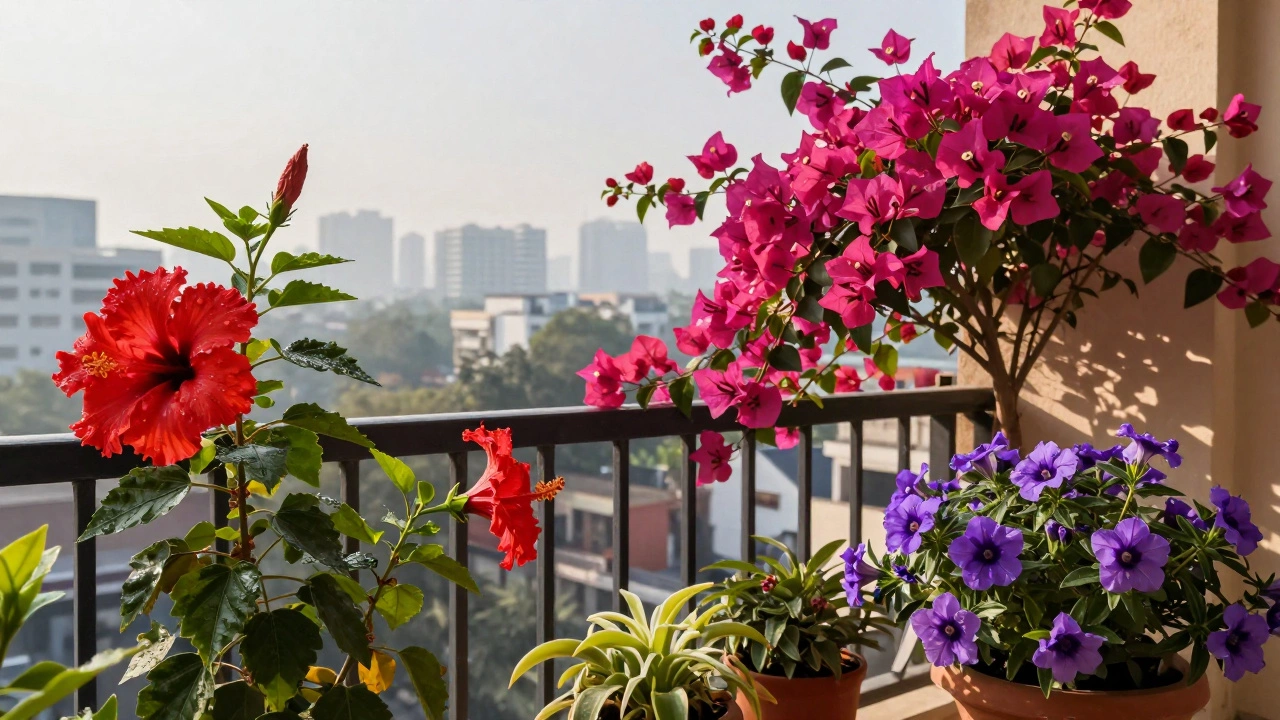
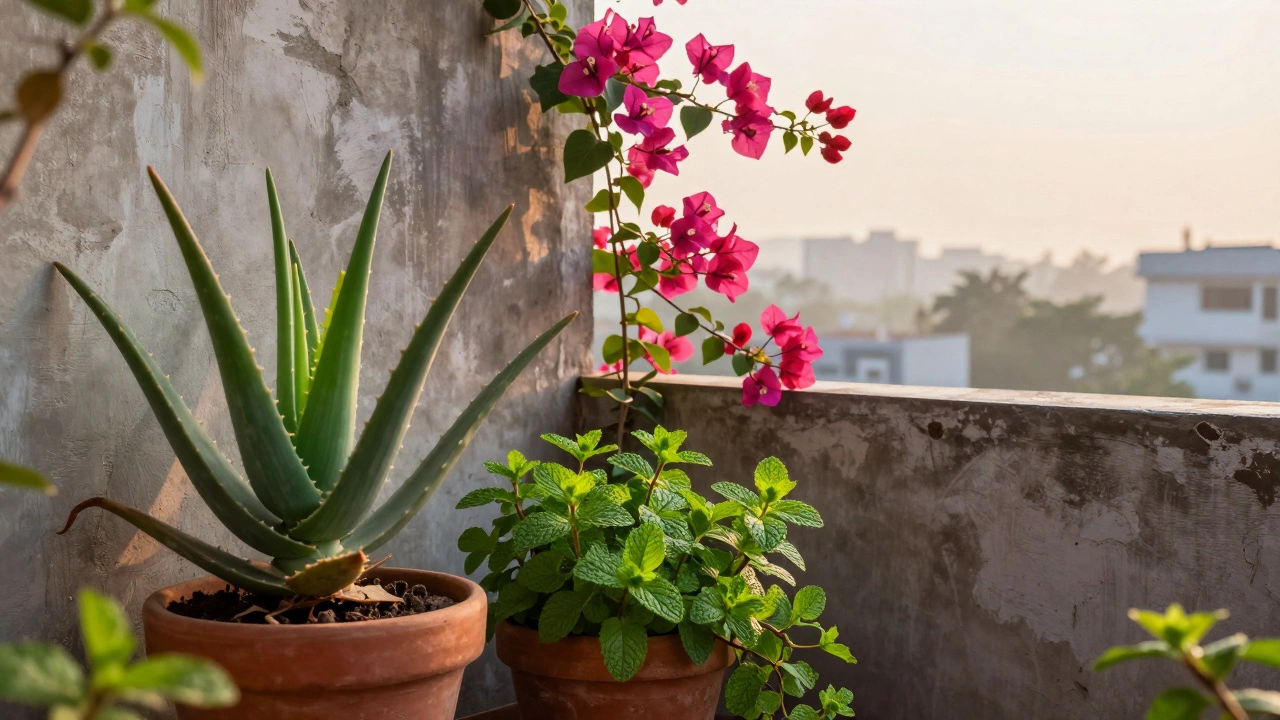
These aren’t just any tough plants. They’re the ones that have adapted to Indian soil, rainfall patterns, and temperature swings over centuries. Think of bougainvillea, a vibrant, drought-tolerant vine that blooms nonstop in warm regions, or lantana, a hardy shrub that attracts butterflies and ignores pests. Then there’s ashwagandha, a native medicinal perennial used in Ayurveda and easy to grow in dry, sunny spots. These plants don’t just look good—they’re built for Indian gardens, not imported from places with different weather.
What makes them special? They go dormant in winter or dry spells, then bounce back when conditions improve. Their roots store energy, so they don’t need constant watering. You won’t find them in most nursery catalogs, but once you plant them, they become part of your garden’s backbone. They work in pots, raised beds, or open soil. They pair well with native grasses, mulch, and compost—things you’ll see covered in posts about soil health and low-maintenance gardening.
Many gardeners in India waste time and money chasing fleeting blooms, only to replant every year. Perennials break that cycle. They’re the secret behind gardens that stay lush without daily attention. If you’ve ever struggled with plants dying after the first heatwave, or tired of buying new seedlings every season, this is your fix. The posts below cover exactly which perennials work where, how to avoid common mistakes, and what to plant alongside them for a garden that lasts.
Discover the top five plants that bloom year-round in India, no matter the season. Learn how hibiscus, bougainvillea, and others thrive with minimal care in any Indian garden.