Perlite Alternatives: Better Soil Amendments for Gardening in India
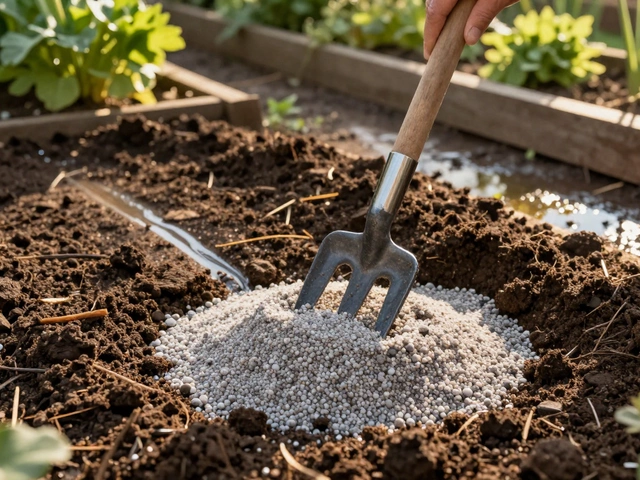
When you need a light, airy soil mix for pots or seedlings, perlite, a volcanic glass expanded by heat to create lightweight, porous granules used in gardening to improve soil aeration and drainage. Also known as expanded volcanic rock, it’s commonly sold in garden centers—but it’s not the only option, and in India’s hot, dry climate, it’s often not the best one. Perlite is dusty, floats to the surface when watered, and gets washed away easily in monsoon rains. Plus, most of it is imported, driving up the cost. You don’t need it. There are smarter, locally available materials that do the same job—and often better.
Take coconut coir, a renewable fiber extracted from coconut husks, used in horticulture to retain moisture while allowing air flow through soil. It’s widely available across southern India, absorbs water like a sponge, and breaks down slowly without compacting. Unlike perlite, it doesn’t blow away in the wind. Then there’s pumice, a naturally porous volcanic rock that improves drainage and aeration without floating or dusting. Found in volcanic regions, it’s heavier than perlite, so it stays put in pots, even during heavy rains. For indoor plants or seed trays, vermiculite, a mineral that expands when heated, used to hold water and nutrients in soil works well if you need moisture retention along with aeration—but avoid it in humid climates where mold is a risk.
And if you’re serious about sustainability, skip synthetic options entirely. Many Indian gardeners use rice husk ash—a waste product from rice mills—as a free, effective substitute. It’s gritty, drains well, and adds silica to the soil, which strengthens plant stems. Others mix in broken brick pieces or even baked clay pellets (like those used in hydroponics). These aren’t fancy, but they work. You don’t need to buy imported bags. You can make your own blend using what’s already around you.
The posts below show real examples of how people in India are replacing perlite with local materials. You’ll find guides on fixing compacted soil, building self-sustaining gardens, and choosing the right mix for balcony veggies—all without relying on expensive, imported additives. Whether you’re growing Vanda orchids in Chennai or tomatoes on a Mumbai terrace, the right soil amendment doesn’t have to come from a warehouse. It can come from your backyard, your local market, or even your kitchen waste.
Perlite is popular for soil improvement, but it's not all sunshine. Explore real downsides of perlite in gardening, its risks, and possible alternatives.
Continue reading...