Perlite Downsides: What No One Tells You About This Gardening Staple
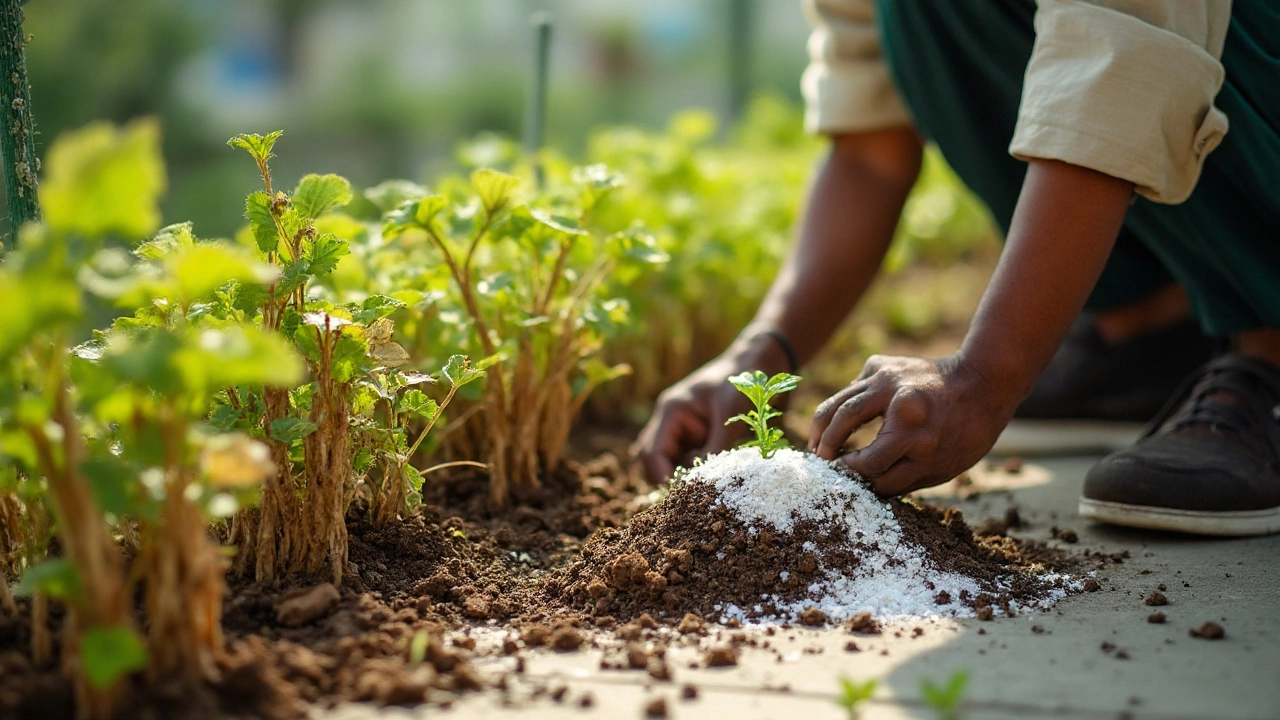
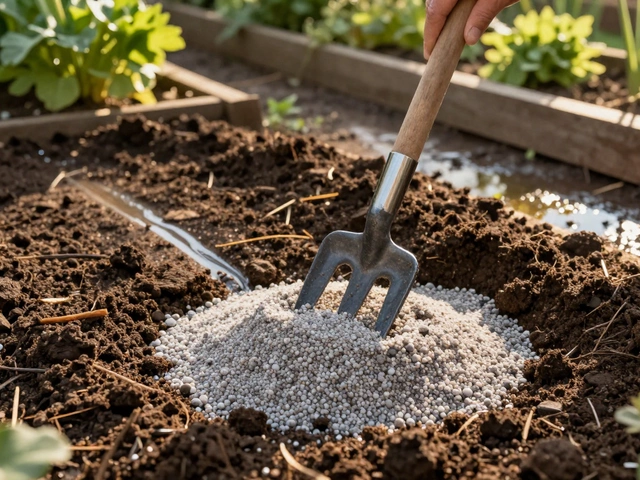
When you buy perlite, a lightweight, white volcanic glass used to loosen soil and improve drainage. Also known as expanded volcanic glass, it's sold everywhere as the go-to fix for heavy soil. But here’s the truth most garden centers won’t tell you: perlite isn’t magic. It’s a band-aid that often makes things worse.
First, it floats. When you water, perlite rises to the top like foam on beer. That means your plant roots get buried under a layer of useless rock dust instead of nice, airy soil. In pots, this leads to dry roots and wet tops — the perfect setup for root rot. Second, it’s dusty. Every time you open a bag, you’re breathing in fine particles that can irritate lungs and eyes. And once it’s in the soil, it doesn’t break down. It just sits there, year after year, blocking water flow instead of helping it.
Then there’s the cost. A 4-cubic-foot bag of perlite costs more than a whole bag of compost. And compost? It feeds your soil. Perlite just makes it lighter. If you’re trying to fix compacted soil, you’re better off mixing in worm castings or leaf mold. They hold water, feed microbes, and slowly improve structure. Perlite? It does none of that. It’s a one-trick pony that doesn’t even do its trick well in many cases.
And don’t get fooled by the "perfect drainage" myth. Plants don’t need dry soil. They need consistent moisture. Perlite drains too fast in hot climates like India’s, forcing you to water twice a day. That’s not efficiency — that’s exhaustion. Look at the posts below. You’ll see how people are fixing soil with compost, mulch, and even coconut coir — materials that hold moisture, build life, and actually last.
Perlite isn’t evil. But it’s overused. And when you treat it like a cure-all, you’re ignoring the real problem: your soil needs feeding, not just fluffing. The best gardens don’t rely on synthetic additives. They build living soil. And that’s what you’ll find in the posts ahead — real fixes, real results, and the quiet revolution happening in Indian gardens that doesn’t need a single bag of perlite.
Perlite is popular for soil improvement, but it's not all sunshine. Explore real downsides of perlite in gardening, its risks, and possible alternatives.
Continue reading...