Perlite Risks: What You Need to Know Before Using It in Your Garden
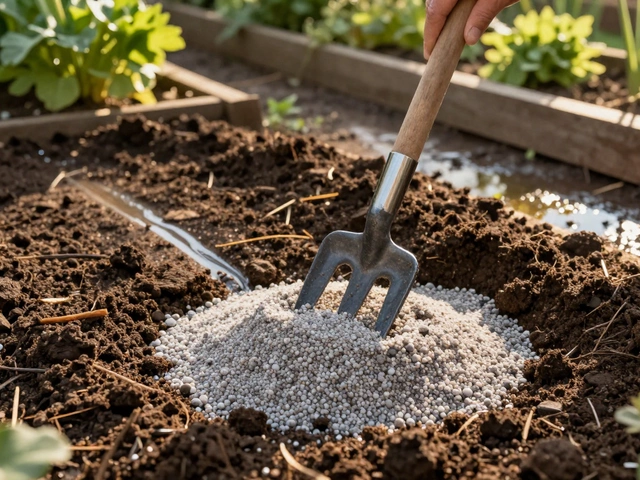
When you buy perlite, a lightweight, volcanic glass used to loosen soil and improve drainage. Also known as expanded volcanic rock, it’s sold as a miracle fix for heavy clay or compacted dirt. But what most gardeners don’t realize is that perlite risks can be just as real as its benefits. In India’s hot, dry climates, where water retention is already a challenge, perlite can actually make things worse—not better.
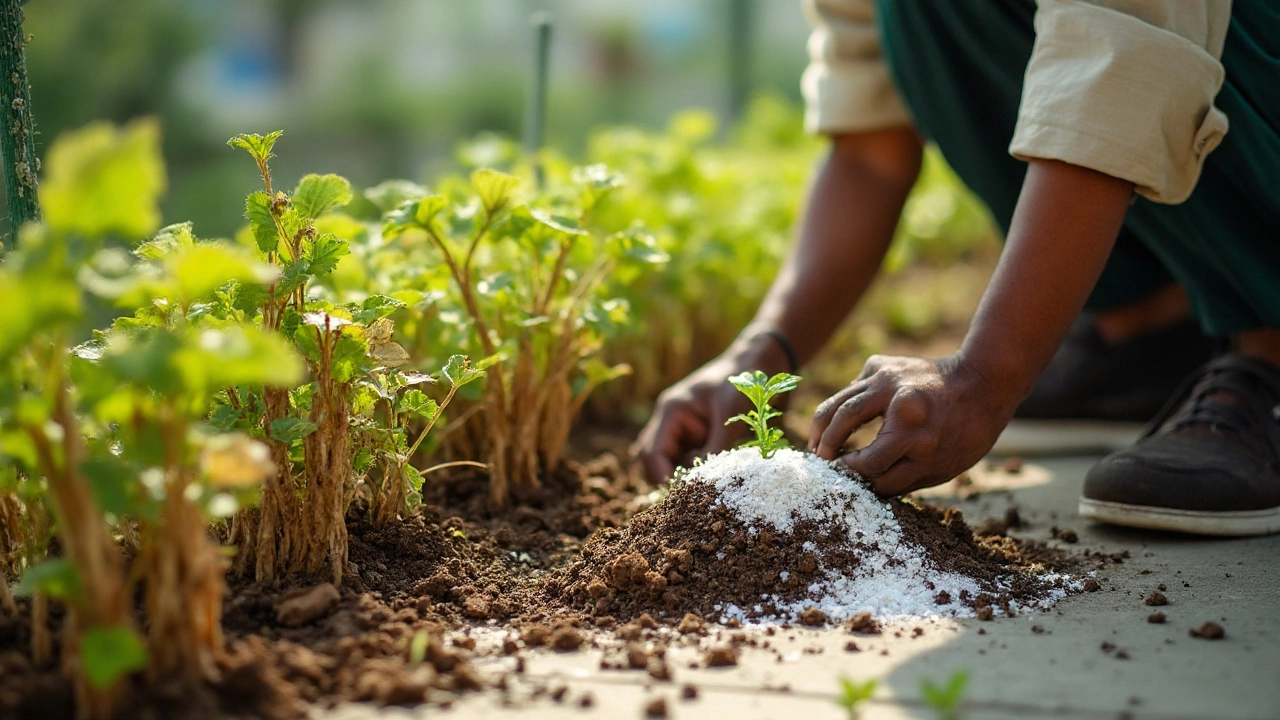
Here’s the problem: perlite doesn’t hold water. It’s designed to drain fast, which sounds good until you’re watering your seedlings every other day and they still look thirsty. In pots, perlite floats to the top after rain or watering, leaving a white crust that blocks moisture from reaching roots. Worse, its sharp edges can damage delicate root systems—especially in young plants or sensitive species like Vanda orchids, which need gentle, consistent moisture. And if you’re using it in raised beds or terrace gardens (common in Indian homes), perlite can wash away during monsoons, leaving your soil structure unstable and your plants exposed.
It’s not just about drainage. Perlite is often mixed with peat moss or coco coir, which can become too acidic over time. In India’s already alkaline soils, this combo can throw off pH balance, making nutrients like iron and magnesium unavailable to plants. You end up with yellowing leaves, stunted growth, or even root rot—all blamed on "overwatering," when the real culprit is the perlite altering your soil’s chemistry. And unlike compost or vermiculite, perlite adds zero nutrients. It’s pure filler. You’re paying for air space, not fertility.
Some gardeners swear by it for succulents or cacti, and sure, in dry climates with perfect drainage, it can work. But in most Indian home gardens—where containers sit on balconies, terraces, or rooftops with limited airflow and erratic watering—it’s a gamble. You’re betting your plants on perfect conditions that rarely exist. The truth? Most gardeners don’t need perlite at all. Better alternatives like coarse sand, rice husk ash, or even broken brick pieces give you drainage without the downsides. And if you’re trying to fix compacted soil, compost and mulch do more than perlite ever could—they feed the soil while loosening it.
So before you grab another bag of perlite, ask yourself: Are you improving your soil—or just masking a deeper problem? The posts below show real cases where perlite backfired, what experts in Indian gardening have learned from trial and error, and the safer, smarter ways to get the same results without the risk.
Perlite is popular for soil improvement, but it's not all sunshine. Explore real downsides of perlite in gardening, its risks, and possible alternatives.
Continue reading...