Plant Disadvantages: Common Problems and How to Fix Them
When you bring a plant home, you expect it to grow strong and beautiful. But too often, it wilts, turns yellow, or dies—no matter what you do. That’s not because you’re bad at gardening. It’s because every plant has plant disadvantages, inherent challenges like sensitivity to moisture, soil type, or climate that make them harder to grow than they look. Even the toughest-looking plants have hidden weaknesses. The Vanda orchid, for example, needs perfect humidity and airflow—most people treat it like a houseplant and wonder why it dies. Overwatering is the #1 killer, not lack of sunlight or bad soil. And it’s not just beginners who make this mistake. Even experienced gardeners keep watering daily because they think more is better.
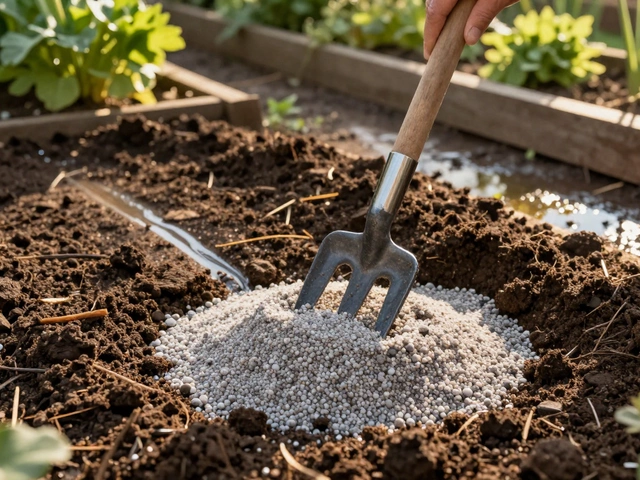
Behind every dead plant is a hidden compacted soil, dense, hard earth that blocks roots, traps water, and starves plants of oxygen. It’s invisible until you dig down. That’s why your tomatoes look sick even with perfect watering. Or why your bonsai’s roots turn mushy—because water can’t drain. overwatered plants, show subtle signs like yellow leaves, soggy soil, and stunted growth—mistaken for hunger or disease. You add fertilizer, and it gets worse. The real fix? Stop watering on a schedule. Start checking the soil. Let it dry. Let it breathe. The same goes for balcony gardens in hot cities. A 10x10 patio can hold a thriving garden, but only if you avoid the trap of too many pots, too little airflow, and too much sun without shade.
There’s no magic fertilizer or miracle product that fixes everything. The real solution is understanding your plant’s limits. Some plants, like durian trees, take years to bear fruit and need perfect conditions just to survive. Others, like jasmine, bloom beautifully in monsoon rain but rot if the soil stays wet too long. plant care mistakes, like using drip irrigation every day or assuming all plants need the same amount of water, are everywhere. You’re not alone. Most gardeners fail because they treat plants like appliances—set it and forget it. But plants aren’t machines. They react. They signal. You just have to learn how to listen.
Below, you’ll find real fixes for real problems. No fluff. No theory. Just what actually works: how to tell if your bonsai is drowning, why your soil won’t absorb water, which plants are too needy for your balcony, and how to stop killing them with kindness. You’ll learn why neem oil works better than chemicals, how to revive dead-looking soil, and why sometimes, the best thing you can do is water less. These aren’t tips. They’re lessons learned from plants that survived—and the ones that didn’t.
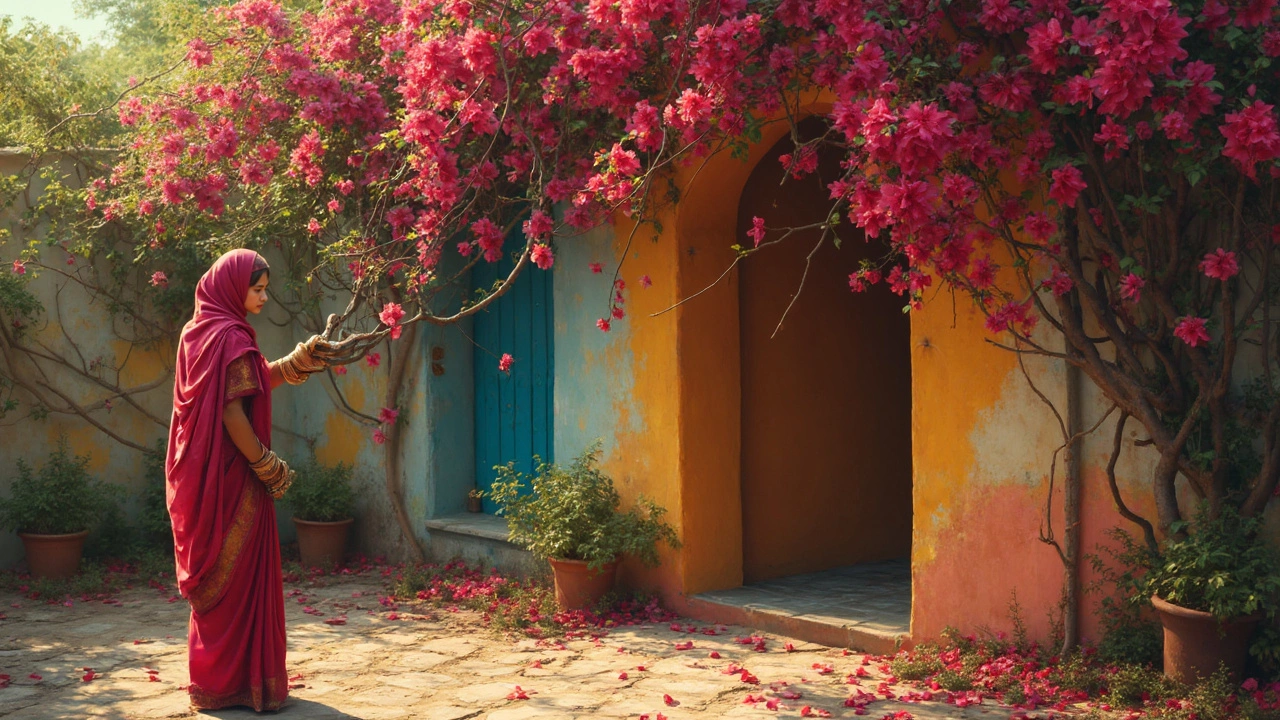
Bougainvillea might look stunning in Indian gardens, but it’s not always a perfect fit. This article shines a light on the real-life problems bougainvillea can cause, from messy growth to skin irritations. You’ll find out why handling this plant isn’t as easy as it seems, and what to consider before letting it take over your wall or fence. There are practical tips for keeping its wild side in check, plus ideas if you want the color without the chaos. Know what you’re getting into before planting bougainvillea in your space.