Rainwater Harvesting: How to Collect and Use Rainwater for Greener Gardens in India
When you think of rainwater harvesting, the practice of collecting and storing rainwater for later use, especially in gardening and agriculture. Also known as rain catchment, it’s not just for eco-warriors—it’s a smart move for every Indian gardener dealing with erratic monsoons and rising water costs. In places like Bangalore, Chennai, and Pune, where tap water is unreliable and groundwater is sinking, rainwater harvesting isn’t optional. It’s survival. And it’s not as complicated as you think. You don’t need fancy tanks or engineers. Just a roof, a pipe, and a bucket—maybe two.
It connects directly to garden irrigation, the method of delivering water to plants, often through drip systems or manual watering. Most people water their plants daily, wasting precious water while their soil dries out fast. But if you store rainwater during the monsoon, you can stretch it through the dry months. That’s why posts here talk about drip irrigation, a precise watering system that delivers water directly to plant roots, reducing waste—because when you’ve got stored rainwater, you want to use it wisely. Drip systems paired with rainwater tanks cut usage by up to 60%. No guesswork. No runoff. Just healthy plants.
And it ties into sustainable gardening, a holistic approach to growing plants that protects the environment, saves resources, and reduces chemical use. You’re not just saving water—you’re avoiding tap water loaded with chlorine, reducing plastic bottles, and cutting down on energy used to pump and treat water. That’s why you’ll find posts here about homemade fertilizers, fixing compacted soil, and growing veggies in small spaces. All of it adds up. Rainwater harvesting is the quiet backbone of these practices. It’s the reason your okra thrives in summer, your jasmine blooms after the rains, and your terrace garden doesn’t turn to dust in April.
India’s monsoon isn’t just a season—it’s a resource. Right now, millions of rooftops are letting that water run off into drains. But you? You can catch it. Start small: a barrel under your balcony drain. Then scale up: gutters, filters, underground tanks. You don’t need to do it all at once. Just begin. The posts below show you exactly how—whether you’re growing jasmine on a balcony, fixing soil in a backyard, or setting up a drip system for your terrace garden. This isn’t theory. It’s what real gardeners in India are doing right now. And it’s working.
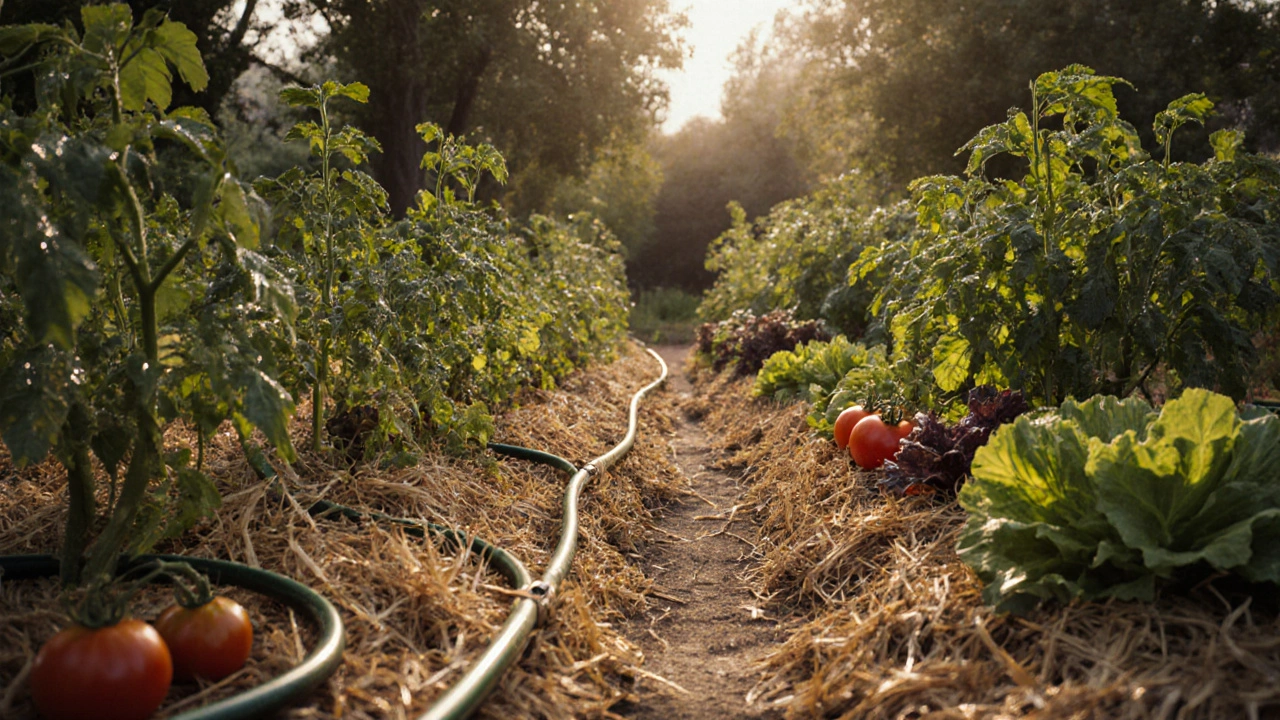
Drip irrigation saves water, but better options exist. Soaker hoses, mulching, rainwater harvesting, and subsurface irrigation cut usage even more - with less cost and maintenance.
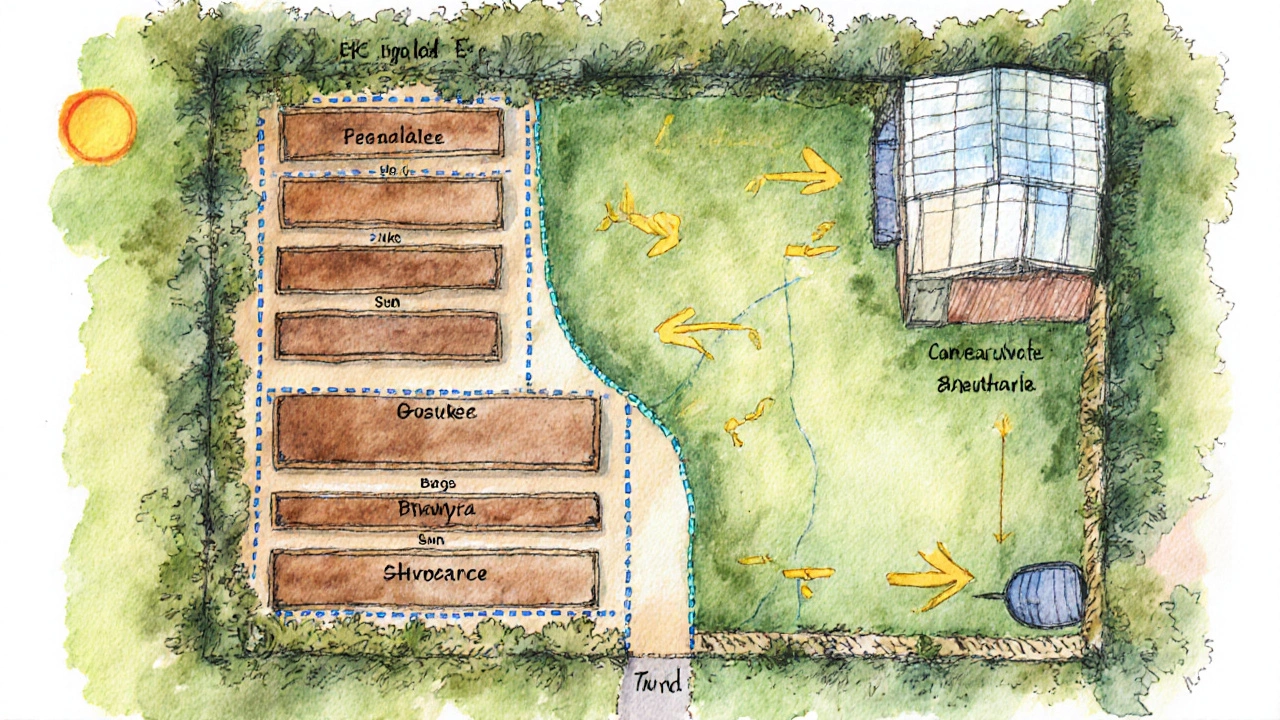
Learn step‑by‑step how to create a self‑sustaining garden that conserves water, builds soil and feeds itself using compost, rain barrels and smart planting.