DIY Self‑Sustaining Garden: Step‑by‑Step Guide
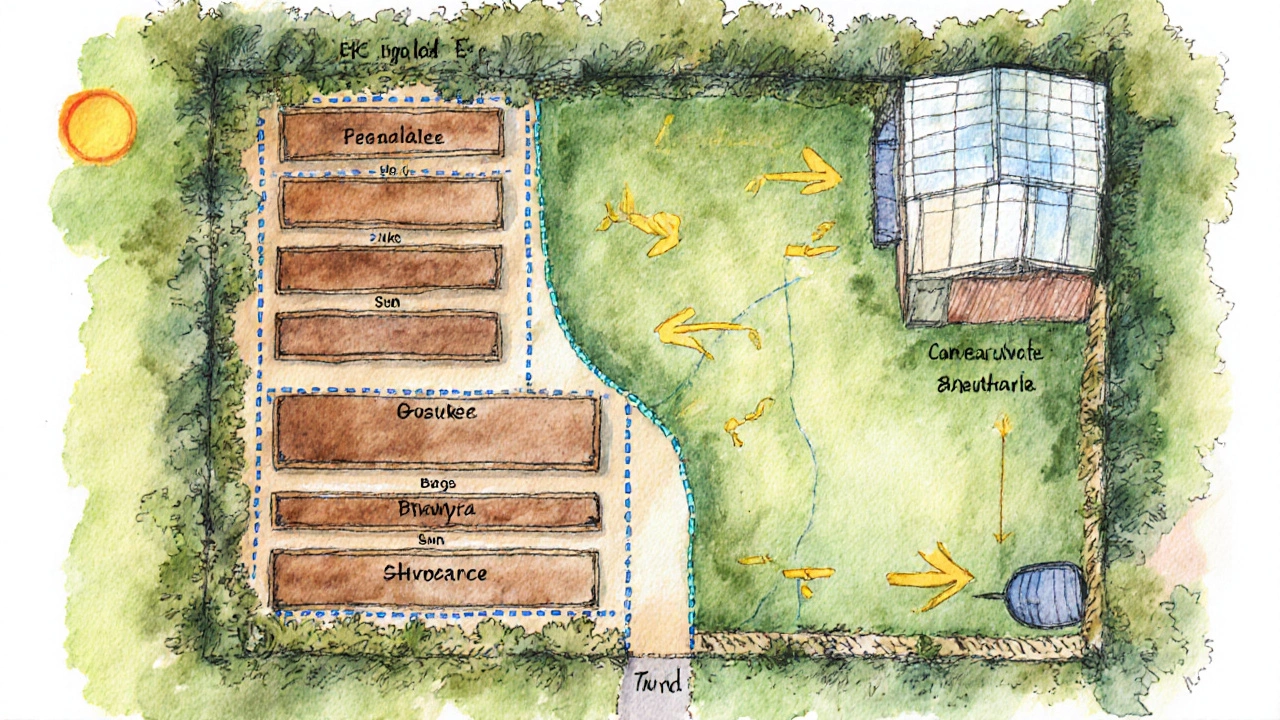
Learn step‑by‑step how to create a self‑sustaining garden that conserves water, builds soil and feeds itself using compost, rain barrels and smart planting.
Continue reading...When you hear self-sustaining garden, a garden designed to thrive with little to no human intervention by using natural cycles and ecological balance. Also known as permaculture garden, it’s not about laziness—it’s about smart design. It’s the difference between chasing water every day and letting your plants find their own rhythm. In India’s unpredictable climate, where monsoons flood and summers bake the soil, a self-sustaining garden isn’t a luxury—it’s a survival strategy.
It starts with soil health, the foundation of any thriving garden, built through compost, mulch, and minimal disturbance to keep microbes alive. Compacted, lifeless soil is the enemy. Fix it with compost and mulch, like the guides on reviving tired soil and breaking up hard ground. Healthy soil holds water, feeds roots naturally, and lets plants fight off pests without chemicals. That’s where organic pest control, using natural solutions like neem oil to stop insects without poisoning bees or soil comes in. Neem oil isn’t just a spray—it’s a long-term shield that keeps pests away without breaking the ecosystem.
Water is the next piece. Running a drip system every day? That’s not sustainable—it’s a habit. A real self-sustaining garden uses rainwater harvesting, collecting and storing rain to reduce or eliminate the need for tap water. Combine that with mulch, and you cut watering needs by half. Soaker hoses and subsurface irrigation work better than drips in some cases, and they’re cheaper to install. You don’t need fancy tech—just smart placement. Think of your garden like a sponge: soak it once, cover it well, and let it hold on.
Plants matter too. You don’t need high-maintenance flowers or finicky orchids. Pick natives or tough survivors—plants that bloom through heat, dry spells, and light neglect. The Vanda orchid? Too much work. But jasmine? It thrives in monsoon rain and needs almost nothing else. Year-round bloomers, like certain perennials, reduce replanting. And if you’re growing veggies, containers or ground? Either works, as long as the soil’s right and the water’s stored.
It’s not about buying more tools. It’s about using less. Less water. Less fertilizer. Less time. A self-sustaining garden doesn’t ask you to be perfect—it asks you to be patient. Let the soil do the work. Let the rain help. Let the plants choose their own pace. Below, you’ll find real fixes for real problems: how to stop overwatering bonsai, how to design drip zones without waste, how to turn old soil into gold, and why ditching daily irrigation might be the best decision you ever make for your garden.
Learn step‑by‑step how to create a self‑sustaining garden that conserves water, builds soil and feeds itself using compost, rain barrels and smart planting.
Continue reading...