Unsustainable Vegetables: What Not to Grow and Why It Matters
When you think of gardening, you picture fresh tomatoes, crisp cucumbers, and lush greens—but not all vegetables deserve a spot in your garden. Unsustainable vegetables, crops that demand too much water, deplete soil, or require heavy chemical inputs to survive. Also known as water-intensive or resource-heavy plants, these vegetables may look tempting but often cost more than they give back—especially in India’s unpredictable climate. Growing them isn’t just inefficient; it’s harmful to your soil, your wallet, and the environment.
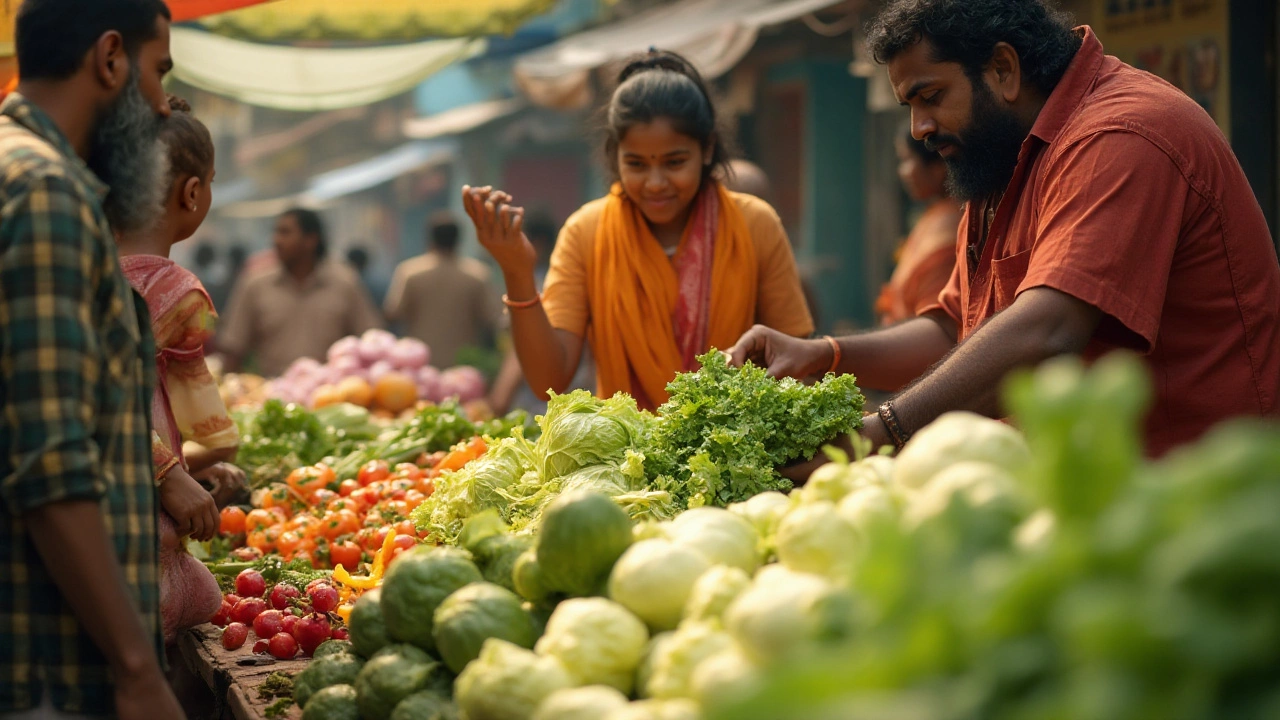
Take water-intensive crops, vegetables that need constant irrigation to thrive. Things like cauliflower, cabbage, and broccoli demand steady moisture, which means daily watering—even in dry months. That’s not just a hassle; it’s a waste. In places like Rajasthan or Tamil Nadu, where water is scarce, these plants fight against nature instead of working with it. And when you overwater to keep them alive, you risk compacted soil, dense, lifeless earth that blocks roots and drains poorly, a problem we’ve seen ruin dozens of home gardens. Compacted soil doesn’t just hurt your plants—it kills the microbes that feed them.
Then there’s the hidden cost: fertilizer and pesticides. Many unsustainable vegetables are fragile. They attract pests, so gardeners reach for chemicals. But those chemicals don’t vanish—they build up in the soil, poisoning the very system you’re trying to grow in. That’s why sustainable gardening, a system that works with nature, not against it, is the real win. It’s not about avoiding all hard-to-grow plants. It’s about choosing wisely. Why spend hours fighting a plant that’s not meant for your climate when you could grow okra, bitter gourd, or cowpeas—native, tough, and thriving with minimal care?
You’ll find posts here that show you exactly what to skip and why. Some explain how overwatering kills even the toughest plants. Others reveal how soil health turns bad gardens into thriving ones. You’ll see how drip irrigation, often seen as a fix-all, can actually make things worse if used on the wrong crops. And you’ll learn what replaces these water-guzzling veggies—not just alternatives, but better ones that feed you, save water, and rebuild your soil.
This isn’t about guilt. It’s about smart choices. You don’t need to grow everything. You need to grow what lasts. What gives back. What fits your land, your climate, and your time. The posts below aren’t just tips—they’re real lessons from gardeners who tried the hard way and found an easier path. Let them show you what to avoid… and what to grow instead.
With the rise of conscious consumerism and sustainable living goals, it's crucial to examine which vegetables are considered unsustainable due to their environmental impact. This article explores the factors that contribute to unsustainability in vegetable production, focusing on water usage, pesticide needs, and carbon footprint. Learn about the notorious iceberg lettuce and discover alternatives that minimize environmental harm. Embrace eco-friendly practices to turn your gardening efforts into a force for good.