Discover the Most Needy Plant for Your Balcony Garden
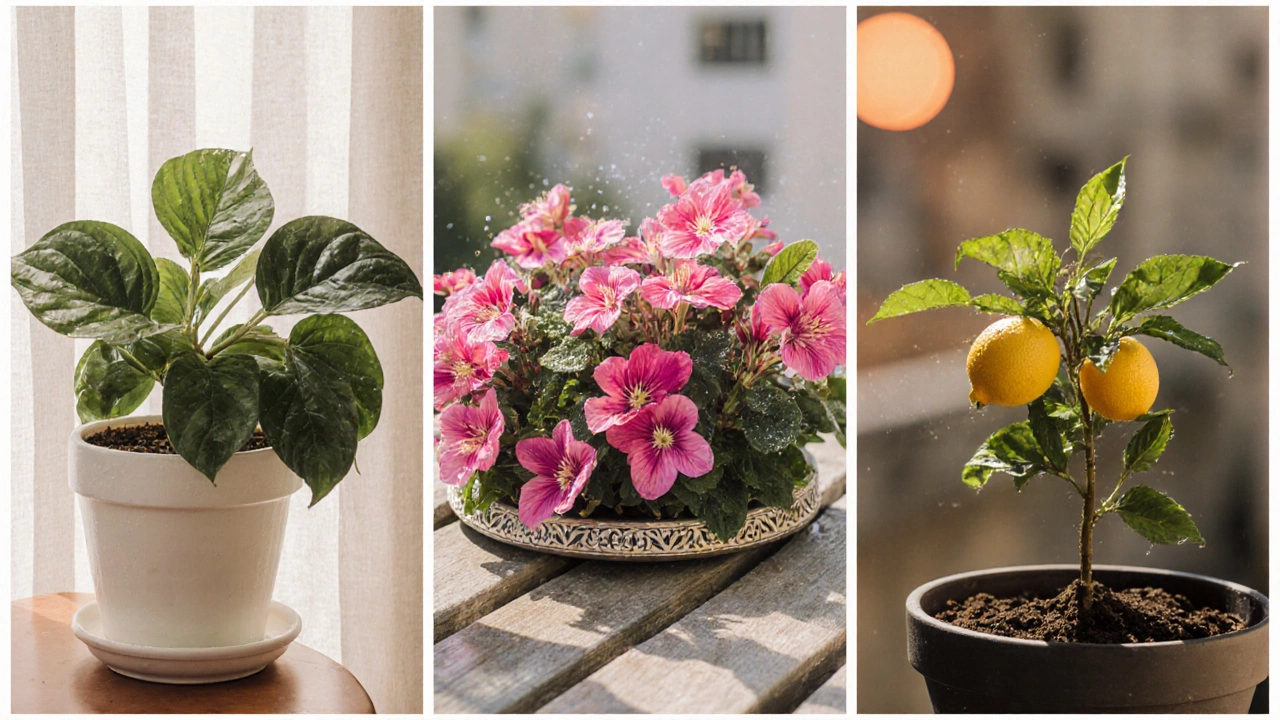
Find out which balcony plant needs the most care, why, and how to keep it thriving with watering, soil, light, and pest tips.
Continue reading...Getting your watering schedule, a timed plan for giving water to plants based on their needs and environmental conditions. Also known as plant hydration routine, it’s the difference between thriving plants and dead ones. Most gardeners in India water too much or too little because they follow a fixed routine—water every Monday, or every evening. But plants don’t care about your calendar. They care about soil moisture, the amount of water held in the soil, which determines if roots can absorb it, drip irrigation, a system that delivers water slowly and directly to plant roots, reducing waste, and the season. A watering schedule isn’t about timing—it’s about reading your garden.
Overwatering is the #1 killer of houseplants, bonsai, and even big trees in Indian backyards. Yellow leaves, mushy roots, and moldy soil? That’s not a sign of thirst—it’s drowning. Bonsai trees, Vanda orchids, and even tomatoes in pots all die from too much water, not too little. On the flip side, dry, cracked soil means your plant is stressed, even if it’s raining nearby. The key is checking the soil before you water. Stick your finger two inches down. If it’s damp, wait. If it’s dry, it’s time. This simple habit beats any app or timer. And if you’re using drip irrigation, a system that delivers water slowly and directly to plant roots, reducing waste, running it daily is a mistake. Most systems only need 2–3 times a week in summer, and once a week or less in winter. The goal isn’t to soak the soil—it’s to wet the root zone and let it dry out again. Plants need air around their roots, just like you need air to breathe.
Seasons change everything. Monsoon rains mean you turn off your irrigation. Summer heat means you water early morning, not at night. Clay soil holds water for days. Sandy soil drains fast. A balcony tomato plant in a small pot dries out in hours. A large tree in the ground might go weeks without water. Your watering schedule must change with the plant, the pot, the soil, and the weather. There’s no one-size-fits-all rule. The best schedule is the one you adjust every week based on what you see and feel. In the posts below, you’ll find real examples—how to fix a dying bonsai, how many emitters to use in a drip system, why soaker hoses beat drip lines in some cases, and how mulch cuts watering needs by half. No theory. No fluff. Just what works in Indian homes and gardens.
Find out which balcony plant needs the most care, why, and how to keep it thriving with watering, soil, light, and pest tips.
Continue reading...