Vegetable Market Impact Estimator
Select a scenario to see how events in major Indian vegetable hubs (like Hathras) could impact your garden and wallet.
You might think the vegetable capital of India is a lush, green farm somewhere in the hills or a massive greenhouse complex in Punjab. But if you look at where vegetables actually change hands and set prices for half the country, the answer points to a dusty, bustling town in Uttar Pradesh called Hathras.
Hathras isn’t just growing veggies; it’s trading them on a scale that dictates what you pay for your tomatoes and potatoes in Delhi, Mumbai, and even Kolkata. This distinction matters whether you are a home gardener trying to understand seasonal price drops or an aspiring agri-entrepreneur looking for supply chain insights. The story of Hathras reveals how geography, infrastructure, and sheer volume converge to create an agricultural powerhouse.
Why Hathras Holds the Title
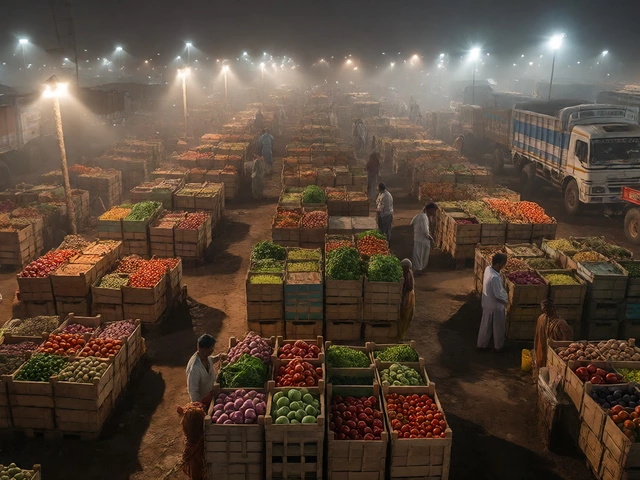
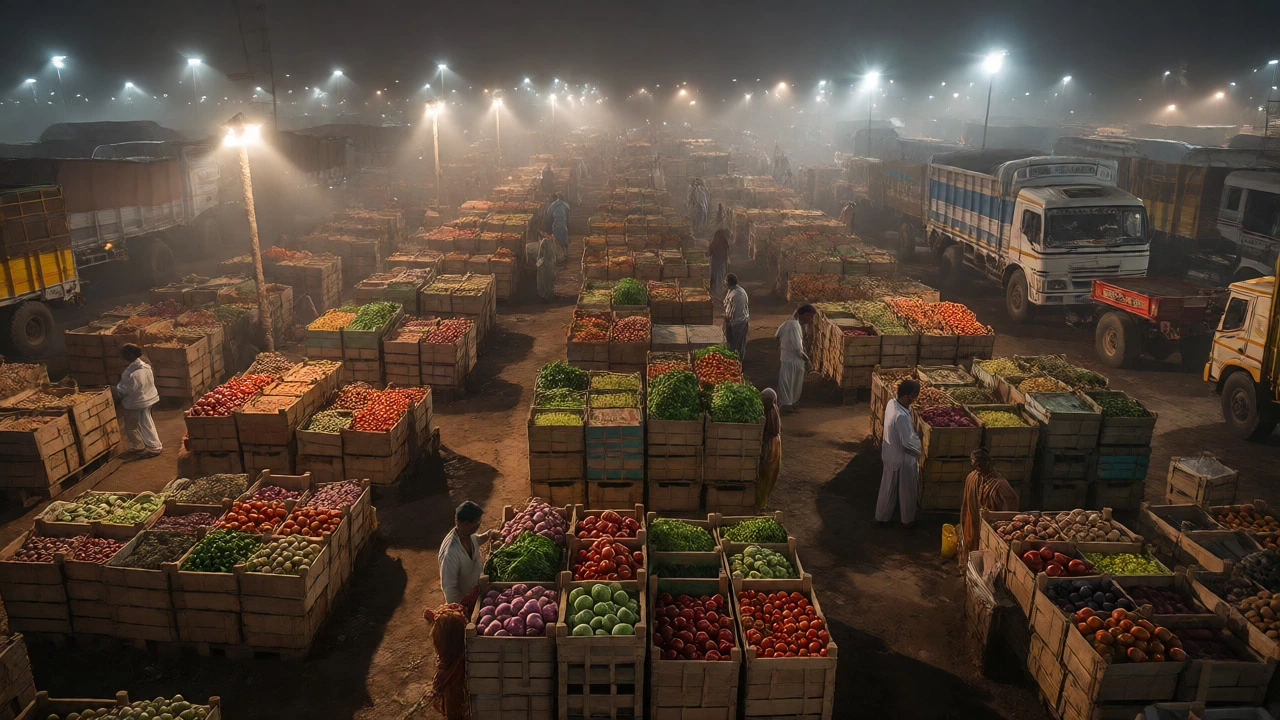
The designation of "vegetable capital" isn't an official government decree but a widely accepted industry consensus based on trade volume. Hathras, located in the Aligarh district of Uttar Pradesh, hosts one of Asia's largest mandis (wholesale markets). While other regions like Kolar in Karnataka or Nashik in Maharashtra produce high-quality specific crops, Hathras moves the highest tonnage of mixed vegetables.
What makes this location unique? It sits at a critical logistical crossroads. Just 140 kilometers from New Delhi, Hathras serves as the primary gateway for fresh produce entering the National Capital Region (NCR). If a farmer in West Bengal wants to sell their brinjal in Delhi, it likely passes through or competes with goods routed via Hathras. The proximity to major highways like NH-19 allows trucks to unload and redistribute within hours, keeping spoilage low and margins tight.
Unlike single-crop hubs, Hathras deals in diversity. On any given day, you will find crates of okra, cauliflower, cabbage, spinach, and gourds moving in synchronized chaos. This variety attracts buyers from across North and Central India, creating a liquidity pool that smaller markets cannot match.
The Scale of Trade and Economic Impact
To grasp the magnitude, consider the daily throughput. Reports from local agricultural departments and market committees suggest that Hathras handles thousands of metric tons of vegetables daily during peak seasons. During winter, when demand for leafy greens and root vegetables spikes in northern India, the market operates around the clock. Traders report turnover figures running into hundreds of crores annually.
This volume impacts your kitchen wallet directly. When Hathras floods with surplus onions due to a good harvest in nearby districts, onion prices crash nationwide. Conversely, if rains disrupt transport routes to Hathras, tomato prices in Bangalore can spike overnight because the national benchmark shifts. Understanding this dynamic helps gardeners know when to plant extra zucchini or when to preserve excess kale-timing your harvest to avoid market gluts or capitalize on shortages.
| Region | Primary Role | Key Crops | Market Reach |
|---|---|---|---|
| Hathras | Wholesale Distribution Hub | All-season mixed vegetables | Pan-India, especially NCR & North |
| Kolar, Karnataka | Production & Processing | Tomatoes, Potatoes, Flowers | South India, Export |
| Nashik, Maharashtra | Export Quality Produce | Grapes, Onions, Vegetables | Mumbai, International Markets |
| Solapur, Maharashtra | Processing Base | Onions, Sugarcane | Domestic Processing Units |
Infrastructure That Powers the Market
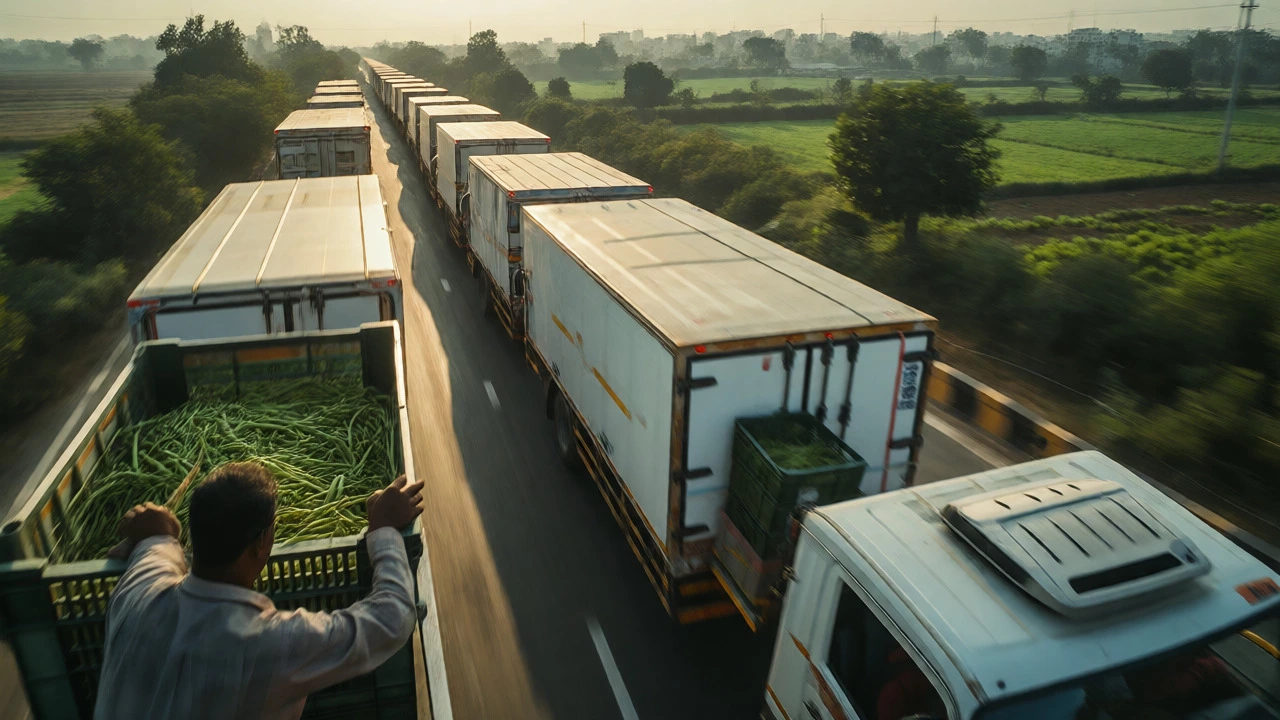
A market this size doesn't run on hope alone. It relies on cold storage chains, grading facilities, and digital auction platforms. Hathras has seen significant upgrades in recent years, including improved cold storage units that extend the shelf life of perishables like peas and French beans. Without these facilities, the waste percentage would be catastrophic.
Traders now use mobile apps to check real-time prices before loading trucks. This transparency reduces exploitation by middlemen. For a smallholder farmer, this means better bargaining power. For a city dweller, it means more consistent quality. The integration of e-NAM (National Agriculture Market) allows buyers in remote areas to bid on lots sitting in Hathras warehouses, further widening the net.
Transport logistics are equally vital. The availability of reefer containers (refrigerated trucks) ensures that delicate items like lettuce and herbs survive the journey from field to plate. In the past, only hardy vegetables like potatoes could travel long distances. Today, thanks to Hathras' logistics ecosystem, you can buy fresh coriander in Chennai that was harvested in UP just 48 hours prior.
How Home Gardeners Can Leverage This Knowledge
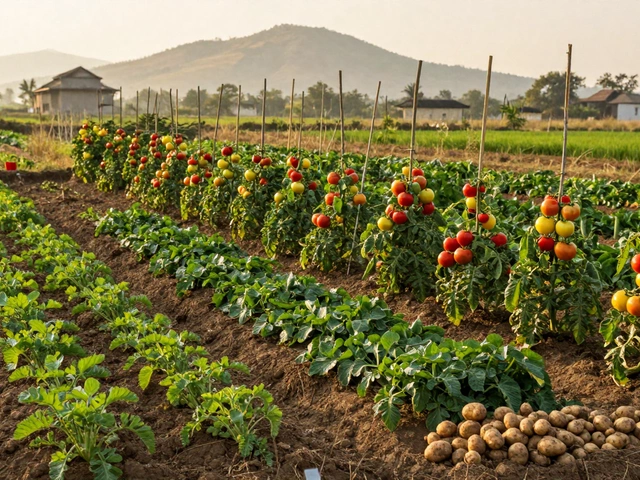
So, why should a balcony gardener care about a wholesale market in Uttar Pradesh? Because market trends dictate seed choices and planting schedules. If you notice Hathras reports indicating a shortage of capsicum due to unseasonal rain, you know prices will rise. If you have space, you might prioritize growing peppers over cucumbers next season.
- Track Seasonal Gluts: Monitor news about Hathras harvests. If there is a massive influx of pumpkins in October, don't try to sell yours at a premium; focus on consumption or preservation instead.
- Choose High-Demand Varieties: Data from major mandis shows consistent demand for specific varieties. For instance, hybrid tomato varieties that resist cracking fetch higher prices than traditional ones. Planting these can maximize yield value if you ever decide to sell surplus.
- Understand Price Volatility: Leafy greens are highly perishable. Their prices fluctuate wildly based on local weather near production hubs. Growing your own spinach insulates you from these swings.
Moreover, observing what sells well in large markets gives you ideas for niche crops. Baby corn, broccoli, and exotic mushrooms often command premium rates in urban centers because they are harder to source locally. If your local nursery stocks seeds for these, it’s because demand is rising, often driven by metro consumers who get used to seeing them in supermarkets supplied by hubs like Hathras.
Challenges Facing the Vegetable Capital
No system is perfect. Hathras faces severe challenges that could eventually shift its title. Climate change is the biggest threat. Erratic monsoons disrupt planting cycles across North India, leading to unpredictable supply shocks. Heatwaves also reduce the viability of heat-sensitive crops, forcing farmers to switch to hardier but less profitable varieties.
Another issue is post-harvest loss. Despite improvements, a significant percentage of vegetables still rot before reaching consumers due to handling inefficiencies. Crates are often stacked too high, crushing bottom layers. Lack of standardized packaging leads to bruising. Innovations in plastic crate usage and automated sorting lines are slowly addressing this, but adoption is slow among small traders.
Competition is also heating up. Newer integrated supply chains connect farms directly to retail giants, bypassing traditional mandis. Companies like Reliance Fresh or BigBasket are setting up their own sourcing networks, potentially reducing the dominance of open-market players. However, the sheer volume and flexibility of Hathras keep it relevant for now, serving the vast informal sector that formal retailers struggle to capture.
Future Outlook for Indian Vegetable Trade
The future of India's vegetable capital lies in digitization and sustainability. We are seeing more traceability tags, allowing consumers to scan a QR code and see exactly which village grew their carrots. This builds trust and justifies premium pricing. Additionally, organic farming initiatives are gaining traction in the Hathras belt, catering to health-conscious urbanites willing to pay more for pesticide-free produce.
For gardeners, this trend suggests a move towards chemical-free practices. As the market rewards cleanliness, home growers using compost and natural pest control methods align perfectly with emerging consumer preferences. You aren't just growing food; you're participating in a broader shift toward sustainable agriculture.
While Hathras holds the crown today, regional hubs are strengthening. South India’s Kolar continues to dominate export-grade vegetables, while Northeast India is developing specialized niches. But for pure volume and distribution reach, Hathras remains unmatched. Its ability to absorb shocks, adapt to new technologies, and serve diverse tastes keeps it firmly planted as the heart of India's vegetable economy.
Which state is the largest producer of vegetables in India?
Uttar Pradesh is consistently the largest producer of vegetables in India by volume, followed closely by West Bengal and Bihar. However, production volume does not always equate to market dominance. While UP grows the most, its produce flows through various mandis, with Hathras being a key aggregation point for redistribution.
Is Hathras known for any specific vegetable?
While Hathras trades all types of vegetables, it is particularly famous for its potato and onion trade. These two staples form a significant portion of the daily turnover. The region also sees heavy trading of seasonal vegetables like cauliflower, cabbage, and radish during winter months.
How does the vegetable market affect home gardening costs?
Market trends influence seed prices and fertilizer availability. When vegetable prices are high due to poor harvests reported in major hubs like Hathras, nurseries may raise seed prices due to increased demand from commercial farmers. Conversely, during glut periods, seeds for those specific crops might be discounted as farmers cut back on planting.
Can I visit the Hathras vegetable market?
Yes, the Hathras mandi is accessible to visitors. The best time to visit is early morning between 4 AM and 7 AM when the bulk of trading happens. Be prepared for heavy truck traffic and a chaotic environment. It offers a fascinating glimpse into the backbone of India's food supply chain.
What role does technology play in modern vegetable markets?
Technology plays a crucial role through platforms like e-NAM, which allow online bidding and transparent price discovery. Mobile apps provide real-time data on arrivals and departures of goods. Cold chain management systems using IoT sensors monitor temperature and humidity, reducing spoilage and ensuring fresher produce reaches consumers.