Composting: How to Build Rich Soil with Activators, Cardboard, and Organic Waste
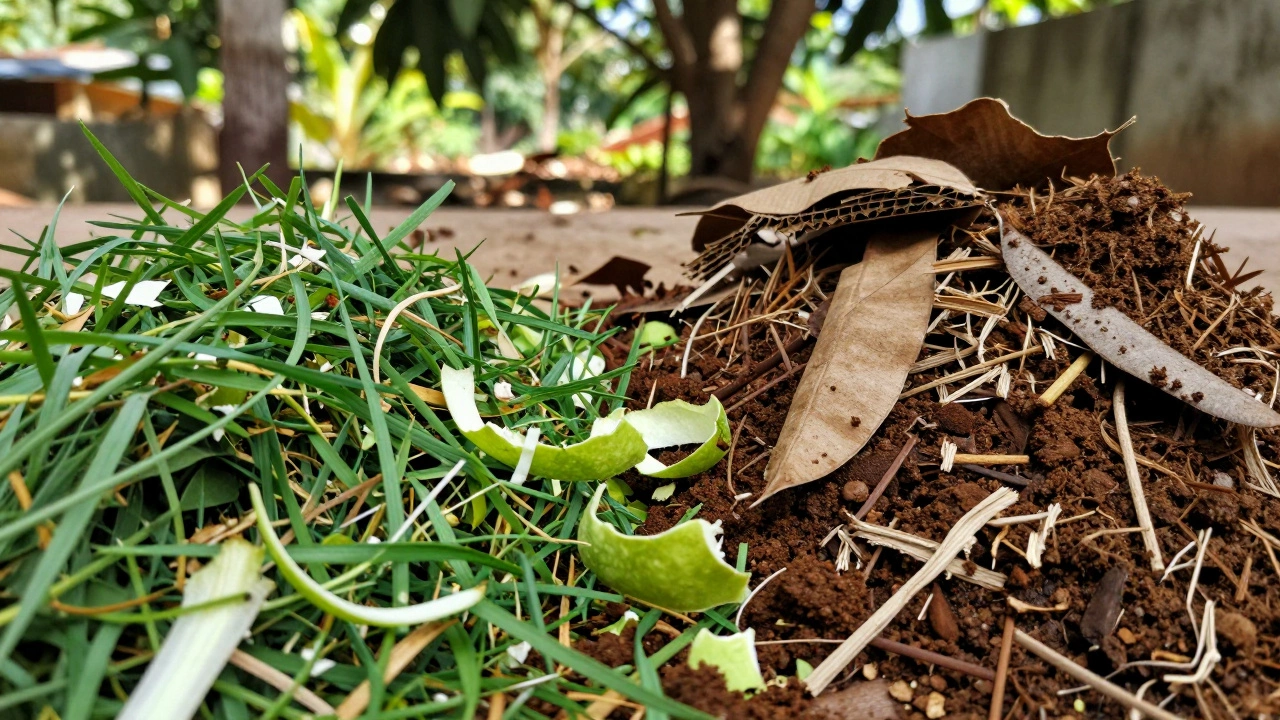
When you start composting, the natural process of breaking down organic matter into nutrient-rich soil. Also known as yard waste recycling, it turns food scraps, leaves, and paper into something your plants will love. You don’t need a big yard or fancy gear—just a pile, some patience, and the right mix of materials. Every banana peel, coffee ground, and torn-up cardboard box you add is a step toward healthier soil and less trash in landfills.
What makes composting work? It’s all about balance. You need carbon-rich materials like dry leaves and cardboard, a common household item that adds structure and absorbs moisture. Also known as brown matter, it keeps your pile from turning into a smelly mess. Then you add nitrogen-rich materials like veggie scraps and grass clippings—these are the fast food for microbes that break everything down. But here’s the catch: if your pile is too dry, too wet, or too one-sided, it won’t heat up. That’s where compost activator, a substance that boosts microbial activity to speed up decomposition. Also known as compost starter, it helps when your pile stalls or takes too long to break down. You don’t always need it, but when you do, it makes a real difference.
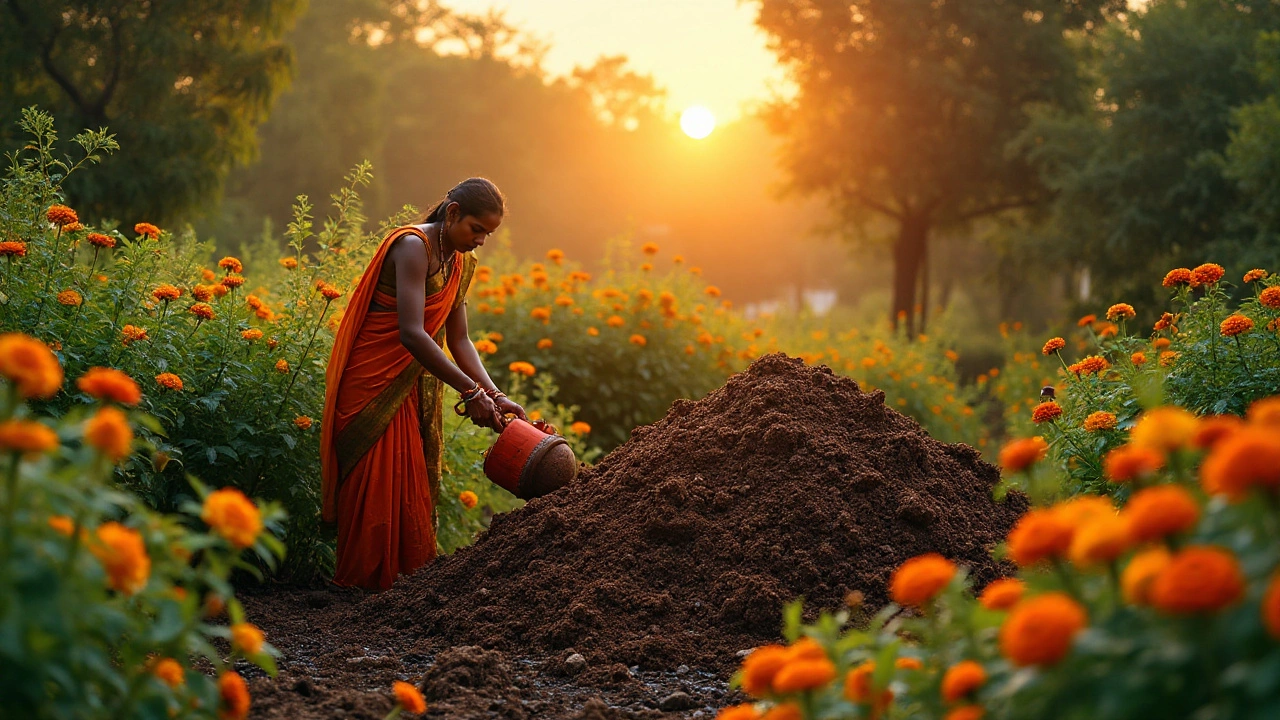
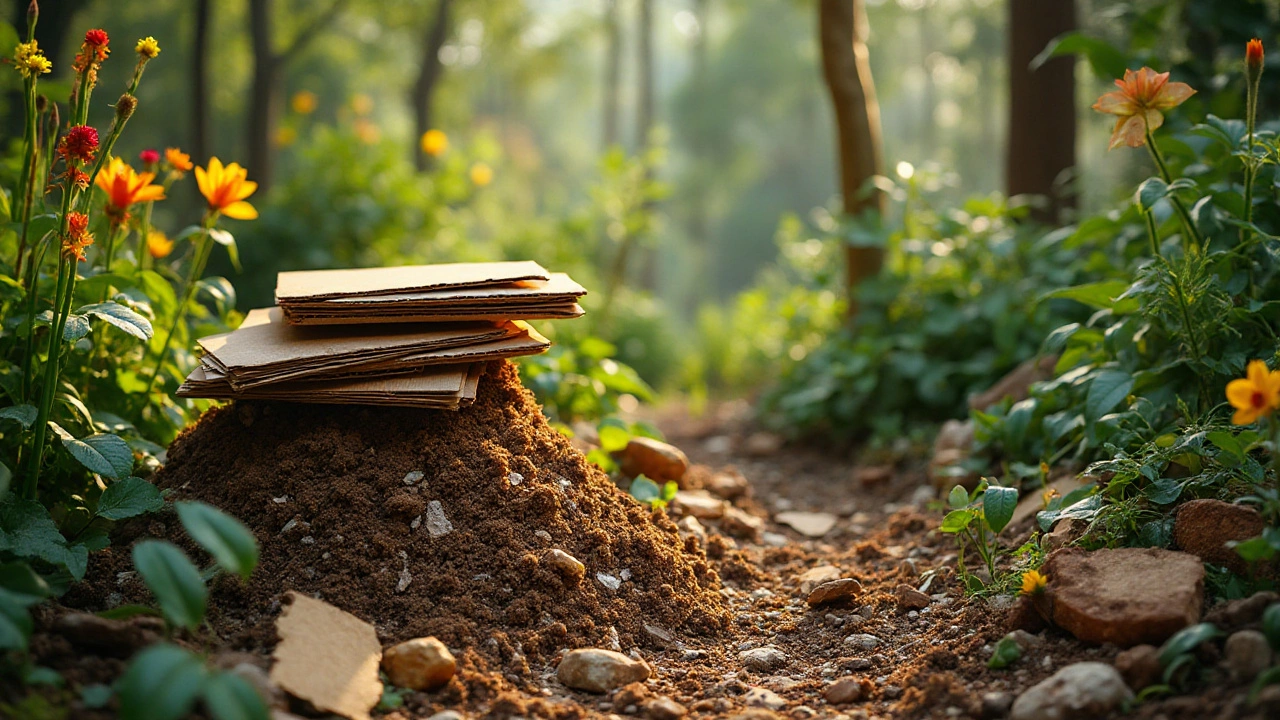
Cardboard isn’t just for shipping boxes—it’s a free, easy way to layer your compost and control moisture. Just rip it up, soak it a bit, and mix it in. No glossy coatings, no tape. And compost activators? They’re not magic, but they’re like a jump-start for your pile. Some people use manure, others use store-bought powders. Either way, they help microbes do their job faster. The result? Dark, crumbly soil in weeks instead of months. That’s soil that holds water, feeds roots, and keeps plants strong without chemicals.
Whether you’re tossing scraps in a bin on your balcony or building a three-pile system in your backyard, composting works. You don’t need to be perfect. A little cardboard here, a sprinkle of activator there—it all adds up. Below, you’ll find real tips from people who’ve done this themselves: how to use cardboard safely, when to reach for an activator, and how to turn waste into something your garden will thank you for.
Discover the ideal compost mixture ratios for healthy soil. Learn how to balance greens and browns, avoid common mistakes, and troubleshoot issues. Get practical tips for successful composting at home.
Continue reading...
Compost and organic compost aren't the same. Learn how to tell them apart, why it matters for your garden, and how to choose the right one for growing safe, healthy food.
Continue reading...
A compost activator is a tool for speeding up the breakdown of organic matter in compost piles. It helps create an ideal environment for microorganisms, enhancing the composting process. Knowing how to use these activators can lead to more productive and nutrient-rich soil. This article delves into the benefits and usage tips of compost activators for sustainable gardening.
Continue reading...
Cardboard, a common household material, can be a valuable addition to composting if used correctly. It adds carbon, an essential component for a balanced compost pile, and can help improve moisture retention. However, not all cardboard is suited for composting, as certain coatings or inks can hinder the process. With proper precautions and methods, cardboard can play a significant role in building rich, nutrient-dense compost for your garden.
Continue reading...