Soil Amendment Calculator: Perlite vs. Styrofoam
Configuration
Results & Analysis
-- L
Amendment Needed
$--
Estimated Cost
Base Soil Needed: -- Liters
Configure inputs to see specific advice.
Material Comparison
| Feature | Perlite | Styrofoam (EPS) |
|---|---|---|
| Water Interaction | Absorbs & releases slowly | Hydrophobic (Repels water) |
| Durability | Lasts indefinitely | Breaks into microplastics |
| Safety | Inert, non-toxic | Safe if clean/white only |
| Best For | All plants, seedlings | Succulents, budget projects |
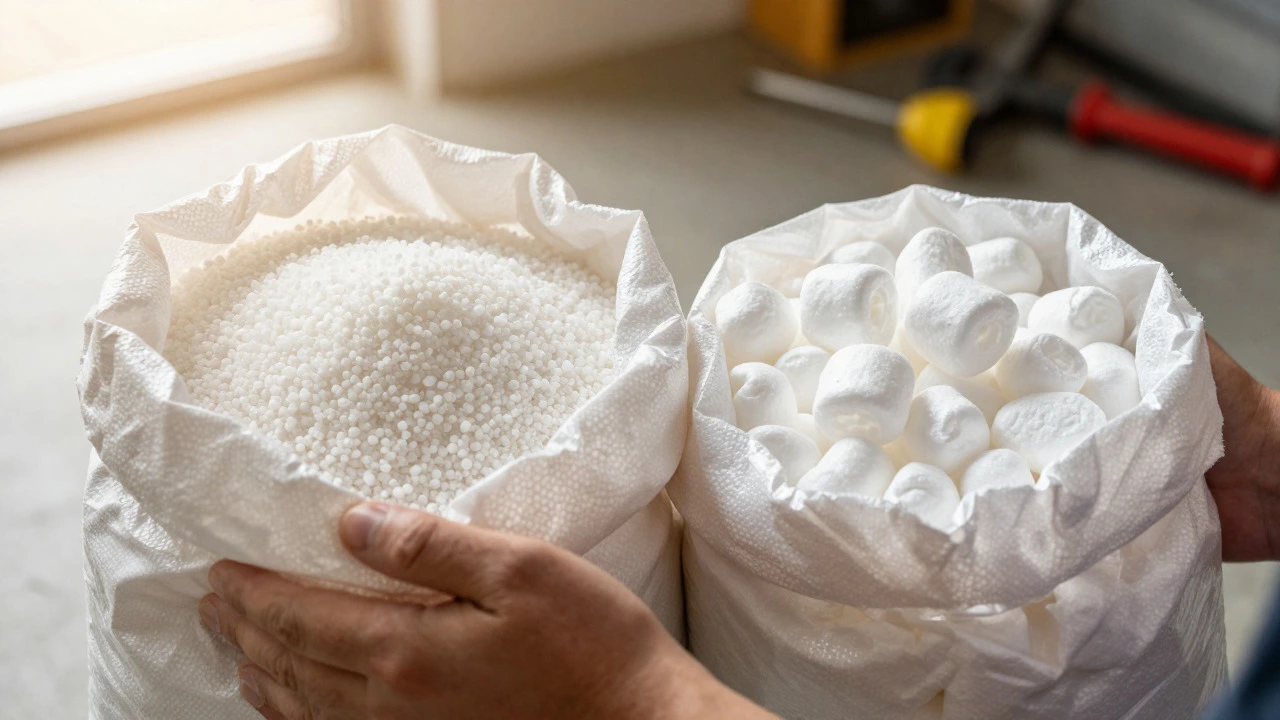
You’re standing in your garage, holding a bag of cheap expanded polystyrene beads (EPS) and a pricey sack of perlite is a volcanic glass that has been heated until it pops into lightweight, white granules used to improve soil drainage and aeration. It is widely used in horticulture because its porous structure holds air and water without compacting.. The price tag on the perlite makes you wince. The styrofoam is practically free. So, you ask yourself: can I just use the styrofoam instead? It looks similar. It’s light. It doesn’t rot. Why not?
The short answer is yes, you *can*, but there are catches. This isn't just about saving a few pounds; it's about understanding what happens to your plants' roots when they interact with plastic versus volcanic rock. Before you toss those packing peanuts into your rosemary pot, let’s look at the science, the safety, and the practical reality of using Styrofoam as a soil amendment.
What Actually Happens Inside Your Pot?
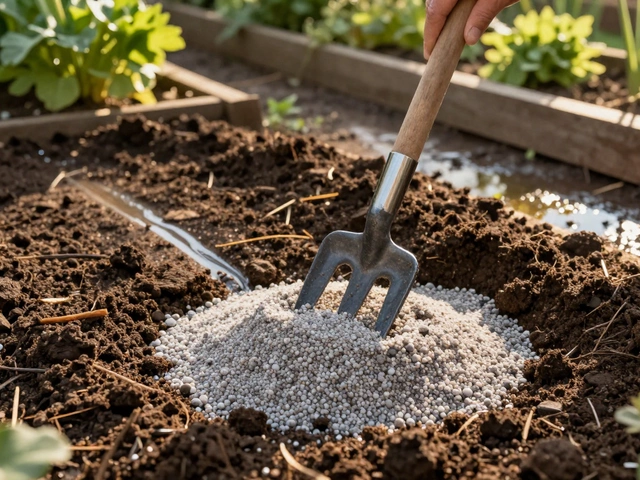
To understand why we use amendments like perlite or vermiculite, you have to think about root health. Roots need three things: oxygen, water, and space. Heavy garden soil suffocates roots by packing tightly together, leaving no room for air. That’s where amendments come in. They act as spacers, creating tiny pockets of air and preventing the soil from turning into concrete when it dries out.
Perlite is inert, sterile, and chemically neutral material that does not break down over time. When you mix it into soil, it stays exactly as it is. It provides permanent structural support for the soil matrix. Over years, organic matter in the soil decomposes and shrinks, but the perlite remains, keeping the soil loose and aerated.
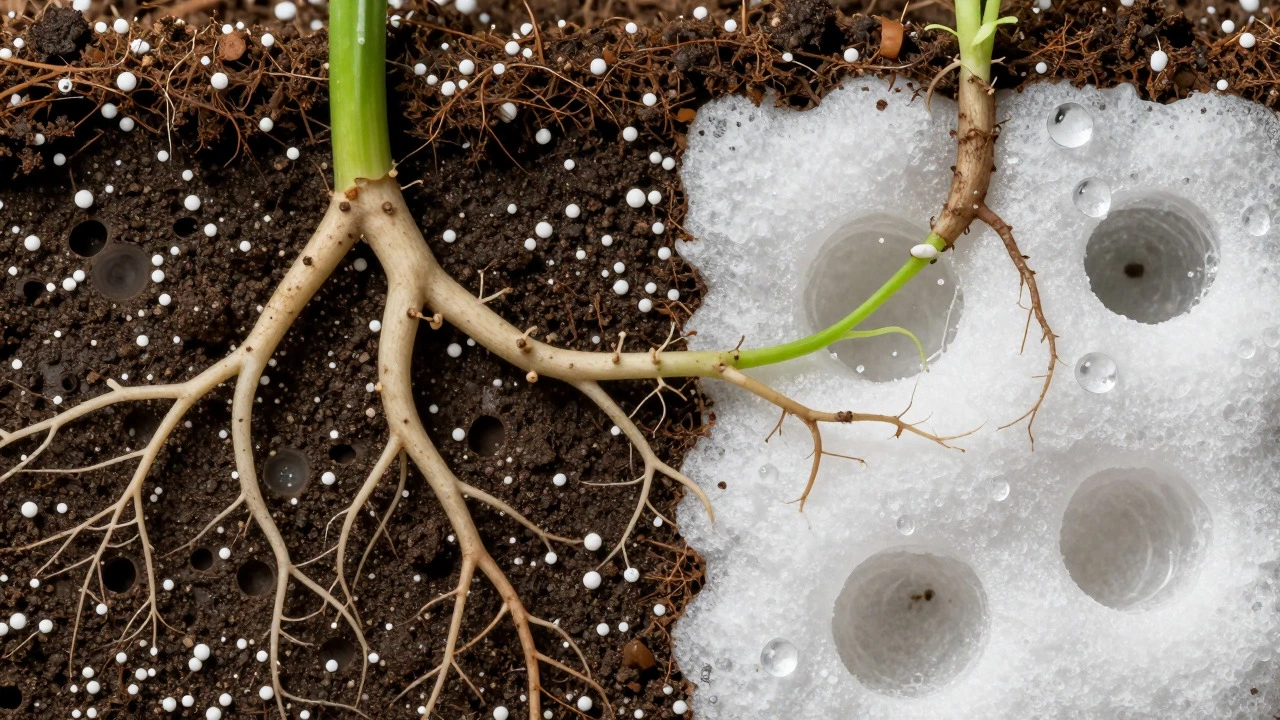
Now, look at Expanded Polystyrene (EPS), commonly known as Styrofoam. Technically, "Styrofoam" is a brand name for blue insulation boards, but most people use it to describe white packing peanuts or crushed foam blocks. Chemically, EPS is closed-cell foam. This means it traps air inside tiny bubbles. Unlike perlite, which is open-pored and absorbs some moisture, EPS is hydrophobic-it repels water. It floats. It does not hold nutrients. It simply takes up space.
| Feature | Perlite | Expanded Polystyrene (EPS) |
|---|---|---|
| Origin | Natural volcanic glass | Synthetic petroleum-based plastic |
| Water Interaction | Absorbs and releases moisture slowly | Hydrophobic (repels water), floats easily |
| Durability | Does not degrade; lasts indefinitely | Can break down into microplastics over decades |
| Chemical Safety | Inert and non-toxic | Generally safe if food-grade, but may contain additives |
| Cost | Moderate to high | Very low or free (recycled) |
| Dust/Hazards | Creates silica dust (wear a mask) | Static electricity attracts dirt; no dust |
The Safety Question: Is Styrofoam Toxic to Plants?
This is the biggest worry for most gardeners. You’ve heard horror stories about plastics leaching chemicals. The truth is more nuanced. Pure expanded polystyrene is made from styrene monomers. Once the foam expands and cools, the chemical bonds stabilize. Most studies suggest that clean, white EPS is relatively inert in soil conditions. It doesn’t release significant amounts of toxic substances under normal gardening temperatures.
However, not all foam is created equal. If you’re using colored foam, or foam that was used to pack electronics or industrial goods, it might contain flame retardants, dyes, or other additives. These could potentially leach into your soil. For edible plants-tomatoes, peppers, herbs-you want to be extra careful. Stick to plain white packing peanuts or clean foam scraps. Avoid anything that smells strong or looks discolored.
There’s also the issue of microplastics. While EPS doesn’t rot like wood chips, it does eventually fragment. Over many years, UV exposure and physical breakdown can turn large pieces into smaller bits. These microplastics persist in the environment. If you’re committed to sustainable gardening, this is a downside compared to perlite, which is natural and returns to the earth harmlessly if discarded.
How to Use Styrofoam Correctly in Soil
If you decide to go ahead with the substitution, technique matters. You can’t just dump a handful of whole packing peanuts into a pot. They’ll float to the top every time you water, creating a messy, ineffective layer. Here’s how to do it right:
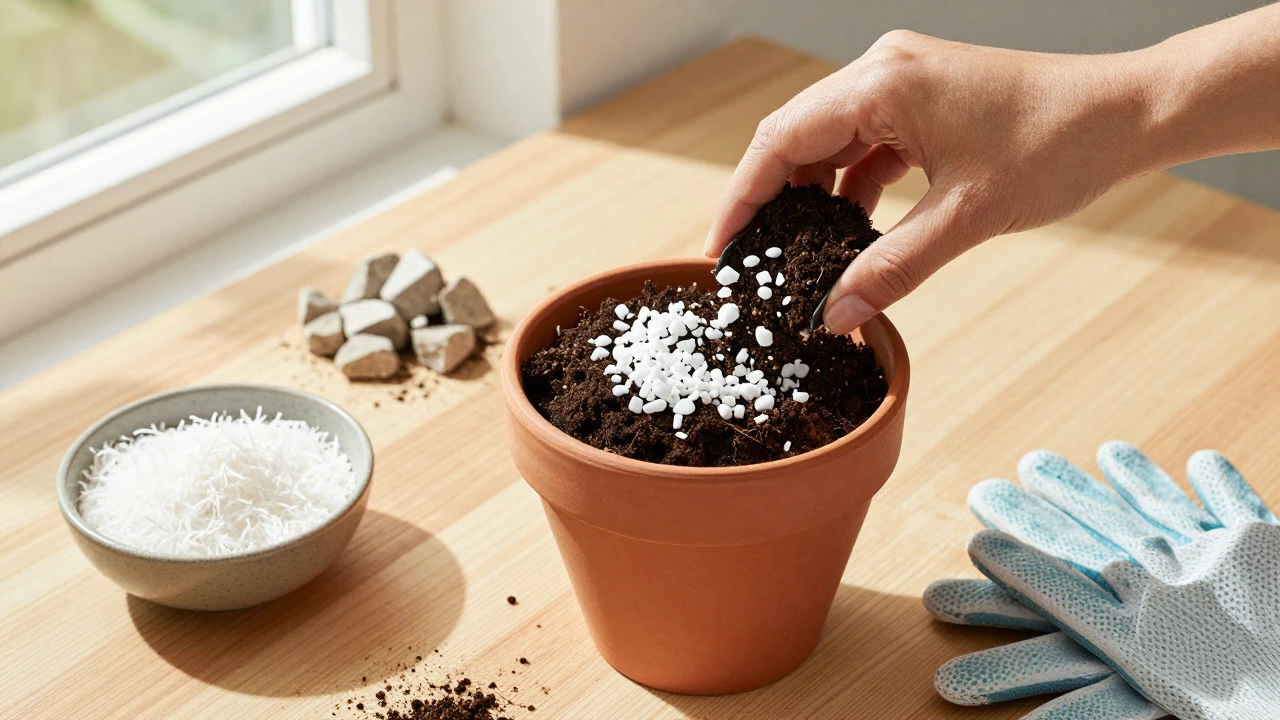
- Crush it thoroughly. Break the foam into small pieces, roughly the size of perlite granules (1-3mm). The smaller the pieces, the better they integrate with the soil. Large chunks create massive air pockets that dry out too quickly.
- Mix evenly. Combine the crushed EPS with your potting mix before planting. Aim for a ratio of about 10-20% foam to soil. Any more, and the soil won’t hold enough moisture for roots to access.
- Pre-wet the soil. Since EPS repels water, wet your base soil mix well before adding the foam. This helps ensure even hydration after planting.
- Use in well-draining mixes. This works best for succulents, cacti, orchids, or houseplants that prefer dry conditions. For moisture-loving plants like ferns or mosses, stick to perlite or coconut coir.
One pro tip: static electricity. Crushed foam gets very staticky. It will cling to your hands, your clothes, and your tools. Work outdoors or near a window, and consider wearing gloves. Some gardeners spray the foam lightly with water to reduce static, but remember-it still repels water overall.
When Should You Stick With Perlite?
Despite the cost savings, perlite has advantages that make it worth buying in certain situations. First, consistency. Perlite is manufactured to specific sizes and densities. You know exactly what you’re getting. Recycled foam varies wildly in density and cleanliness. Second, hygiene. Perlite is sterilized during production. Foam collected from recycling bins or garages may carry mold spores, bacteria, or pests. Always inspect your foam closely.
Third, long-term stability. Perlite doesn’t change. Foam can compress slightly over time, especially under heavy pots. If you’re growing large trees or heavy-rooted perennials in containers, perlite provides more reliable structural integrity. Finally, resale value. If you ever sell your home or give away your plants, pots filled with visible white perlite look professional. Pots with grayish, dirty-looking foam fragments might raise eyebrows.
Better Alternatives If Budget Is Tight
If perlite is too expensive and you’re wary of plastic, consider these cheaper, eco-friendly alternatives:
- Coconut Coir Chunks: Made from coconut husks, these provide excellent aeration and retain moisture better than perlite. They’re renewable and biodegradable.
- Pumice: Similar to perlite but heavier and less dusty. It’s a natural volcanic rock that breaks down very slowly.
- Crushed Eggshells: Not a direct replacement for aeration, but they add calcium and help prevent compaction in small doses. Grind them finely first.
- River Sand: Clean, coarse sand can improve drainage, but only in small amounts (under 10%). Too much sand creates a cement-like texture when mixed with clay soils.
Final Thoughts on Your Soil Strategy
Using Styrofoam instead of perlite is a viable hack for budget-conscious gardeners, especially for non-edible plants or temporary setups. Just crush it well, avoid colored or treated foams, and don’t expect it to behave exactly like perlite. It won’t hold moisture, it floats, and it’s plastic. But for improving drainage in a potted fern or a balcony herb garden, it works surprisingly well.
Remember, the goal is healthy roots. Whether you choose volcanic glass, recycled plastic, or coconut fiber, focus on creating a loose, airy medium that lets your plants breathe. Your wallet and your plants can both win if you choose wisely.
Is Styrofoam safe for vegetable gardens?
Plain white expanded polystyrene (EPS) is generally considered safe for vegetable gardens if it is clean and free of additives. However, because it is a synthetic plastic that breaks down into microplastics over time, many organic gardeners prefer natural alternatives like perlite or coconut coir. Always use food-grade or clean packaging foam, avoiding colored or treated varieties.
How much Styrofoam should I mix into my soil?
Aim for 10% to 20% by volume. For example, if you have a 10-liter pot of soil, add 1 to 2 liters of crushed foam. More than 20% can make the soil too dry and unstable, causing roots to struggle to anchor and absorb moisture.
Does Styrofoam break down in soil?
Styrofoam (EPS) does not biodegrade like organic matter. It persists in the environment for hundreds of years. Over time, it may fragment into smaller pieces due to physical wear and UV exposure, contributing to microplastic pollution. Perlite, being volcanic glass, is inert and does not break down either, but it is a natural mineral.
Why does perlite float in water?
Perlite floats initially because it is extremely lightweight and porous, trapping air inside its structure. Once it absorbs water, it becomes heavier and sinks. Styrofoam, however, is hydrophobic and closed-cell, so it repels water and continues to float indefinitely unless weighed down.
Can I use Styrofoam for seed starting?
It’s not recommended. Seedlings have delicate root systems that need consistent moisture and gentle support. Styrofoam’s hydrophobic nature can lead to uneven watering, and sharp edges from poorly crushed foam might damage tiny roots. Perlite or vermiculite are safer choices for seed starting mixes.
Is there a difference between Styrofoam and EPS?
Yes. "Styrofoam" is a trademarked brand name for blue extruded polystyrene (XPS) insulation boards. What most people call Styrofoam in gardening contexts is actually Expanded Polystyrene (EPS), which is white and bead-based. For soil amendments, you want EPS (packing peanuts, foam cups), not XPS insulation boards, which are denser and harder to crush.