Beginner Gardening: Simple Tips to Start Growing Plants Successfully
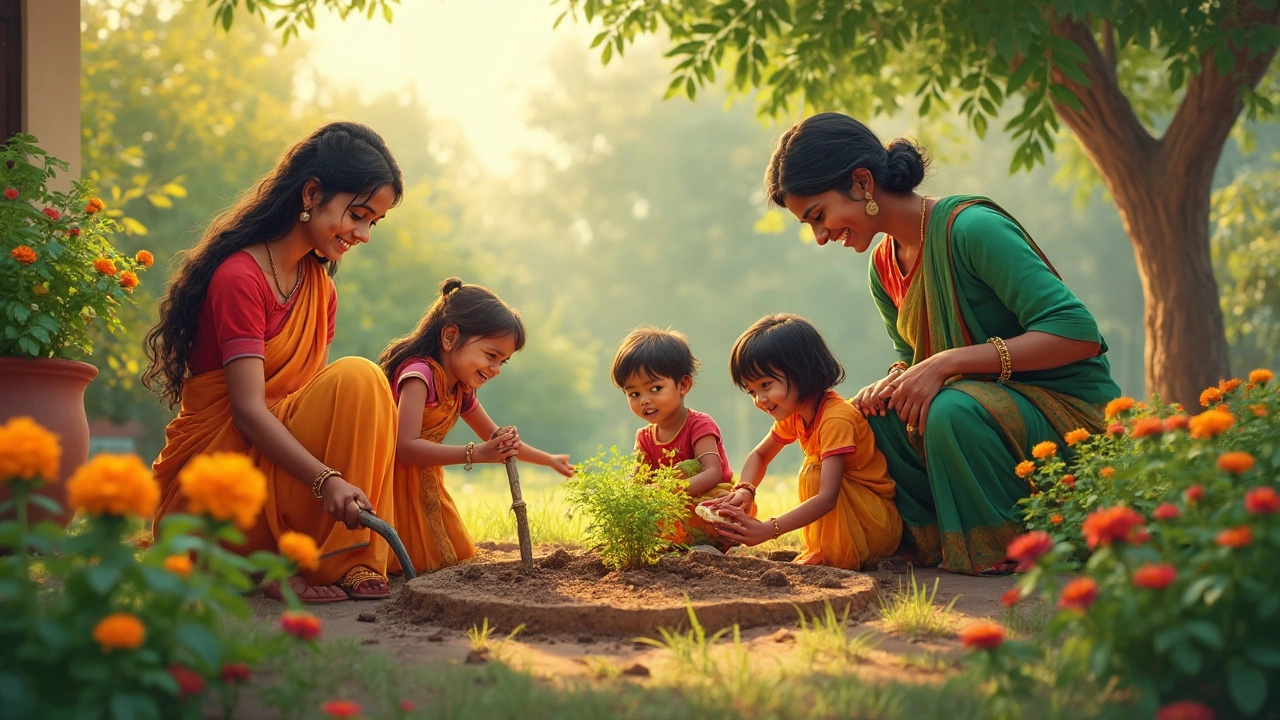
When you start beginner gardening, the first step in growing plants at home without feeling overwhelmed. Also known as home gardening, it’s not about having a green thumb—it’s about understanding basic needs: water, soil, light, and patience. Most people fail early because they treat plants like house decorations instead of living things with real needs. You don’t need fancy tools or expensive pots. You just need to learn what your plants actually require.
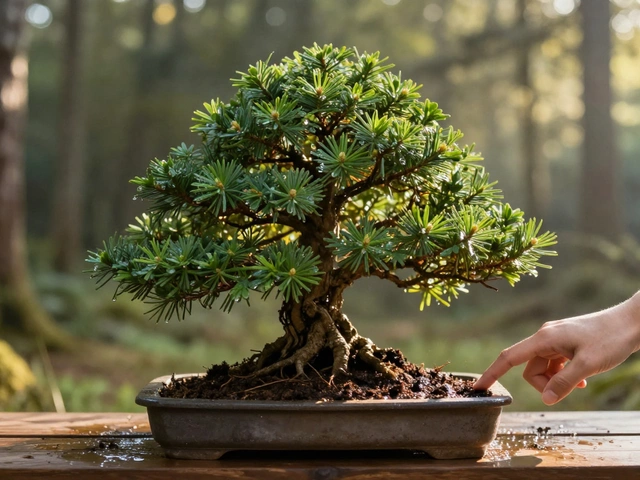
Garden soil, the foundation of every healthy plant. Also known as potting mix, it’s not just dirt—it’s a living system. Compacted, lifeless soil kills roots before they even start. The fix? Mix in compost, loosen it with a fork, and cover it with mulch. You don’t need to buy soil conditioners. Old kitchen scraps turned into compost do the job better and cheaper. This is the first real win for any beginner gardening project. Then there’s watering. Many beginners think more water = better growth. That’s wrong. Overwatering is the #1 killer of indoor and balcony plants in India. A bonsai with yellow leaves? A tomato plant wilting even after watering? These aren’t signs of thirst—they’re signs of drowning. Learn to check soil moisture with your finger. If it’s damp an inch down, wait. If it’s dry, water slowly. Drip irrigation can help, but only if you set it right. Running it daily? That’s a mistake most beginners make.
Natural insecticide, a safe way to stop pests without poisoning your plants or pets. Also known as organic pest control, neem oil is the most reliable option for Indian gardens. It stops aphids, mites, and whiteflies without harming bees or soil microbes. You don’t need chemical sprays. A simple mix of neem oil and water, sprayed in the evening, works better than store-bought poisons. And when your plants start growing, you’ll want to feed them. Homemade fertilizer isn’t hard. Banana peels, eggshells, and coffee grounds—things you throw away—are gold for your garden. You don’t need to buy bags of chemicals. Composting, turning waste into plant food. Also known as kitchen waste recycling, it’s the quiet superpower behind every thriving garden.
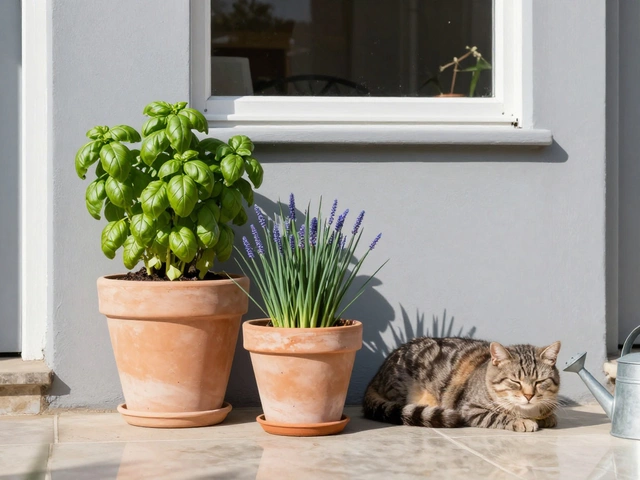
What you’ll find below isn’t theory. It’s real advice from people who’ve tried and failed, then figured it out. You’ll learn why drip irrigation isn’t always the answer, how to fix hard soil without buying tools, what plant is actually the toughest to grow in India’s heat, and which natural spray stops pests dead. No fluff. No jargon. Just clear, step-by-step fixes for the problems you’re facing right now. Whether you’re growing herbs on a balcony, veggies on a terrace, or just trying to keep a single plant alive—this collection is built for you.
Starting a vegetable garden in your backyard is easier than most people think. With the right tools and a bit of planning, you can grow your own fresh produce and enjoy better-tasting meals. This article lays out easy steps to get started, from choosing a spot to picking the first plants and using the right tools. Simple tips and practical advice ensure anyone can follow along, even if you've never gardened before. Save money, eat healthier, and discover a new hobby right outside your kitchen door.