Bugs Smell: Why Insects Emit Odors and How to Handle Them Naturally
When you notice a weird odor in your garden, it’s often not the soil or the rain—it’s bugs smell, the chemical signals insects release to communicate, warn, or attract mates. Also known as insect pheromones, these odors are part of how pests survive—and how they ruin your plants. Some bugs smell bad to deter predators. Others smell sweet to lure mates. And a few, like stink bugs, release foul chemicals when scared. If you’ve ever crushed a bug and regretted it, you’ve felt their defense system firsthand.
These smells aren’t just gross—they’re clues. A strong, bitter odor near your tomato plants? That’s often a sign of aphids or whiteflies. A sweet, fermented stench around fruit trees? That’s fruit flies or vinegar flies laying eggs. These odors tell you something’s off in your garden’s balance. The good news? You don’t need harsh chemicals to fix it. neem oil, a plant-based insecticide derived from the neem tree, disrupts insect feeding and reproduction without harming bees or pets is one of the most effective natural tools. It doesn’t mask the smell—it stops the bugs that make it. And unlike synthetic sprays, it breaks down safely in soil and won’t poison your compost or pets.
Other bugs, like ants, don’t smell much themselves—but they follow scent trails left by aphids. Those aphids secrete honeydew, a sugary substance that attracts ants. The ants protect the aphids from predators. It’s a weird partnership, but it’s common. If you see ants crawling up your plants, look closely—you’ll likely find aphids hiding underneath. Fix the aphids, and the ants leave. pest control, the practice of managing harmful insects without damaging the environment isn’t about killing everything. It’s about understanding the chain: smell → behavior → damage → solution.
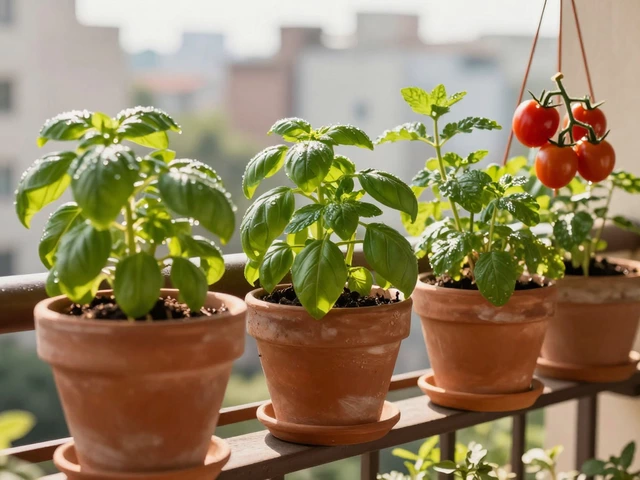
You can also use physical barriers, like row covers, to keep bugs away before they even start smelling up your garden. Mulching helps too—it keeps soil moist and reduces stress on plants, making them less attractive to pests. And don’t ignore plant diversity. Monocultures invite disaster. Mix herbs like basil and mint near veggies—they naturally repel bugs with their own smells. This isn’t magic. It’s ecology.
Some people think strong-smelling bugs mean your garden is failing. It doesn’t. It means you’re paying attention. The goal isn’t a bug-free garden—it’s a balanced one. A few bugs are normal. Too many? That’s your signal. Check your watering habits. Overwatered plants attract fungus gnats. Dry, dusty soil draws spider mites. Compacted soil weakens roots and makes plants easy targets. All of this connects back to bugs smell. It’s not just an odor. It’s a symptom.
Below, you’ll find real fixes from gardeners who’ve dealt with this exact problem. From how to use neem oil correctly to spotting early signs of infestation, these guides cut through the noise. No fluff. No guesswork. Just what works in Indian gardens—where heat, humidity, and pests all team up against you. You don’t need to be an expert. You just need to know what to look for—and what to do next.
Ever wondered what scent bugs avoid like the plague? This article digs into the most hated smells among bugs and reveals why these odors send them packing. You’ll get practical tips on using scents for keeping your home bug-free, with clear examples for every room or outdoor area. No chemical sprays or complicated gadgets—just straightforward ideas you can use right now. Perfect if you want a natural approach and have pets or kids around.
Continue reading...