Chicken Wire for Vegetables: Best Uses and Practical Tips for Gardeners
When you're growing vegetables, chicken wire for vegetables, a lightweight, galvanized steel mesh commonly used in gardening to protect plants from animals and pests. Also known as poultry netting, it's one of the most practical tools in small-space gardening because it’s cheap, easy to shape, and works where fences and nets fail. You don’t need fancy gear to keep rabbits, squirrels, or birds from eating your tomatoes, lettuce, or peas—just a roll of this mesh and a few hours of setup.
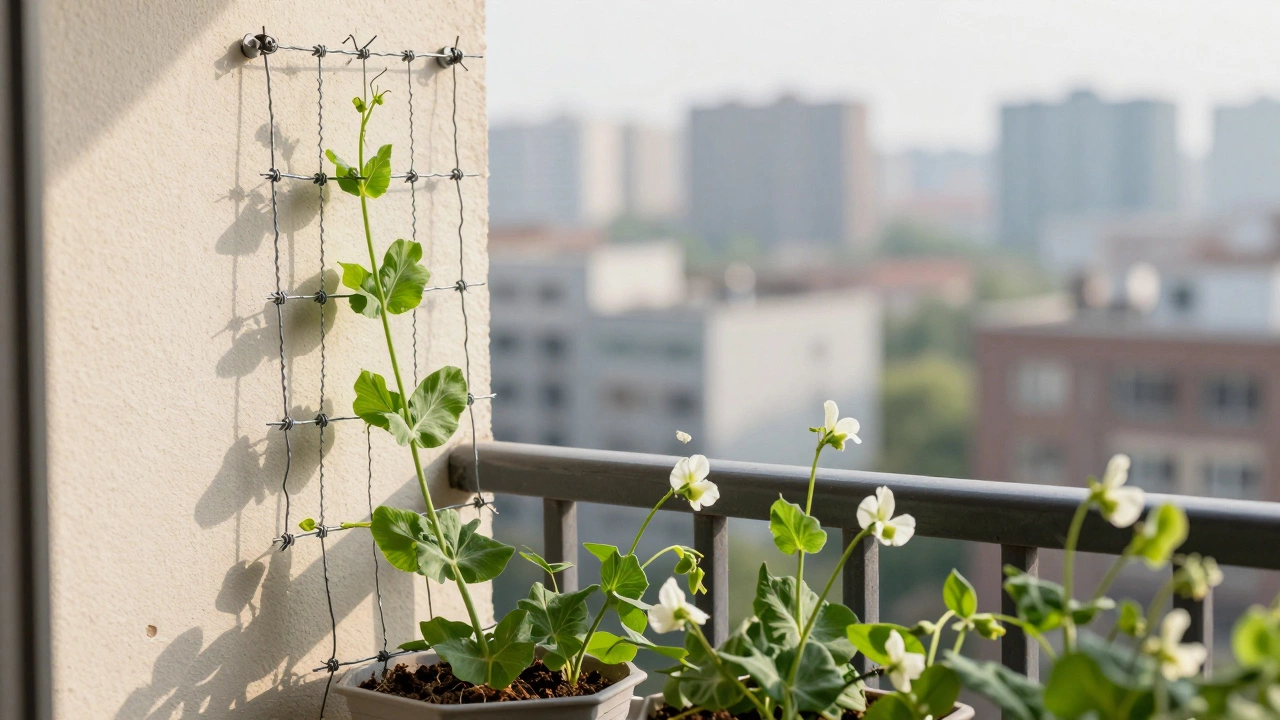
It’s not just about keeping animals out. chicken wire, a flexible, hexagonal mesh typically made of galvanized steel can also act as a trellis for climbing plants like peas, beans, and cucumbers. Tie it to stakes or frame it over raised beds, and you’ve got instant vertical support. Unlike plastic netting that snaps in wind or metal trellises that rust, chicken wire holds up through monsoons and dry spells alike—something Indian gardeners learn fast when growing in unpredictable climates.
And it’s not just for ground-level protection. raised garden beds, elevated planting containers that improve soil control and reduce bending often need extra defense. Burying the bottom edge of chicken wire a few inches into the soil stops burrowing pests like rats and moles before they reach your carrots or radishes. On balconies, where space is tight and pets roam, draping it over the top of planters keeps cats from digging and birds from snacking on seedlings.
People often think chicken wire is just a barrier—but it’s also a multiplier. Use it to create mini greenhouses by draping it over hoops and covering with old sheets in early spring. It holds shape better than bamboo sticks and doesn’t rot like wood. In places like Mumbai or Bangalore, where sudden downpours ruin delicate seedlings, this setup gives your plants breathing room while shielding them from heavy rain.
You’ll find in the posts below that many gardeners use chicken wire in ways they didn’t expect—like lining the inside of compost bins to keep out rats, or wrapping it around the base of fruit trees to stop ants from climbing. One gardener in Pune used it to build a vertical herb wall on her balcony, spacing the mesh just wide enough for pots to slot in. Another in Jaipur buried it under gravel paths to stop weeds from pushing through without chemicals.
It’s not perfect. Over time, the zinc coating wears off in humid coastal areas, and rust can stain soil if you use low-quality wire. But if you pick a 19-gauge or heavier mesh and avoid the cheapest imports, it lasts years. And unlike electric fences or chemical repellents, it doesn’t harm pollinators or pets. It just works—quietly, reliably, and without needing a power outlet.
What you’ll find here are real stories from Indian gardeners who’ve used chicken wire to fix problems they thought were unsolvable. Whether you’re growing in a 10x10 patio, a cramped balcony, or a backyard with wandering dogs, there’s a setup here that matches your space—and your struggles. No fluff. No theory. Just what actually keeps your veggies safe and growing.
Yes, chicken wire makes an excellent, low-cost trellis for balcony gardens. It's perfect for peas, beans, cucumbers, and small tomatoes. Learn how to install it safely and which plants work best.
Continue reading...