Drainage in Gardening: Why It Matters and How to Fix It
When your plants turn yellow, drop leaves, or just seem to give up—even when you water them less—it’s rarely about too little water. It’s usually about drainage, the process by which excess water moves through soil away from plant roots. Also known as soil percolation, good drainage is what keeps roots breathing, not drowning. In India’s humid climates and heavy clay soils, poor drainage is the silent killer of gardens. You might think you’re helping your plants by watering often, but if water sits around the roots, it rots them. Root rot doesn’t come with a warning sign. It just shows up as a dying plant.
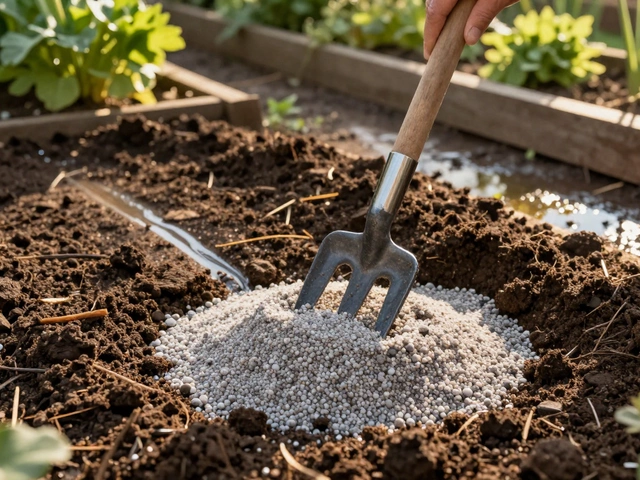
Good drainage, the natural movement of water through soil isn’t just about letting water flow out. It’s about creating space in the soil for air and water to move. That’s why fixing compacted soil, dense, hard-packed earth that blocks water and root growth is the first step. Compacted soil acts like a bathtub with no drain—water pools on top and suffocates roots. Adding compost, mulch, or coarse sand doesn’t just loosen the dirt—it rebuilds the soil’s structure so it can breathe again. And when you pair that with raised beds or proper slope, you’re not just improving drainage—you’re giving your plants a fighting chance.
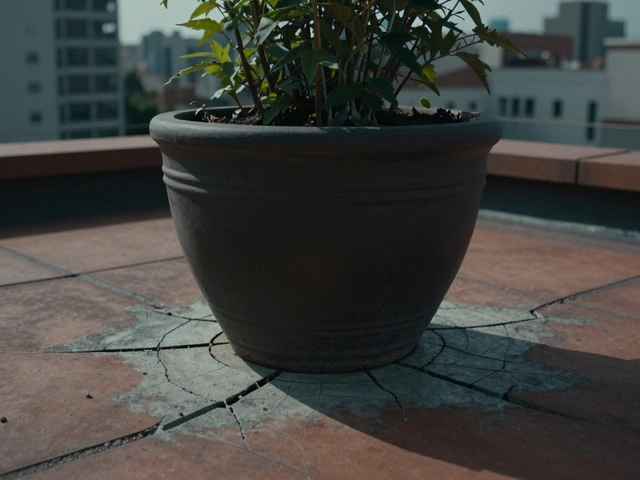
Many gardeners think drainage is only a problem in rainy seasons. But in cities, on balconies, or in pots, it’s a year-round issue. A pot with no hole? That’s a death trap. A terrace garden with no slope? Water collects, roots rot, and your plants die slowly. The fix isn’t always fancy. Sometimes it’s just drilling holes in containers, adding gravel at the bottom, or mixing in coco peat. Other times, it’s rethinking your whole layout—like using soaker hoses, a slow-release watering method that reduces runoff and improves water absorption instead of overhead sprinklers that flood the surface. And if your soil stays soggy even after all that? You might need to test it. A simple jar test—shake soil with water, let it settle—can tell you if you’ve got too much clay or silt. Most people skip this step. That’s why they keep making the same mistakes.
What you’ll find below isn’t theory. It’s real fixes from real gardens. From how to save an overwatered bonsai with mushy roots to how to turn a waterlogged balcony into a thriving veggie patch, every post here tackles drainage problems head-on. No fluff. No jargon. Just what works—right here, right now, in Indian conditions.
Improving clay soil drainage can pose a challenge for gardeners. While adding sand can seem like a straightforward solution, it doesn't always achieve the desired results. Learn how the combination of sand and clay can affect soil structure and explore alternative methods for enhancing clay soil drainage effectively. Discover practical tips that can transform a heavy clay yard into a thriving garden space. Equip yourself with knowledge to choose the best approach for your garden's needs.
Continue reading...