Flooded Fields: What Causes Them and How to Fix Them in Indian Gardens
When your garden turns into a swamp after monsoon rains, you’re dealing with flooded fields, areas where water pools instead of draining, drowning plant roots and killing soil life. Also known as waterlogged soil, this isn’t just a seasonal nuisance—it’s a silent killer of crops, home gardens, and even terrace plants. In India, where rainfall is intense but drainage systems are often missing, flooded fields show up in backyards, balconies, and small farms alike. The problem isn’t too much rain—it’s that the water has nowhere to go.
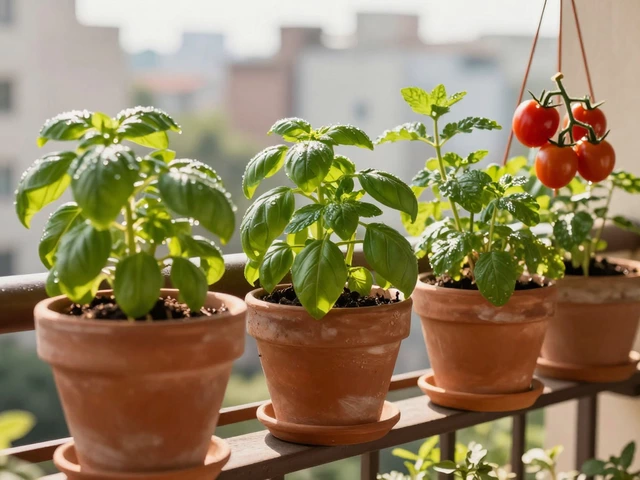
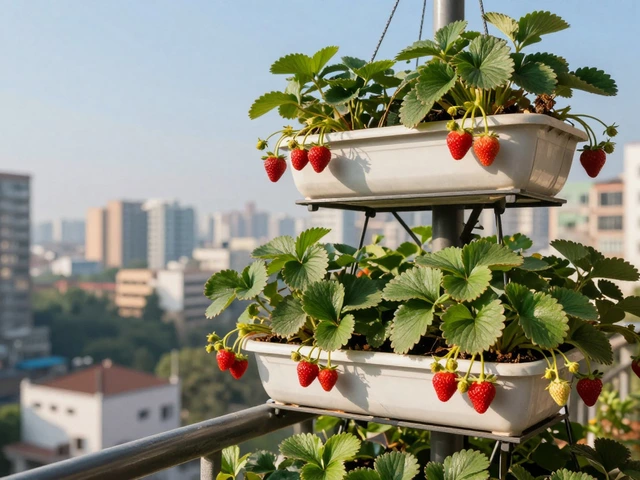
Soil that’s been compacted over years, packed down by foot traffic or heavy rains, can’t absorb water like it should. Add poor grading, concrete borders, or lack of organic matter, and you’ve got a recipe for standing water. Plants like tomatoes, peppers, or even hardy herbs start showing yellow leaves, stunted growth, or root rot—signs you’ll also see in overwatered bonsai or compacted soil. The fix isn’t more drainage pipes or expensive pumps. It’s understanding how water moves through your soil and working with nature, not against it. Soil drainage, the natural process of water moving through soil layers, is what you need to restore, not replace. This is why gardeners are turning to raised beds, elevated planting areas that let water flow away from roots, mixing in compost to open up tight soil, and using mulch to slow down surface runoff. Even small changes—like sloping your balcony floor slightly or adding gravel under pots—can stop water from pooling.
Flooded fields don’t just hurt plants—they waste water, invite pests, and ruin your time and effort. The good news? You don’t need a degree in agronomy to fix this. The posts below show real fixes from Indian gardeners: how to test your soil’s drainage in five minutes, what plants actually survive wet conditions, how to build a cheap rainwater diversion system using old buckets and pipes, and why ditching daily watering might be the best thing you ever do. You’ll also find out why drip irrigation, a system that delivers water slowly to plant roots isn’t always the answer when your ground is already soaked. These aren’t theory-heavy guides. They’re step-by-step fixes from people who’ve stood in muddy gardens and said, ‘Enough.’
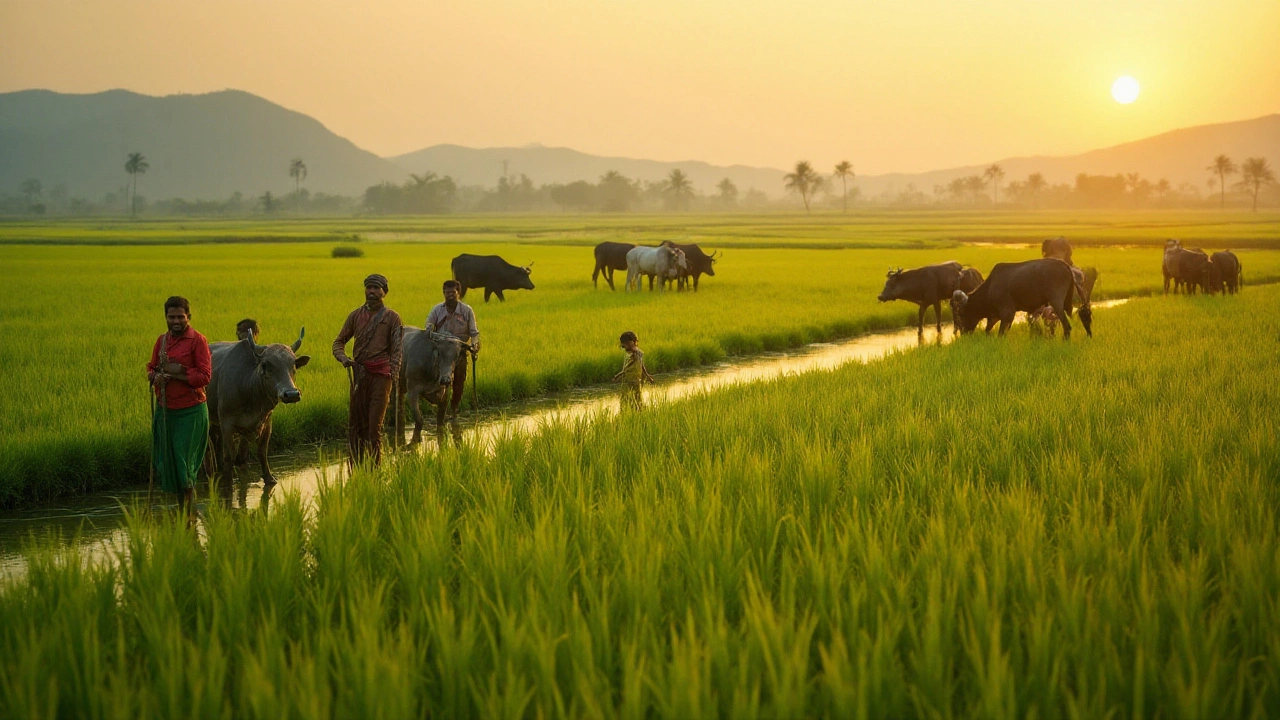
Flooding rice fields is a practice steeped in both scientific reasoning and cultural tradition. It serves as a unique environment that benefits rice growth by controlling weeds and pests, ensuring nutrient availability, and maintaining soil structure. This article explores the reasons and methods behind this distinctive agricultural practice. We delve into its ecological advantages, historical roots, and contemporary techniques.