Healthy Garden: How to Build and Maintain a Thriving Garden in India
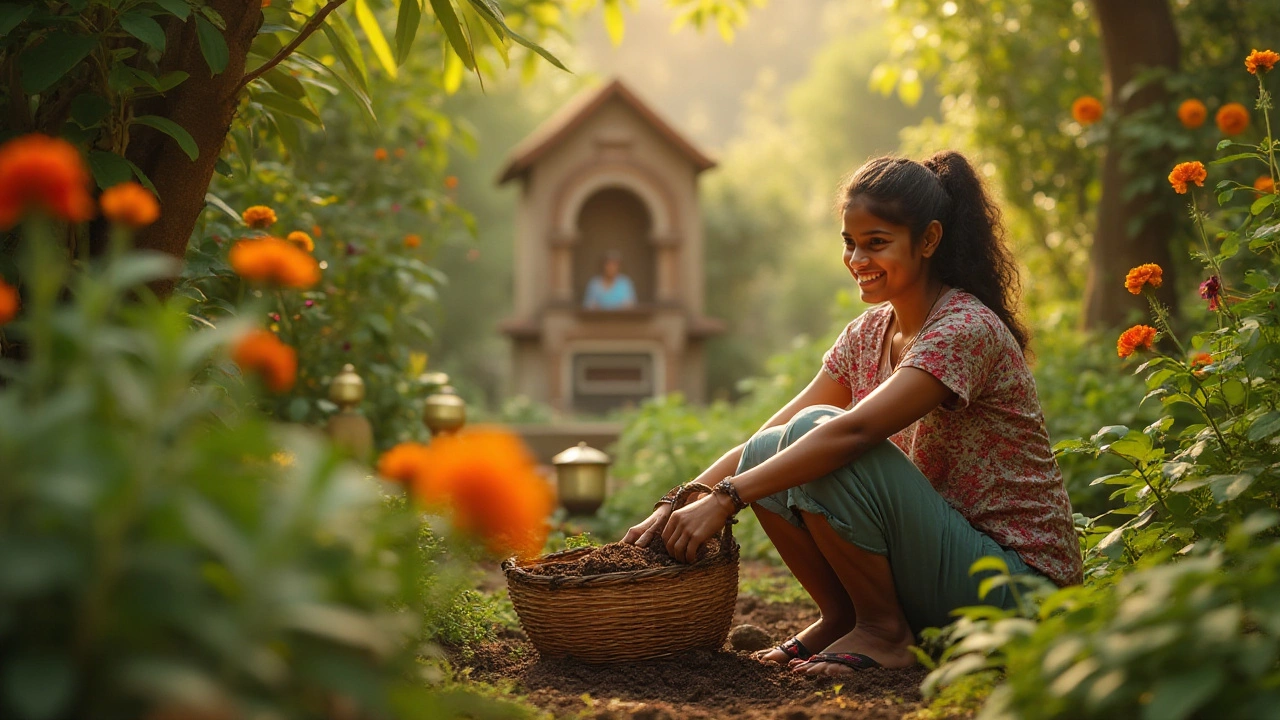
When you think of a healthy garden, a thriving ecosystem where plants grow strong without synthetic chemicals or constant intervention. Also known as a sustainable garden, it’s not about perfect leaves or endless blooms—it’s about balance. A healthy garden feeds itself, conserves water, and fights pests naturally. This is what every gardener in India should aim for, whether you’re growing tomatoes on a balcony or herbs on a rooftop.
A healthy garden, a thriving ecosystem where plants grow strong without synthetic chemicals or constant intervention. Also known as a sustainable garden, it’s not about perfect leaves or endless blooms—it’s about balance. A healthy garden feeds itself, conserves water, and fights pests naturally. This is what every gardener in India should aim for, whether you’re growing tomatoes on a balcony or herbs on a rooftop.
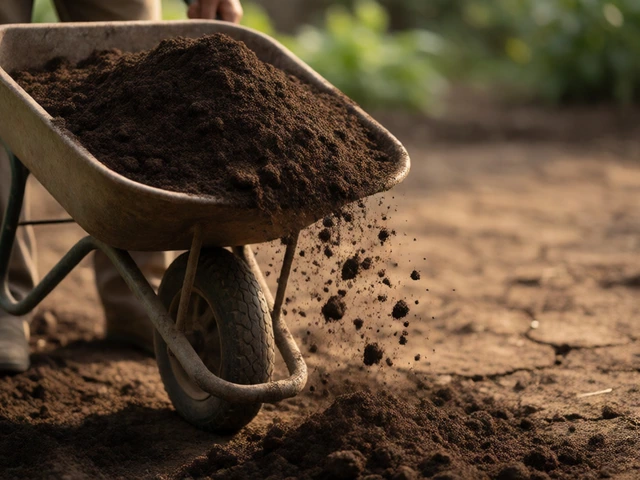
It starts with the soil, the living foundation of every garden that holds nutrients, water, and microbes essential for plant roots. In India, where clay and sand often dominate, compacted soil is the silent killer. Most people water too much, assume fertilizer fixes everything, and never check what’s happening underground. But fixing soil doesn’t need fancy tools—just compost, mulch, and a little patience. You don’t need to buy expensive products. Your kitchen scraps, dry leaves, and coffee grounds can rebuild soil life over time.
Then there’s water. A drip irrigation, a system that delivers water slowly and directly to plant roots, minimizing waste and evaporation. Also known as a targeted watering system, it’s not a magic fix. Running it every day? That’s how you drown roots. The best systems adjust for season, weather, and plant type. Many gardeners don’t realize that mulching, a layer of organic material spread over soil to retain moisture, suppress weeds, and cool roots. Also known as a soil blanket, it cuts water use by half—and it’s free if you use leaves or grass clippings.
And pests? You don’t need chemicals. neem oil, a natural extract from the neem tree that disrupts insect feeding and reproduction without harming bees or pets. Also known as a botanical insecticide, it’s been used in Indian farms for centuries. It’s not just safe—it’s more effective than many synthetic sprays. Most gardeners skip it because they don’t know how to use it right. Apply it at dusk, cover both sides of leaves, and repeat every 7–10 days. That’s it.
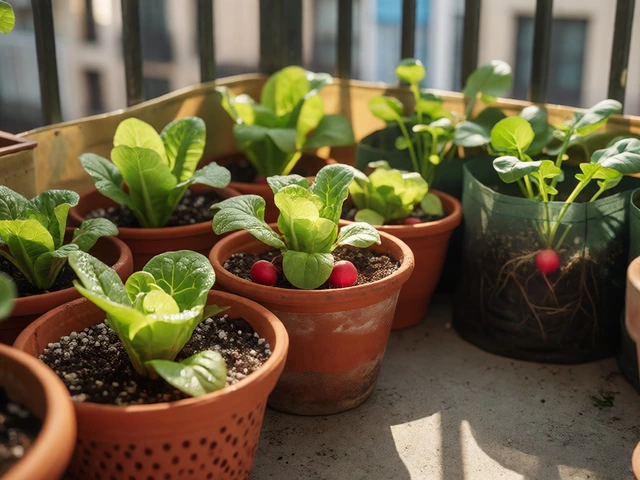
What about the plants themselves? A healthy garden doesn’t need rare or high-maintenance species. It needs the right plant in the right spot. That’s why Vanda orchids fail—they need humidity and airflow most people don’t provide. That’s why bonsais die from overwatering. That’s why durian growers succeed—they match the plant’s needs to India’s climate. You don’t need to chase exotic plants. Start with what thrives naturally. Grow vegetables that love your balcony. Plant flowers that bloom in monsoon. Let your garden work with the seasons, not against them.
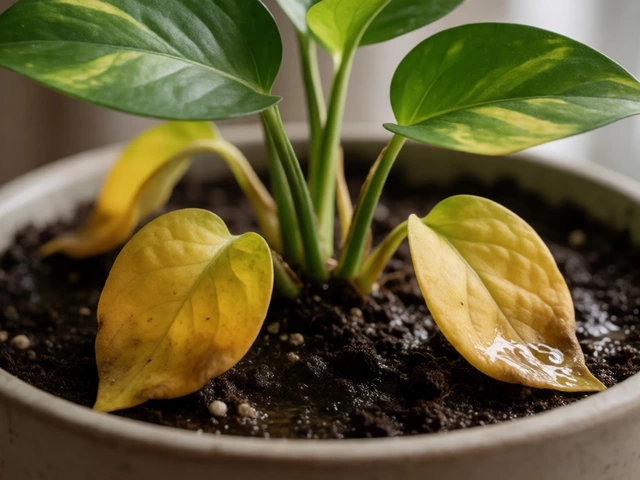
And the biggest secret? A healthy garden doesn’t need you to do much. It needs you to stop doing the wrong things. Stop watering daily. Stop buying chemical sprays. Stop assuming more fertilizer equals more growth. Start checking soil moisture with your fingers. Start composting scraps. Start letting nature help. The posts below show you exactly how—step by step, mistake by mistake, fix by fix. No fluff. No theory. Just what works in Indian gardens today.
Reviving aging garden soil is essential for maintaining a healthy garden. This guide explores practical strategies to restore soil fertility, emphasizing sustainable and organic methods. From composting and crop rotation to testing soil health and incorporating green manure, discover essential techniques to breathe new life into your garden soil. With these tips, nurturing vibrant and flourishing plants becomes achievable, creating a rewarding gardening experience.
Continue reading...