Indian Gardens: What Works, What Fails, and How to Grow Better
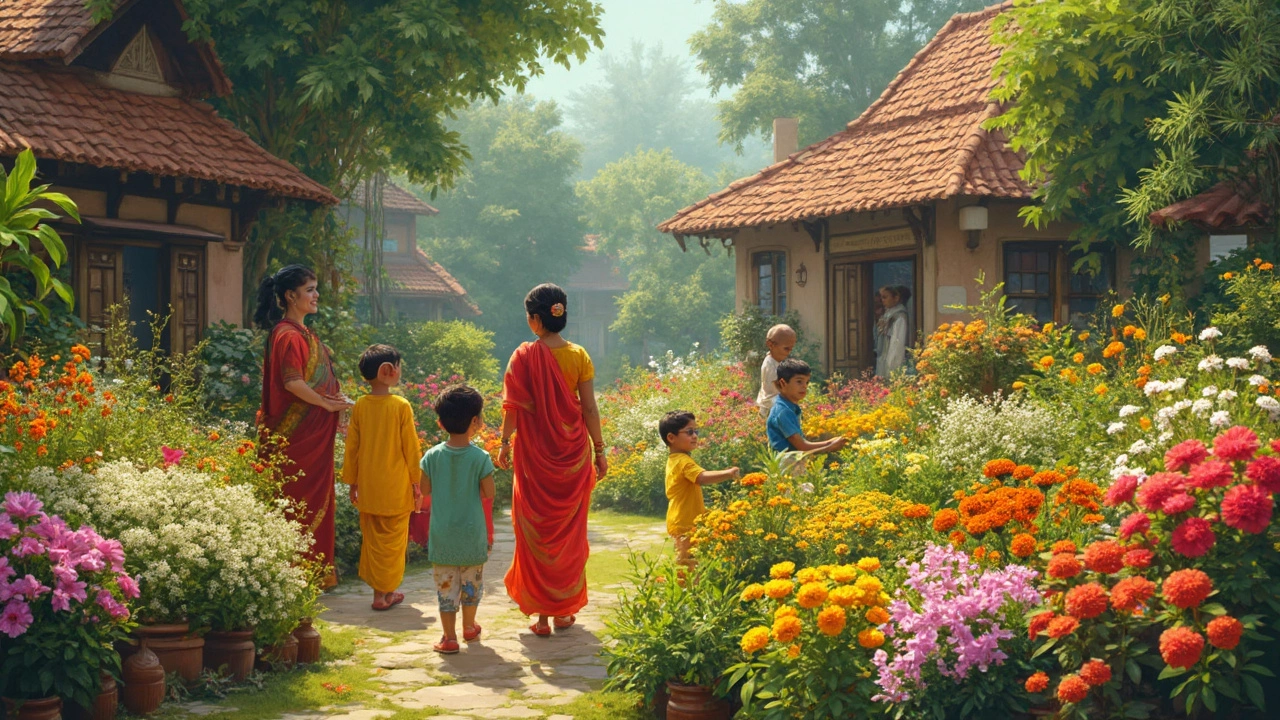
When you think of Indian gardens, homegrown green spaces shaped by India’s extreme seasons, limited space, and unique plant needs. Also known as urban Indian green spaces, they’re not just about flowers—they’re about survival. Most people treat them like Western gardens, and that’s why so many fail. India’s climate doesn’t follow a four-season script. It has scorching summers, torrential monsoons, and dry winters—all in one year. Your garden can’t thrive if you’re watering every day like in the UK or planting shade-lovers under full sun.
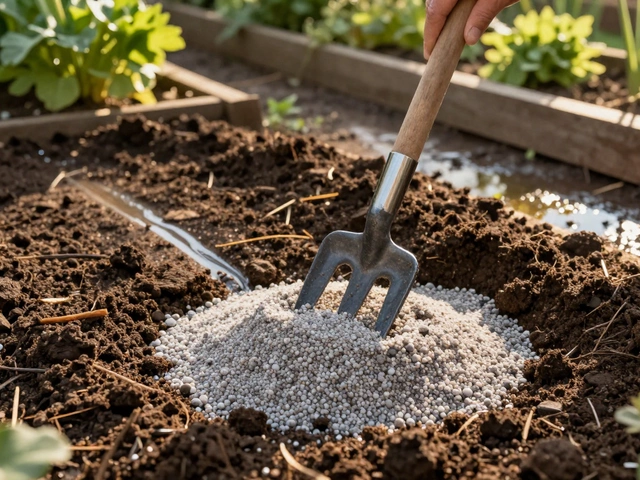
The real secret? It’s not about buying more tools. It’s about working with what India gives you. Soil health, the foundation of every successful Indian garden. Also known as garden soil resilience, it’s often ignored until plants turn yellow and die. Compacted, nutrient-poor soil is the silent killer. Most urban gardens in Delhi, Bangalore, or Mumbai have soil that’s been crushed under concrete, bricks, and neglect. Fixing it doesn’t need fancy machines—just compost, mulch, and a little elbow grease. Then there’s drip irrigation, the go-to water solution for Indian gardeners, but often misused. Also known as precision watering, it’s not meant for daily use. Run it every day? You’re drowning your roots. The best systems adjust to the season, the plant, and the humidity. And when pests show up? Natural insecticide, the safest, most effective way to protect plants without poisoning bees or soil. Also known as botanical pest control, neem oil isn’t magic—it’s science. It’s been used for centuries in Indian farms, and now it’s the top choice for terrace gardeners too.
Indian gardens aren’t just backyards—they’re balconies, rooftops, and tiny patios turned into food sources. You can grow tomatoes on a 10x10 balcony. You can grow durian if you’re patient. You can grow jasmine that blooms only in the rains. But you can’t do any of it by copying Pinterest boards from California. You need local wisdom. That’s what this collection gives you: real fixes for real Indian garden problems. No fluff. No theory. Just what works when the temperature hits 40°C and your soil feels like concrete.
Wondering when flowers bloom in India? This guide breaks down the main months for flowering, showing how weather, location, and plant types play a role. You'll see which blooms to expect from winter to monsoon and even some tricks for timing your own garden. It's simple, clear, and based on what's really happening in gardens around the country. Perfect for both new and experienced gardeners who want more flowers, more often.