Kitchen Gardening Tips: Smart Ways to Grow Food at Home
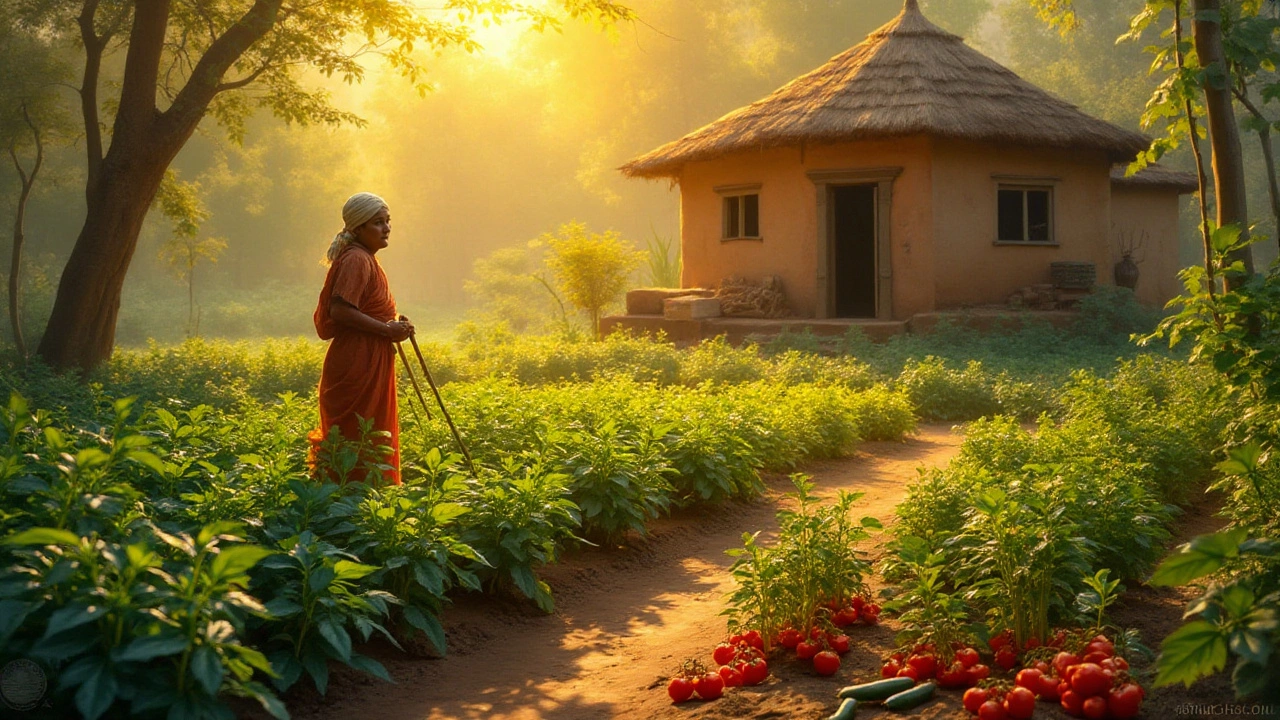
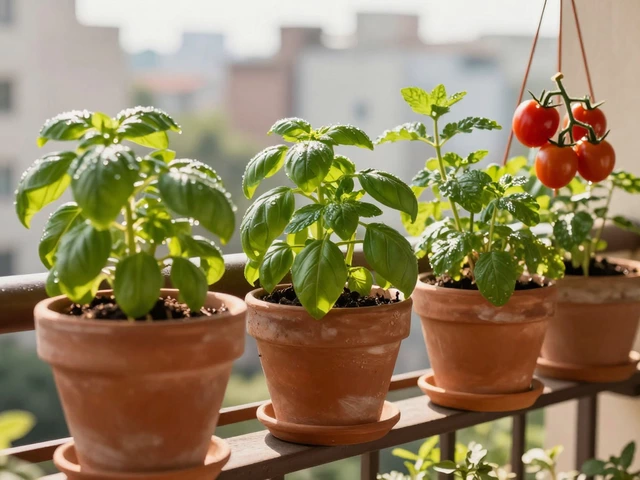
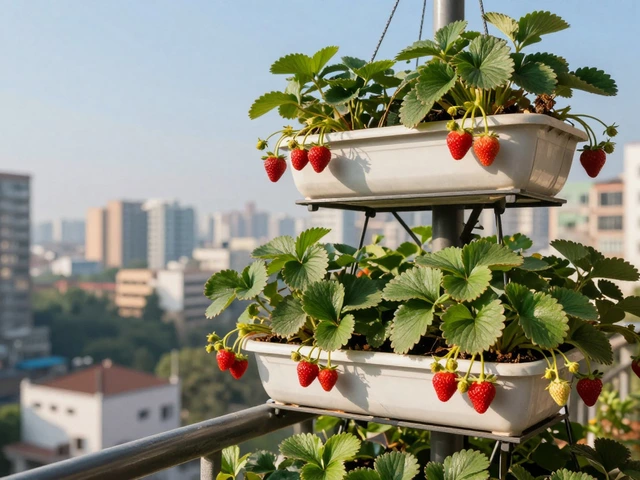
When you start kitchen gardening, growing food like herbs, tomatoes, or chili peppers right in your home, even on a balcony or windowsill. Also known as container gardening, it’s not just about saving money—it’s about having fresh, chemical-free food within reach. In India, where space is tight and summers are harsh, kitchen gardening isn’t a trend—it’s a smart habit. You don’t need a backyard. A 10x10 patio, a balcony railing, or even a windowsill can become your personal farm.
What makes kitchen gardening work isn’t luck—it’s soil health, how well your growing medium holds water, nutrients, and air for roots. Most people fail because they use regular garden soil in pots—it turns hard and suffocates roots. The fix? Mix in compost and cocopeat. You can even make your own organic fertilizer, a nutrient-rich mix made from kitchen scraps like banana peels, eggshells, and coffee grounds. It’s cheaper than store-bought and safer for your plants and your family.
Watering is another big mistake. Running a drip irrigation, a system that delivers water slowly and directly to plant roots every day? That’s how you drown your plants. Most kitchen veggies need water only when the top inch of soil is dry. A simple finger test beats any timer. And if you’re serious about saving water, pair drip lines with mulch—rice husk or dry leaves work great in Indian homes.
You’ll find that some plants thrive here while others don’t. Tomatoes, coriander, mint, and green chilies are easy wins. But if you’ve tried growing basil and it keeps dying, it’s probably not your fault—it’s the light. Most kitchen gardens fail because they’re placed in shady corners. Even a few hours of direct sun makes all the difference. And if your balcony gets too hot in summer, a shade cloth or a reflective surface can save your plants.
This collection of posts isn’t about theory. It’s about what actually works in Indian homes. You’ll find guides on fixing compacted soil, choosing the best vegetables for small spaces, and why neem oil is the most reliable natural pest killer. You’ll learn how to tell if your plant is overwatered before it’s too late, and how to build a self-sustaining system using rainwater and compost. No fluff. No jargon. Just clear, tested advice from people who’ve done it—on balconies in Mumbai, terraces in Delhi, and patios in Bangalore.
Whether you’re starting with a single pot of mint or planning a full veggie setup, the right tips turn frustration into harvest. What you’ll find below isn’t just a list of articles—it’s a roadmap to growing your own food, one smart choice at a time.
Choosing the right direction for your vegetable garden can make a world of difference in its success. It's crucial to understand how sunlight, wind, and garden layout contribute to growing thriving vegetables. With strategic planning and simple tips, even beginners can create an optimal environment for their plants. Explore these practical insights to maximize growth and enjoy bountiful harvests.