Orchid Care: Simple Tips for Healthy, Blooming Orchids at Home
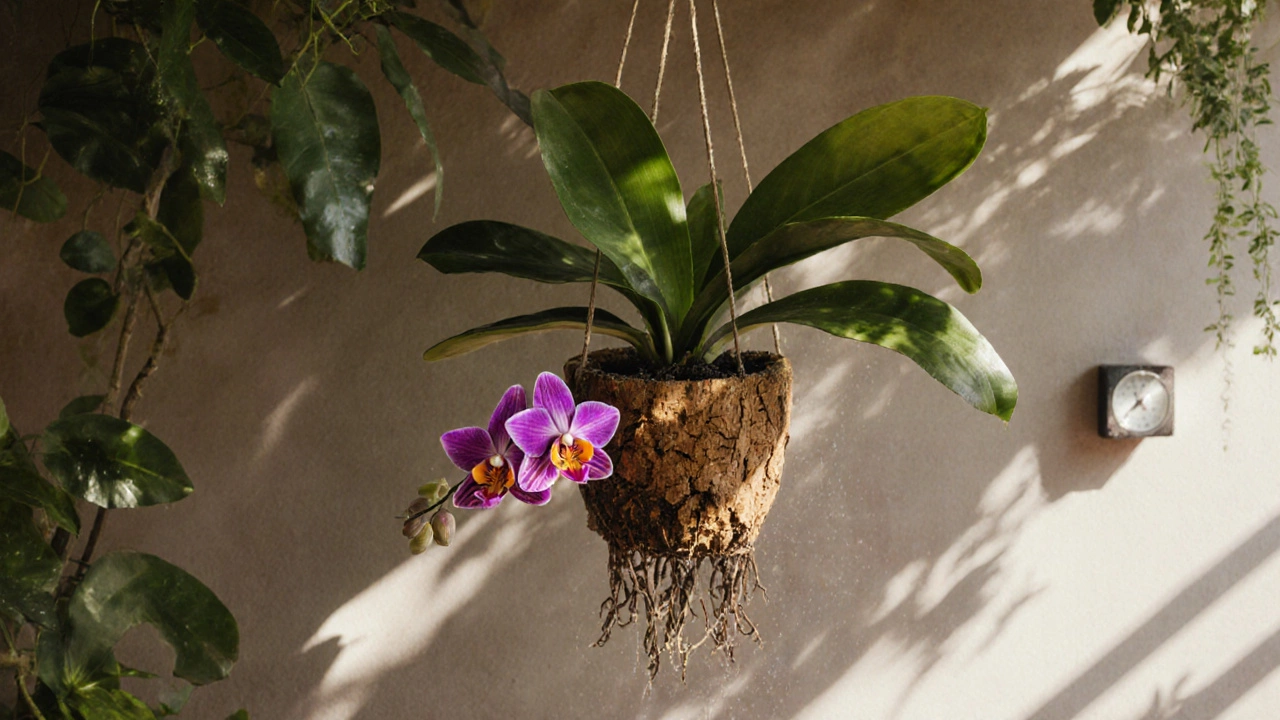
When you think of orchid care, the specialized attention required to grow orchids successfully indoors or in tropical climates. Also known as tropical flower maintenance, it's not about fancy tools or expensive setups—it's about matching the plant’s natural rhythm to your home environment. Most people kill orchids by treating them like houseplants. They water them weekly, dump them in potting soil, and leave them in dim corners. But orchids aren’t normal plants. They’re epiphytes—nature’s airborne gardeners—that grow on trees in the wild, soaking up moisture from the air, not sitting in soggy dirt.
Orchid watering, how and when to give water without drowning the roots. Also known as moisture management, it’s the #1 mistake people make. You don’t water on a schedule. You water when the roots turn silvery-white and the pot feels light. In India’s humid climate, that might mean every 10 days in winter and every 5 days in summer. Overwatering causes root rot—dark, mushy roots that smell bad. Healthy roots are firm and green or silvery. Use a clear pot so you can see what’s happening inside.
Orchid light, the right kind and amount of sunlight orchids need to trigger blooms. Also known as light exposure for epiphytes, it’s not about brightness alone—it’s about quality. East-facing windows are ideal. South-facing works if you filter the sun with a sheer curtain. North-facing? Too dark. You’ll get leaves, but no flowers. Orchids need bright, indirect light for 6–8 hours a day. If leaves turn yellow or red, you’re giving too much. If they’re dark green and floppy, you’re giving too little.
Orchid soil, the special mix that lets roots breathe and drain fast. Also known as epiphytic growing medium, it’s not dirt. Forget regular potting mix. Use bark chips, perlite, and charcoal. That’s it. This mix lets air reach the roots and lets water drain in minutes. If you use soil, your orchid will drown. And don’t repot often—only every 2 years, or when the bark breaks down. When you do, trim any dead roots and use fresh mix.
And orchid blooming, the reward you get when all the care adds up. Also known as flowering cycle, it’s not magic—it’s timing. Most orchids bloom once a year, usually after a slight drop in nighttime temperature. In India, that often happens in late winter or early spring. Don’t cut the flower spike after blooming—some orchids rebloom from the same stem. Just trim it above the second node. Feed lightly every 2 weeks with orchid-specific fertilizer, but skip it in winter.
Orchids aren’t high-maintenance. They’re just misunderstood. Once you stop watering like you would a tomato plant and start thinking like a tree, they’ll reward you with blooms that last months. You don’t need a greenhouse. You don’t need a degree in botany. Just pay attention. Watch the roots. Feel the pot. Notice the leaves. The plant will tell you what it needs.
Below, you’ll find real-world advice from gardeners who’ve figured this out—no fluff, no theory, just what works in Indian homes and balconies. Whether you’re struggling with yellow leaves, no blooms, or mushy roots, there’s a fix here you can use tomorrow.
The Vanda orchid is the toughest plant to grow in India due to its exacting needs for humidity, temperature, and airflow. Most gardeners fail because they treat it like a regular houseplant. Here’s what actually works.
Continue reading...