Patio Setup for a Thriving Small Space Garden
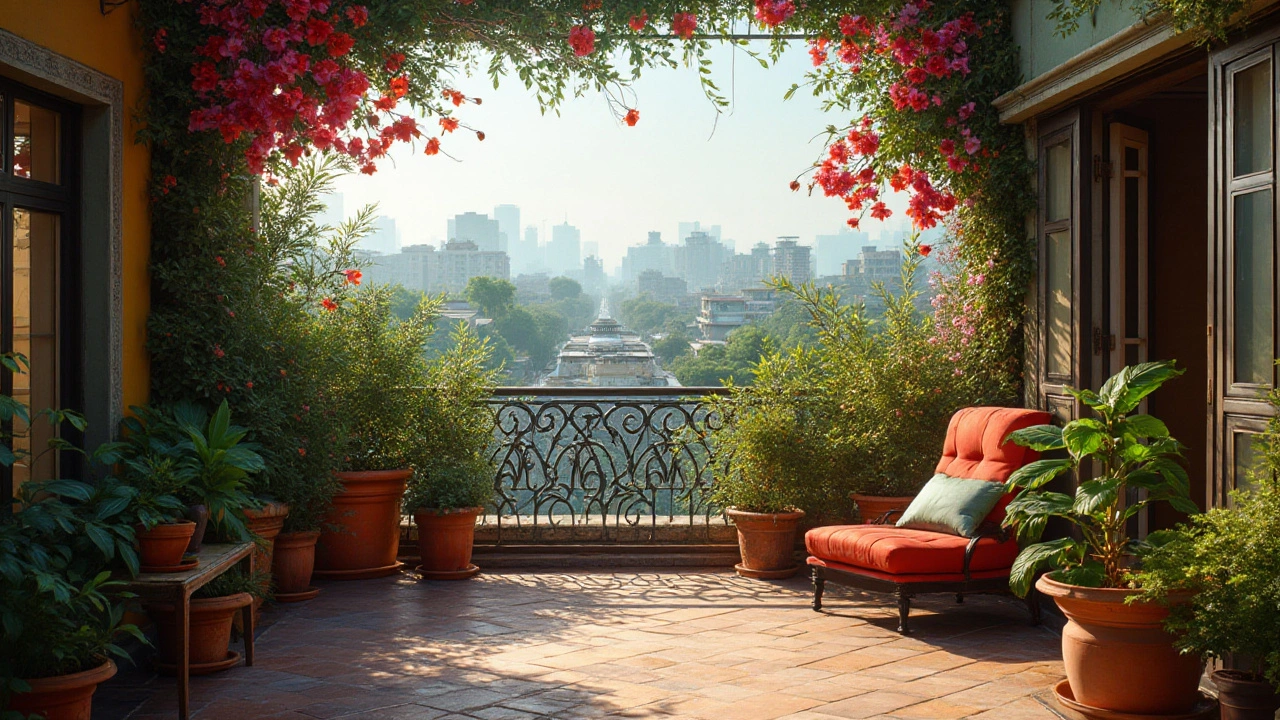
When you think of a patio setup, a designed outdoor area meant for relaxation and gardening, often on rooftops or balconies in urban homes. Also known as terrace garden, it's not just about placing pots on concrete—it's about creating a living, breathing ecosystem in tight spaces. In India, where apartments and flats dominate, a well-planned patio setup can turn a 10x10 foot area into a food-producing, calming green zone. You don’t need a backyard. You just need the right plants, smart watering, and a little structure.
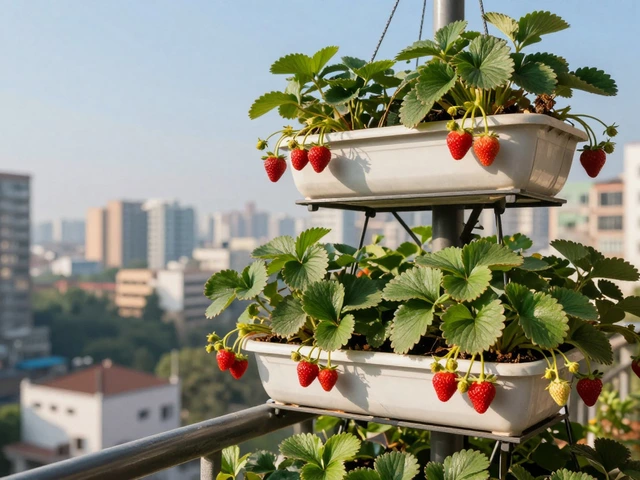
Many people start with a few pots and quickly get overwhelmed. The problem isn’t space—it’s how they use it. A good patio setup, a designed outdoor area meant for relaxation and gardening, often on rooftops or balconies in urban homes. Also known as terrace garden, it's not just about placing pots on concrete—it's about creating a living, breathing ecosystem in tight spaces. includes vertical planters, smart drainage, and sun-tracking layouts. It’s not just about what you grow, but how you arrange it. For example, placing taller plants like tomatoes or okra on the north side (in the Northern Hemisphere) keeps them from shading smaller crops. In Indian cities, where balconies bake under the sun, adding shade sails or reflective paint can make a huge difference. You’re not just gardening—you’re managing microclimate.
Water is another big piece. A drip irrigation system might sound fancy, but it’s not always the best fit for a small patio. Sometimes, a simple soaker hose, a porous tube that slowly releases water along its length, ideal for container gardens and narrow spaces works better. It’s cheaper, easier to install, and doesn’t clog like drip emitters when you’re using tap water with mineral buildup. Pair that with mulch—dry leaves, coconut coir, or even recycled newspaper—and you cut watering needs by half. Rainwater harvesting? Yes, even on a balcony. A single 50-liter barrel under a downspout can keep your herbs alive through dry spells.
And then there’s soil. Most people use bagged potting mix and wonder why their plants die. Good soil isn’t bought—it’s built. Mix in compost, crushed eggshells, and a bit of cow dung if you can find it. Your patio plants don’t need fancy fertilizer. They need life in the dirt. That’s why the best patio setups include a small compost bin or worm tower tucked under the sink. It turns kitchen scraps into plant food and keeps your space smelling fresh.
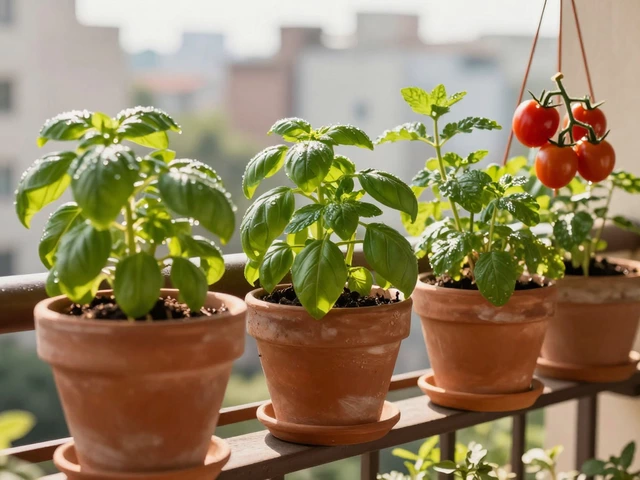
What you grow matters too. Not all veggies thrive on a hot balcony. Leafy greens like spinach and lettuce do well in partial shade. Chilies, tomatoes, and eggplants need full sun. Herbs like mint, coriander, and basil are low-maintenance and perfect for small pots. And don’t forget flowers—marigolds and jasmine don’t just look pretty; they repel pests. A patio setup isn’t just about food. It’s about balance. Beauty. Life.
Below, you’ll find real guides from gardeners who’ve turned tiny patios into food forests, quiet retreats, and even mini farms. No theory. No fluff. Just what works in Indian homes—with limited space, high heat, and monsoon rains. Whether you’re starting from scratch or trying to fix a dying balcony, there’s something here that’ll click for you.
When contemplating a serene outdoor nook, many consider using either a balcony or a patio. These spaces offer distinct advantages for gardening and leisure. A balcony, elevated and often compact, promises views and privacy, suitable for container gardens, while a patio, commonly at ground level, provides a versatile canvas for larger planting and social gatherings. Understanding these differences helps maximize each space's potential.
Continue reading...