Sand in Gardening: What It Does, When to Use It, and What to Avoid
When you think of sand, a granular material made of finely divided rock and mineral particles. Also known as silica sand, it's often misunderstood in gardening circles. Many assume adding sand to soil automatically improves it—but that’s not true. In fact, mixing sand with clay without the right balance can turn your garden into concrete. Sand works only when it’s used for the right reason: to improve drainage, the ability of soil to allow water to pass through in heavy, waterlogged soils. It doesn’t add nutrients. It doesn’t hold moisture. And it won’t fix poor soil by itself.
Here’s what actually happens: if your soil is thick and sticky—common in parts of India during monsoon season—adding coarse sand can help break it up. But if you just sprinkle sand over clay, you get a brick. The key is mixing it in deep and with organic matter, material like compost or leaf mold that improves soil structure and feeds microbes. That’s why posts about fixing compacted soil always mention compost first, and sand only as a helper. Sand also shows up in potting mixes for succulents and cacti, where fast drainage is non-negotiable. But for most vegetables, herbs, or flowers in India’s varied climates, too much sand dries out roots too fast. You need balance.
Some gardeners try to use sand as a cheap substitute for potting soil. It doesn’t work. Sand has no cation exchange capacity—it can’t hold onto nutrients. Plants starve even if you fertilize. And if you’re trying to grow something like Vanda orchids or durian trees—both mentioned in our posts—you need structure, not just grit. Sand might help with root aeration, but only if paired with the right mix of peat, bark, or coco coir. Even then, it’s not the star. It’s the supporting actor.
Check your soil before you add anything. If water pools after rain, or your shovel feels like it’s hitting a wall, you might need sand. But if your soil crumbles easily and dries out too fast, you need compost, not sand. Many of the fixes in our posts—like revitalizing old garden soil or aerating hard ground—skip sand entirely because they focus on what really moves the needle: biology, not geology. Sand has its place. But it’s not the solution to every problem. In fact, it’s often the wrong answer.
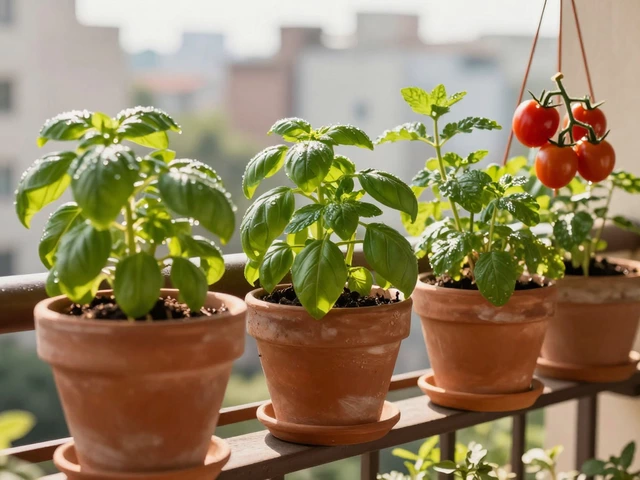
Below, you’ll find real cases from Indian gardeners who learned the hard way—how sand helped one person’s balcony herbs thrive, but ruined another’s bonsai roots. You’ll see how it fits into drip irrigation systems, why it’s sometimes used in terrace gardens, and when it’s better to leave it out. No theory. No fluff. Just what works on the ground, in India’s weather, with real plants and real results.
Learn what to add to soil to make it free draining with proven, practical amendments like perlite, coarse sand, and compost. Avoid common mistakes and build healthy, well-drained garden soil over time.
Improving clay soil drainage can pose a challenge for gardeners. While adding sand can seem like a straightforward solution, it doesn't always achieve the desired results. Learn how the combination of sand and clay can affect soil structure and explore alternative methods for enhancing clay soil drainage effectively. Discover practical tips that can transform a heavy clay yard into a thriving garden space. Equip yourself with knowledge to choose the best approach for your garden's needs.