Soil Amendment: What It Is and How It Fixes Garden Problems
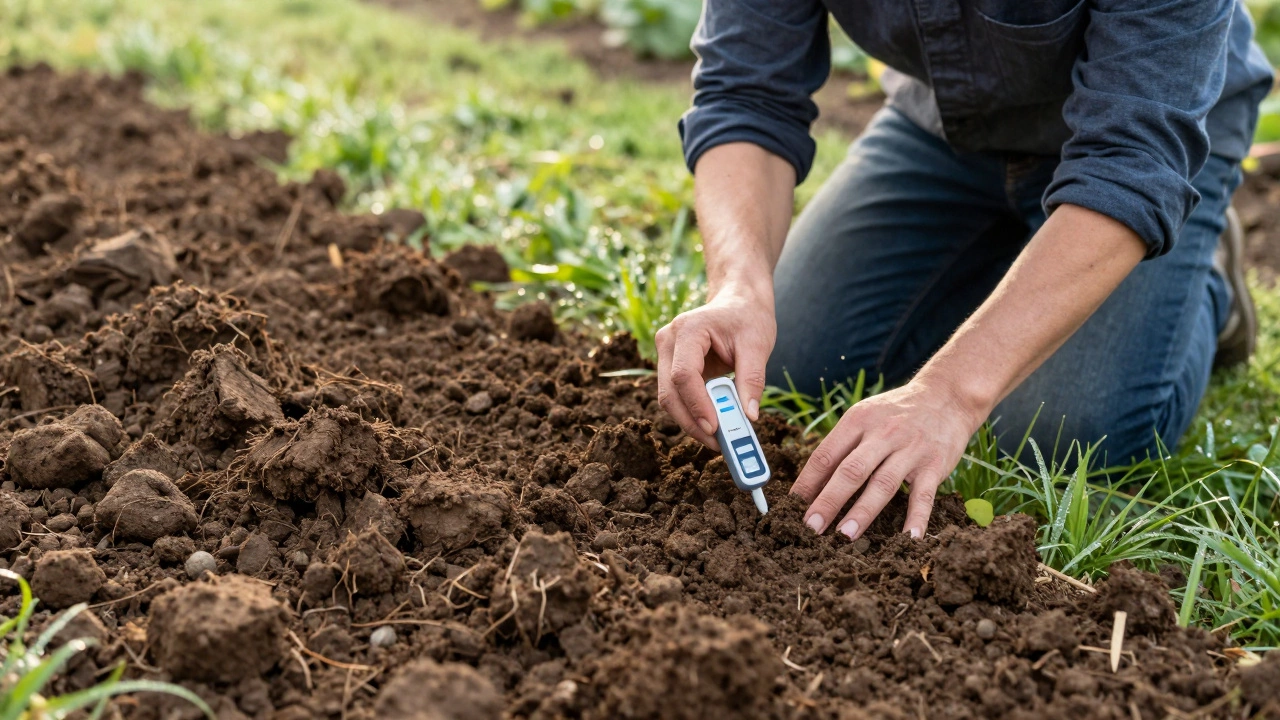
When your plants struggle even with water and sun, the problem isn’t them—it’s the soil amendment, a material added to soil to improve its physical properties for better plant growth. Also known as soil conditioner, it’s not fertilizer. It doesn’t feed plants directly. Instead, it fixes the structure of the dirt so plants can feed themselves. Think of it like fixing a broken pipe so water can flow. If your soil is hard as brick, drains too fast, or stays soggy, no amount of fertilizer will help. You need to fix the foundation.
Most gardeners in India face this. Clay soil sticks like glue. Sandy soil lets water vanish overnight. Both kill roots. The right compost, organic matter broken down into nutrient-rich humus that improves soil texture and microbial life changes everything. It opens up dense soil, helps sandy soil hold water, and brings back life to dead dirt. Then there’s perlite, a lightweight volcanic rock used to aerate soil and prevent compaction, often mixed in for pots and raised beds. And mulch, a layer of material spread on top of soil to retain moisture, suppress weeds, and slowly improve soil as it breaks down—it’s not just decoration. It’s part of the amendment process.
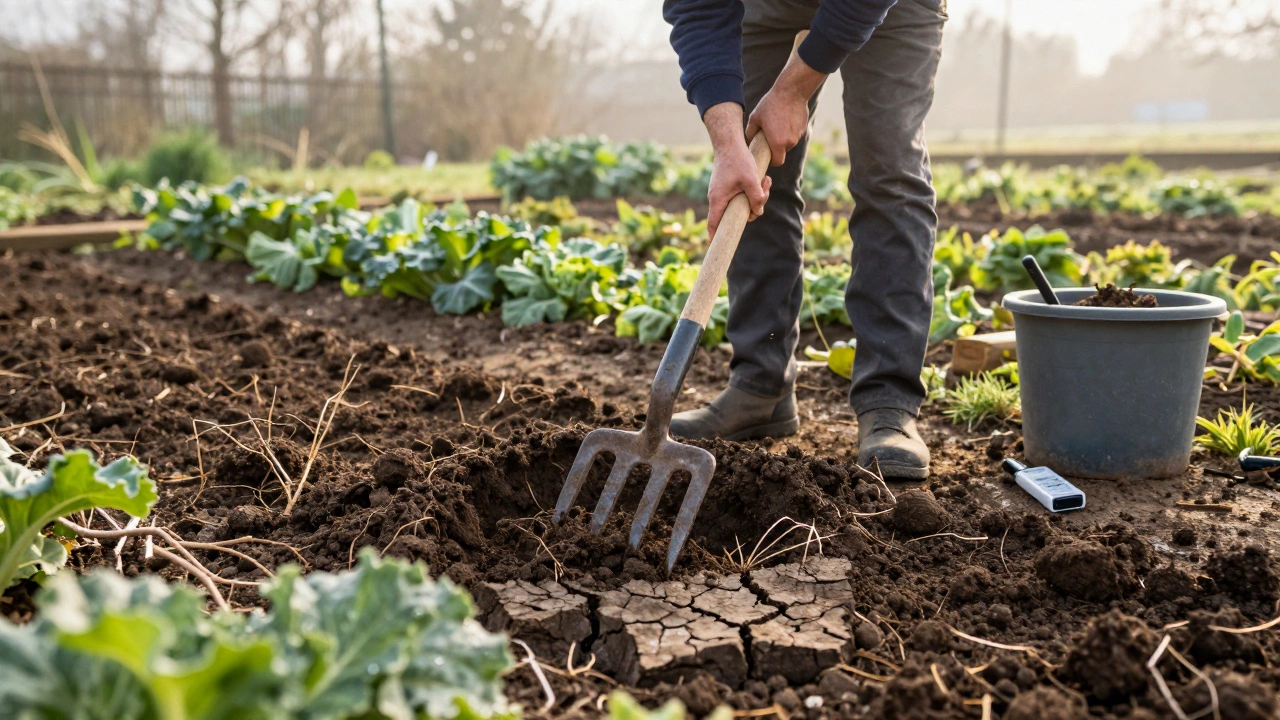
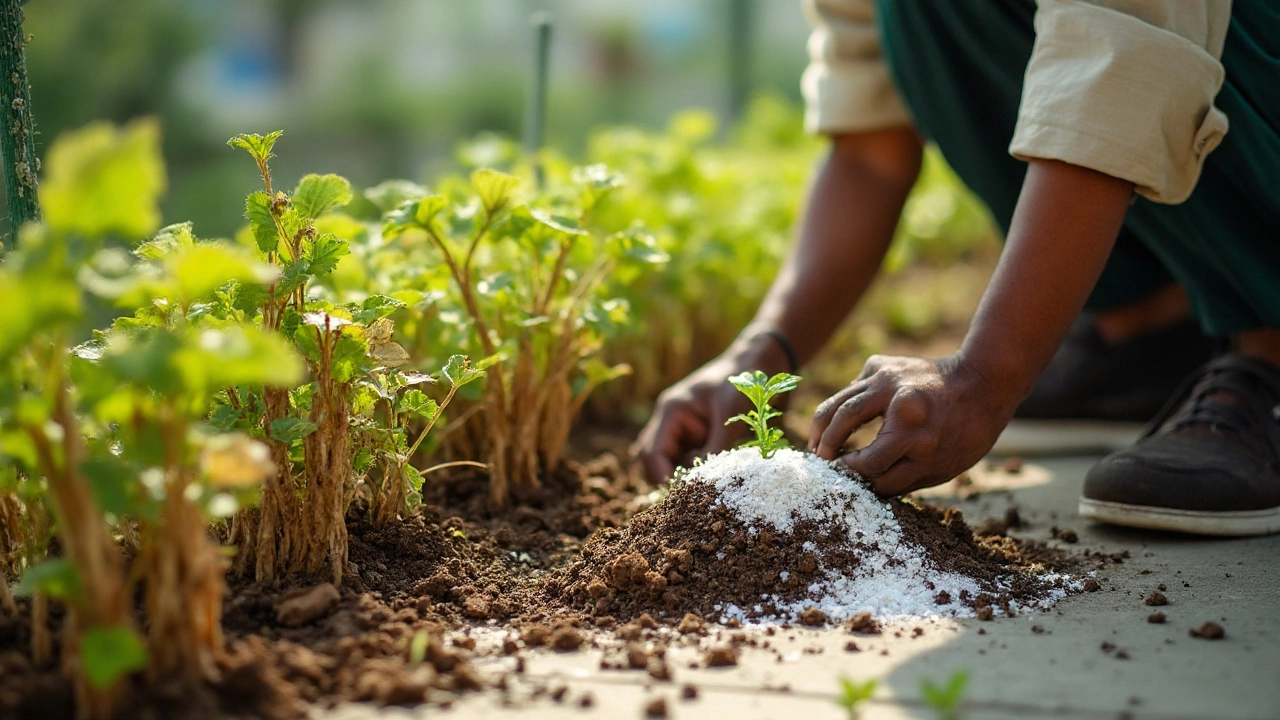
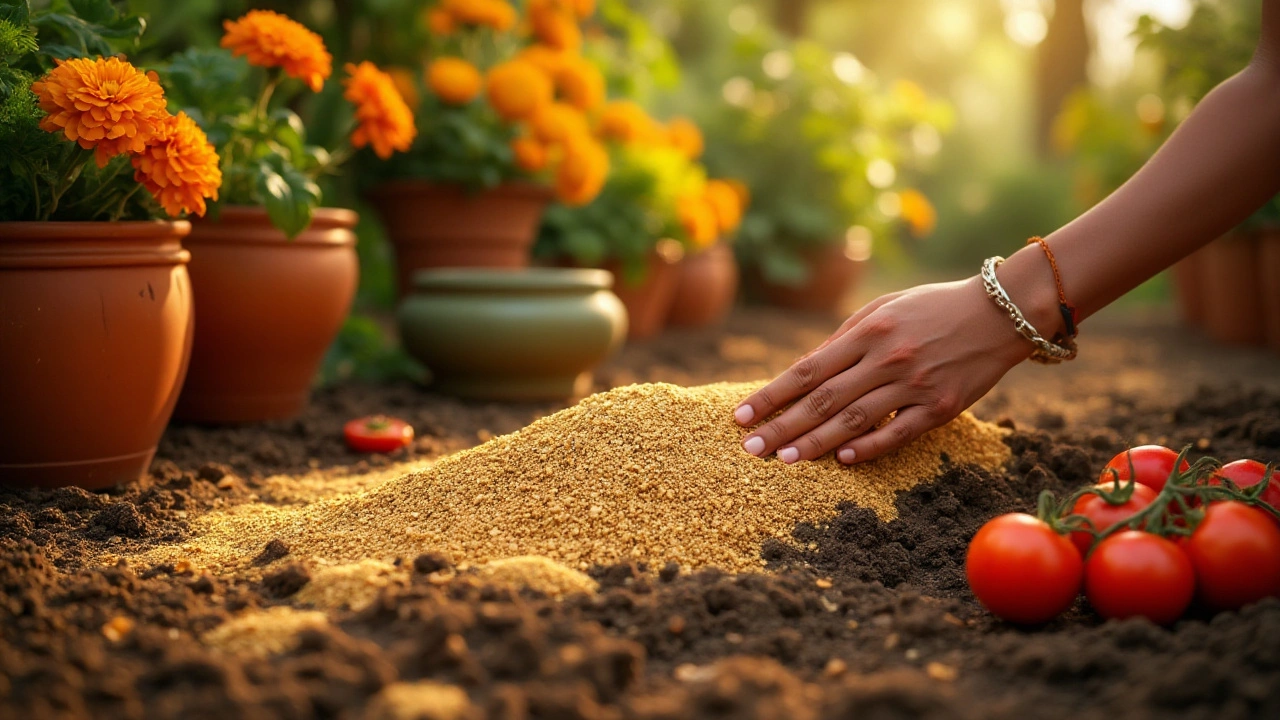
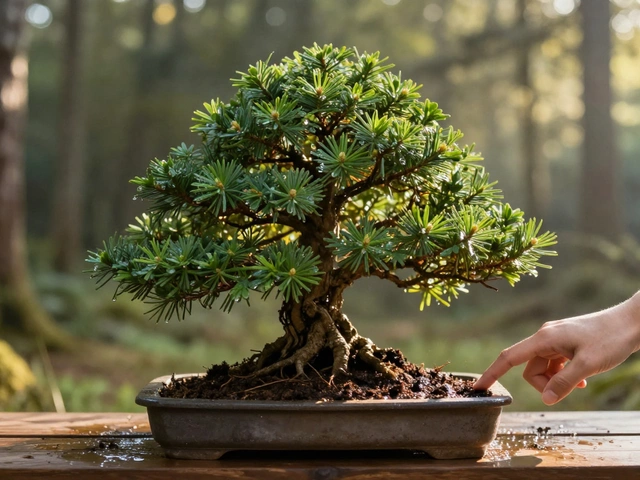
Soil amendment isn’t a one-time fix. It’s a habit. The posts below show how real gardeners are using these tools. One person turned compacted terrace soil into a veggie paradise using just compost and a garden fork. Another saved dying bonsai roots by switching from chemical fertilizers to slow-release organic amendments. You’ll see how neem cake, cow dung, and even crushed eggshells work as low-cost, local solutions. No expensive machines. No magic potions. Just smart, simple changes to the dirt under your plants.
What you’ll find here isn’t theory. It’s what works on Indian balconies, rooftops, and backyard plots. Whether you’re fighting hard soil, poor drainage, or weak growth, the fixes are in these posts. You don’t need to buy anything fancy. Start with what’s already around you—and let the soil do the rest.
Lime doesn’t soften soil physically, but it improves structure by correcting acidity. Learn when and how to use lime effectively, what it actually does, and alternatives that really loosen heavy soil.
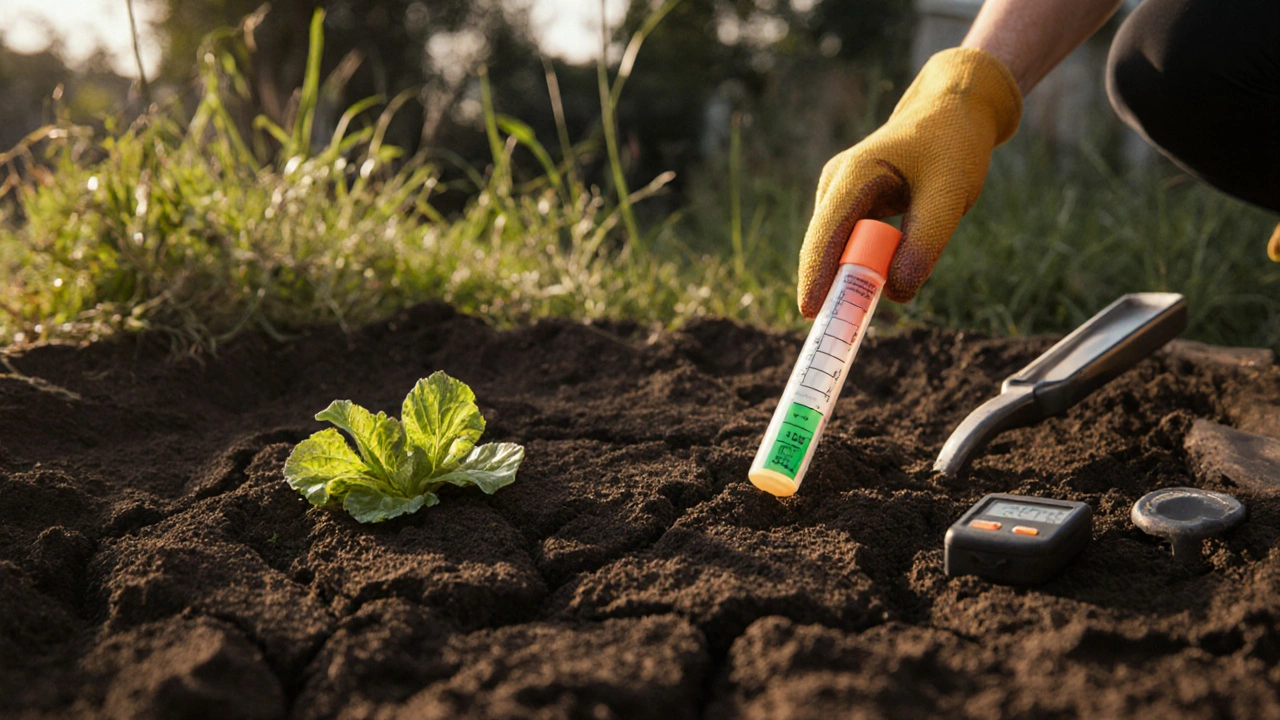
Learn how to restore old garden soil with simple, proven steps: test pH, break compaction, add compost, plant cover crops, and use mulch. No chemicals needed-just patience and nature.
Compost and organic compost aren't the same. Learn how to tell them apart, why it matters for your garden, and how to choose the right one for growing safe, healthy food.
Perlite is popular for soil improvement, but it's not all sunshine. Explore real downsides of perlite in gardening, its risks, and possible alternatives.
Are egg shells really good for your plants, or is it just a garden myth? Dive into the science, real benefits, and practical tips for using egg shells as a natural soil booster.
Dense garden soil can choke roots and stall plant growth. This article breaks down proven, easy steps to loosen up tightly-packed soil. Get real advice on what to add and what actually works, from compost to surprising natural fixes. Learn how to spot common mistakes and keep your garden soil healthy for good. If you’re tired of water pooling up and plants sulking, you’ll find real solutions here.
Delving into the world of soil amendments, this article explores the unique properties of vermiculite and perlite. By examining their impact on soil aeration, moisture retention, and nutrient provision, gardeners can make informed decisions tailored to their specific planting needs. With vivid examples and practical gardening tips, readers will gain insights into optimizing their soil. Whether aiming to lighten heavy clay or retain moisture in sandy soil, discover which amendment best suits your garden’s demands.