Vanda Orchid: How to Grow This Stunning Tropical Beauty in India
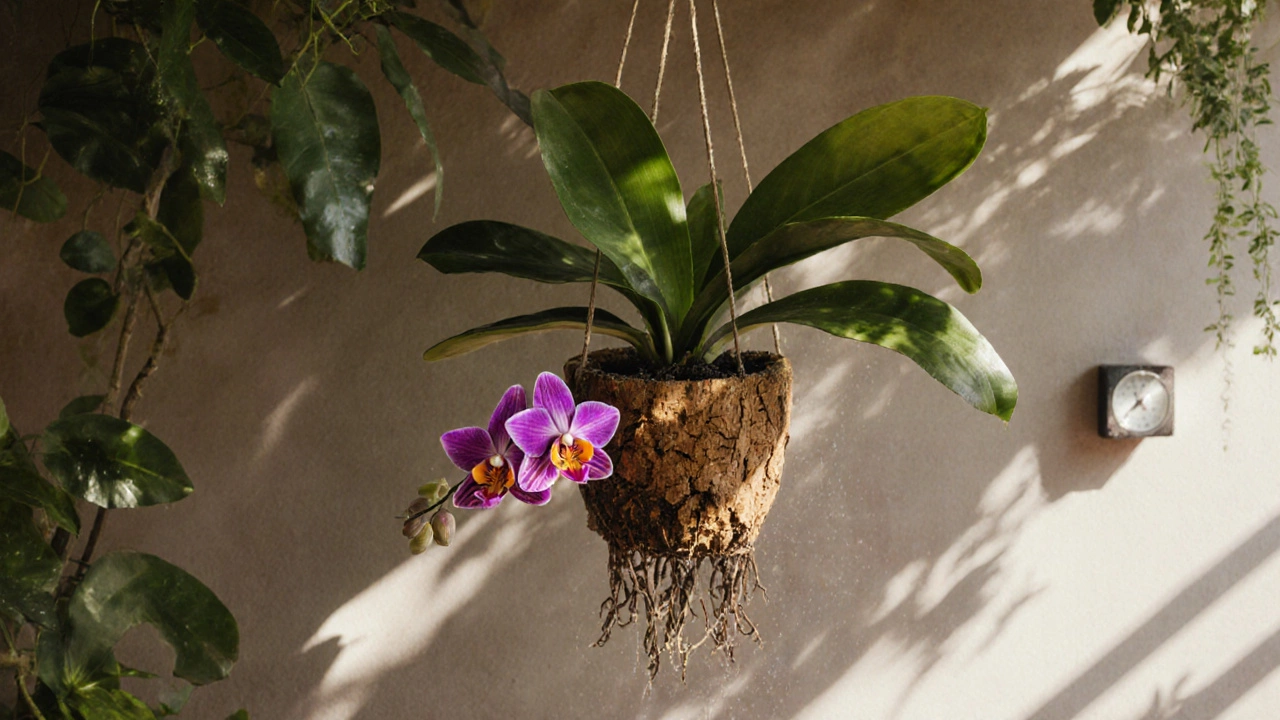
When you think of orchids, you might picture delicate flowers in greenhouses—but the Vanda orchid, a bold, sun-loving tropical orchid native to Southeast Asia and widely grown across India. Also known as Vandaceous orchid, it’s one of the few orchids that doesn’t need bark or moss to grow. Instead, it thrives with its roots exposed to air and sunlight, making it perfect for Indian balconies and terraces. Unlike other orchids that hide in shade, Vandas demand bright light and high humidity, which is why they’ve become a favorite among Indian gardeners who want to grow something truly exotic without a greenhouse.
What makes Vanda orchids special isn’t just their color—they come in electric blues, fiery reds, and glowing yellows—but how they grow. They’re epiphytic, plants that grow on other surfaces without soil, using their roots to cling to trees or mounts. This means you don’t need potting mix. You can hang them on wooden slats, wire baskets, or even driftwood. Their roots drink moisture from the air, so daily misting or a quick soak works better than regular watering. Too much water? That’s how they die. Too little? They shrivel. Finding that balance is the secret, and it’s easier than you think if you know your local climate.
India’s warm, humid regions—like Kerala, Tamil Nadu, and parts of Maharashtra—are ideal for Vandas. But even in drier cities like Delhi or Pune, you can grow them successfully with a little help from biotech gardening solutions, like humidity trays, root stimulants, and slow-release nutrient gels designed for tropical plants. These aren’t just fancy products—they’re science-backed tools that mimic the natural conditions Vandas need. You don’t need to be an expert. Just give them morning sun, avoid midday heat, and let them dry out between waterings.
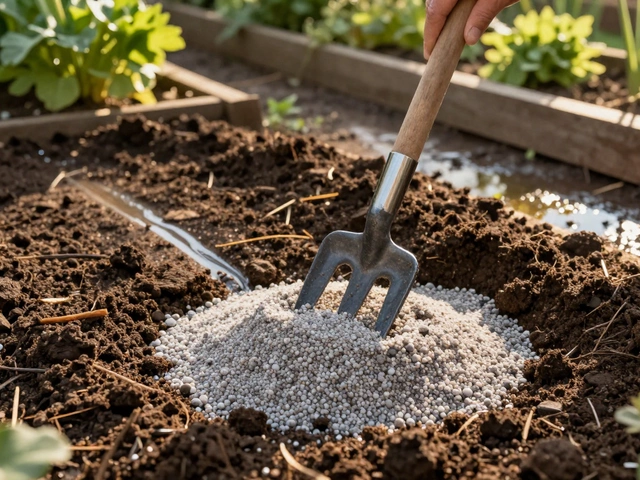
People often ask if Vandas need fertilizer. They do—but lightly. A weak solution every two weeks during growing season is enough. Too much burns their roots. And while most orchids need repotting every year, Vandas? You can leave them alone for years if they’re mounted right. Their roots grow outward, not down. That’s why you’ll see them in hanging baskets in Indian homes and nurseries—they’re built to be seen, not buried.
What you’ll find in the posts below aren’t just generic orchid tips. These are real, tested methods from gardeners who’ve grown Vandas in India’s varied climates. You’ll learn how to fix yellow leaves without overwatering, how to use natural insecticides like neem oil to keep pests away, and how to create a microclimate on your balcony that keeps your Vanda happy year-round. There’s no fluff. Just clear, practical advice for making this stunning plant bloom like it’s in the wild.
The Vanda orchid is the toughest plant to grow in India due to its exacting needs for humidity, temperature, and airflow. Most gardeners fail because they treat it like a regular houseplant. Here’s what actually works.
Continue reading...