Vegetable Garden: Grow More with Less in India’s Unique Climate
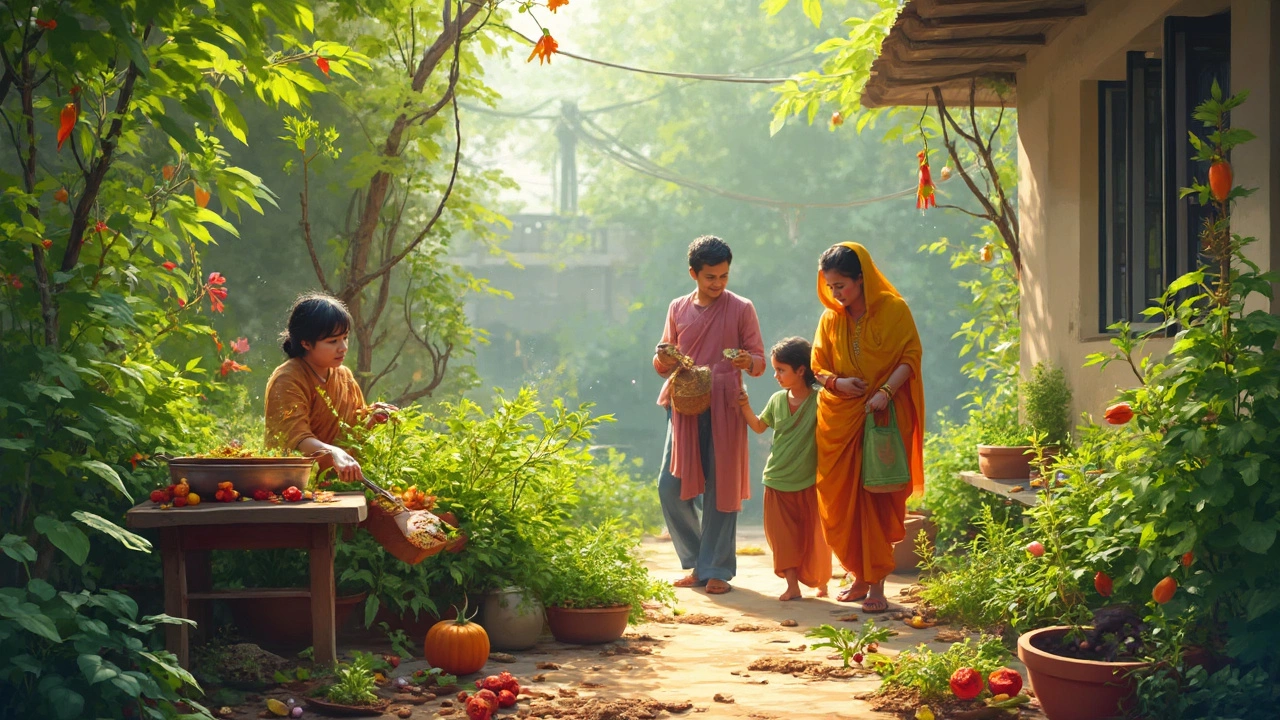
When you start a vegetable garden, a space where you grow edible plants for food, not just decoration. Also known as a kitchen garden, it’s one of the most practical ways to get fresh, chemical-free food right outside your door. In India, where space is tight and weather swings from scorching heat to heavy monsoons, a successful vegetable garden doesn’t need a big plot—it just needs the right approach.
A container garden, growing plants in pots, buckets, or raised beds instead of the ground works better for most Indian homes. You control the soil, move plants to shade when it’s too hot, and avoid pests that thrive in open ground. Many of the top vegetables for balcony gardening—like tomatoes, chillies, spinach, and beans—do just as well in 10-liter pots as they do in fields. And when you pair this with smart drip irrigation, a system that delivers water slowly and directly to plant roots, you cut water waste by up to 60% compared to buckets or hoses. No more guessing if your plants got enough. Just set it and forget it.
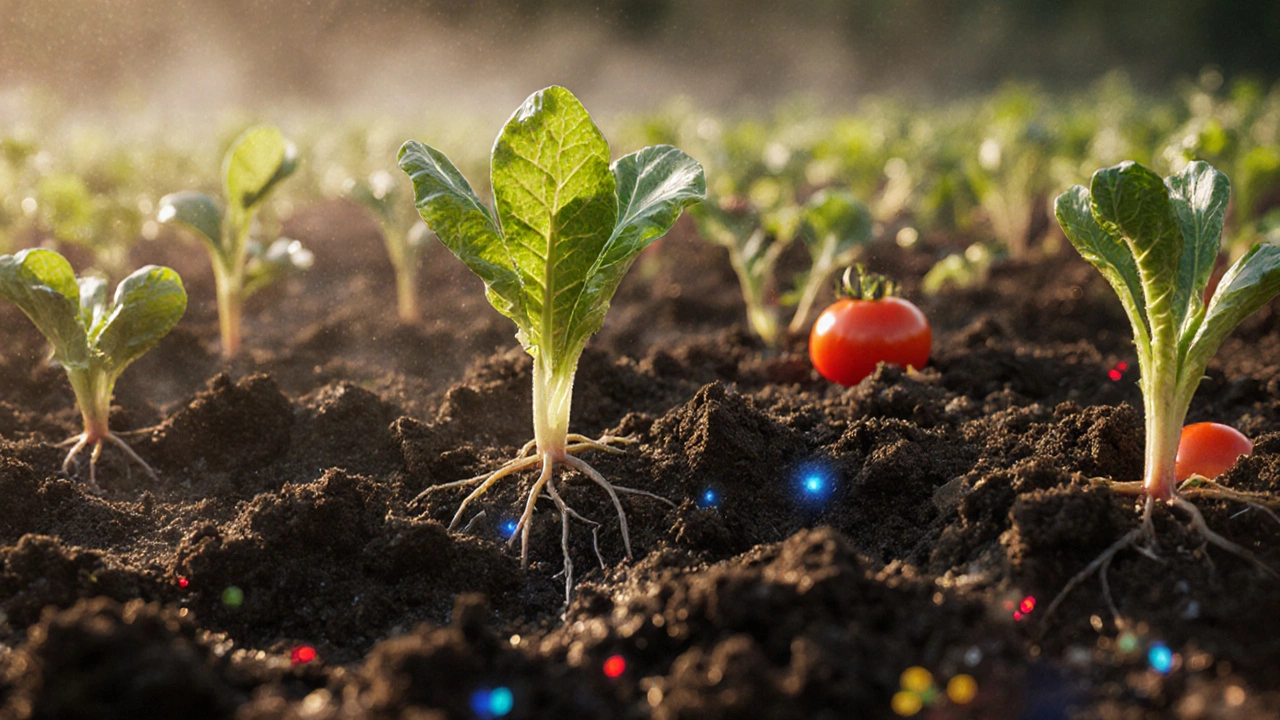
But even the best watering system fails if your soil health, the condition of the growing medium that supports plant roots, nutrients, and microbes is bad. Most Indian urban soils are either too compacted or stripped of life from years of construction or chemical use. The fix? Mix in compost, break up hard clumps, and cover the surface with mulch. You don’t need fancy products—leftover kitchen scraps, dry leaves, and cow dung manure work better than most store-bought fertilizers. Healthy soil means fewer pests, stronger roots, and more harvests with less effort.
What you’ll find below isn’t theory. It’s what actually works for people growing food in Indian apartments, rooftops, and tiny yards. You’ll learn how to pick the right veggies for your light conditions, how to fix soggy or cracked soil without digging up your balcony, and why running drip irrigation every day is a mistake most beginners make. Some posts show you how to turn a 10x10 patio into a food factory. Others reveal the one natural insecticide that stops pests without killing bees. There’s even a guide on what to plant when the monsoon hits and how to save your garden when temperatures hit 45°C.
This isn’t about having a perfect garden. It’s about getting real food, with less stress, less water, and less waste. Whether you’re planting your first tomato in a recycled bottle or upgrading your rooftop setup, the advice here is stripped down to what matters: results.
Discover the top homemade fertilizer recipes for a thriving vegetable garden, with step‑by‑step guides, application tips, and FAQs to boost your crops organically.
Starting a vegetable garden in your backyard is easier than most people think. With the right tools and a bit of planning, you can grow your own fresh produce and enjoy better-tasting meals. This article lays out easy steps to get started, from choosing a spot to picking the first plants and using the right tools. Simple tips and practical advice ensure anyone can follow along, even if you've never gardened before. Save money, eat healthier, and discover a new hobby right outside your kitchen door.
Improving soil for a vegetable garden is key to growing healthy plants. This article explores the best additions to enhance soil quality, including compost, organic matter, and natural fertilizers. Discover practical tips to boost your garden's productivity with efficient soil enhancements. Learn how to use these soil amendments for better vegetable growth in your backyard.
A kitchen garden and a vegetable garden may sound similar, but they serve different purposes and functions. This article explores their distinct roles in home gardening, highlighting what makes each unique. With practical tips and insights, learn how these two types of gardens can complement each other and enhance your gardening experience. Whether you're a seasoned gardener or a newbie, discover which garden suits your needs.