Vegetable King India: Top Crops, Growing Tips, and Why It Matters
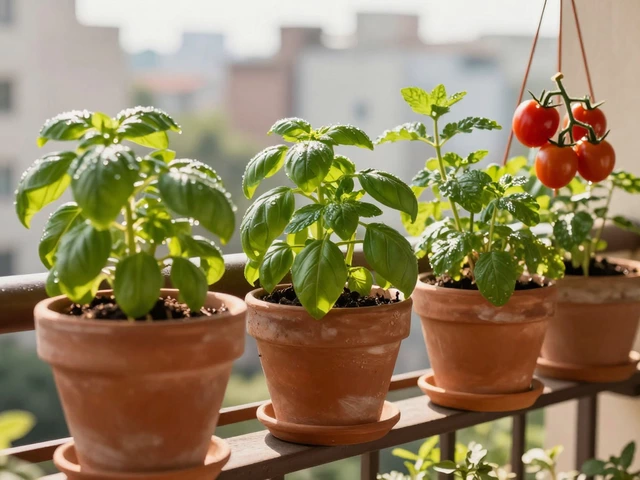
When people talk about the vegetable king India, a term often used for the most dominant, high-yield, and culturally significant vegetable in Indian home gardens and farms. It’s not just about size or price—it’s about reliability, nutrition, and how well it fits into daily meals across the country. This title usually points to tomato, a staple in Indian kitchens, grown in backyards, balconies, and large farms alike. Also known as rambhan, it thrives in India’s varied climates and feeds families year-round. But the real question isn’t just which vegetable holds the crown—it’s why it does, and how you can grow it better than anyone else.
The vegetable king India, often the tomato. Also known as rambhan, it thrives in India’s varied climates and feeds families year-round. But the real question isn’t just which vegetable holds the crown—it’s why it does, and how you can grow it better than anyone else.
Why tomato? Because it’s the backbone of chutneys, curries, and sabzis. It grows fast, produces heavily, and adapts to pots, ground, and vertical gardens. But it’s not the only player. chili peppers, the fiery heart of Indian spice culture. Also known as mirchi, they’re grown everywhere from Kerala to Punjab. Then there’s brinjal, a tough, drought-tolerant crop that survives even dry spells. Also known as baingan, it’s a favorite in rural and urban gardens alike. These aren’t just vegetables—they’re cultural icons, and they demand smart growing practices.
Most gardeners fail not because they don’t try, but because they use the wrong soil, overwater, or skip pest control. You can’t treat a tomato like a houseplant. It needs sun, drainage, and natural insect killers like neem oil, a proven, safe, and widely used organic solution in Indian gardens. Also known as neem extract, it keeps aphids and whiteflies away without harming bees or soil life. Compacted soil? That’s a silent killer. You need to aerate, add compost, and mulch—just like the guides on fixing hard soil and reviving old garden beds.
And it’s not just about the plant. It’s about the system. Whether you’re using drip irrigation, soaker hoses, or rainwater harvesting, how you water matters more than how often. A tomato in a 10x10 patio can outproduce one in a large field—if you get the basics right. You don’t need acres. You need the right mix of light, soil, and timing.
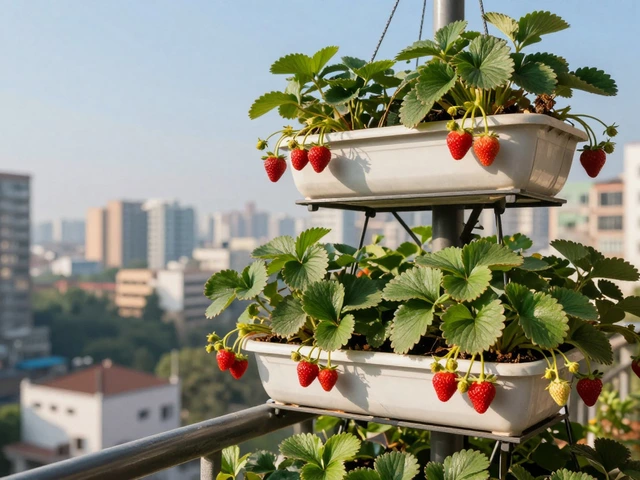
Below, you’ll find real guides from Indian gardeners who’ve cracked the code. From choosing the best vegetables for balconies to making your own fertilizer, fixing soil, and avoiding overwatering traps—you’ll see exactly what works. No theory. No fluff. Just what’s growing right now in Indian homes, backyards, and rooftops.
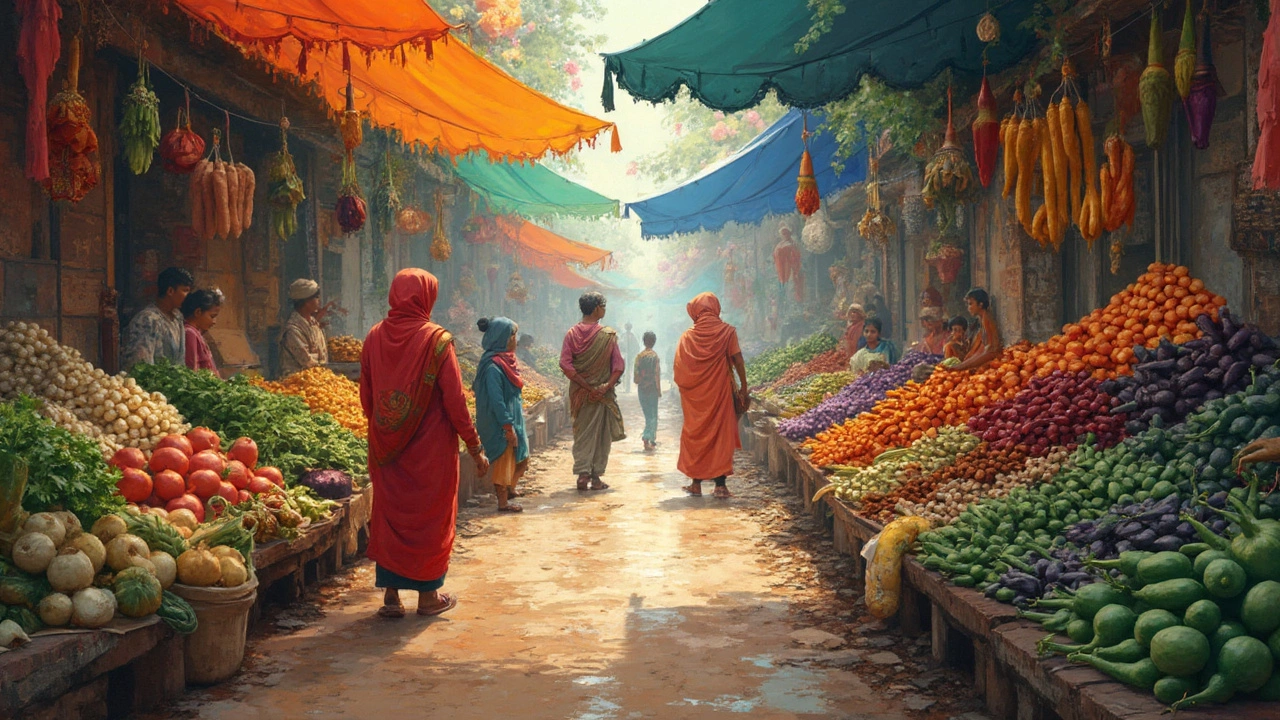
In India, a country known for its diverse cuisine and vast agricultural heritage, determining the king of vegetables is no easy task. This article explores the rich variety of vegetables cultivated across the nation, highlighting the cultural and nutritional significance of each. It delves into why these vegetables hold a special place in Indian households. By presenting practical gardening tips and historical contexts, it offers readers valuable insights into growing these staple vegetables.
Continue reading...