Water Conservation in Gardening: Smart Ways to Save Water and Grow Healthier Plants
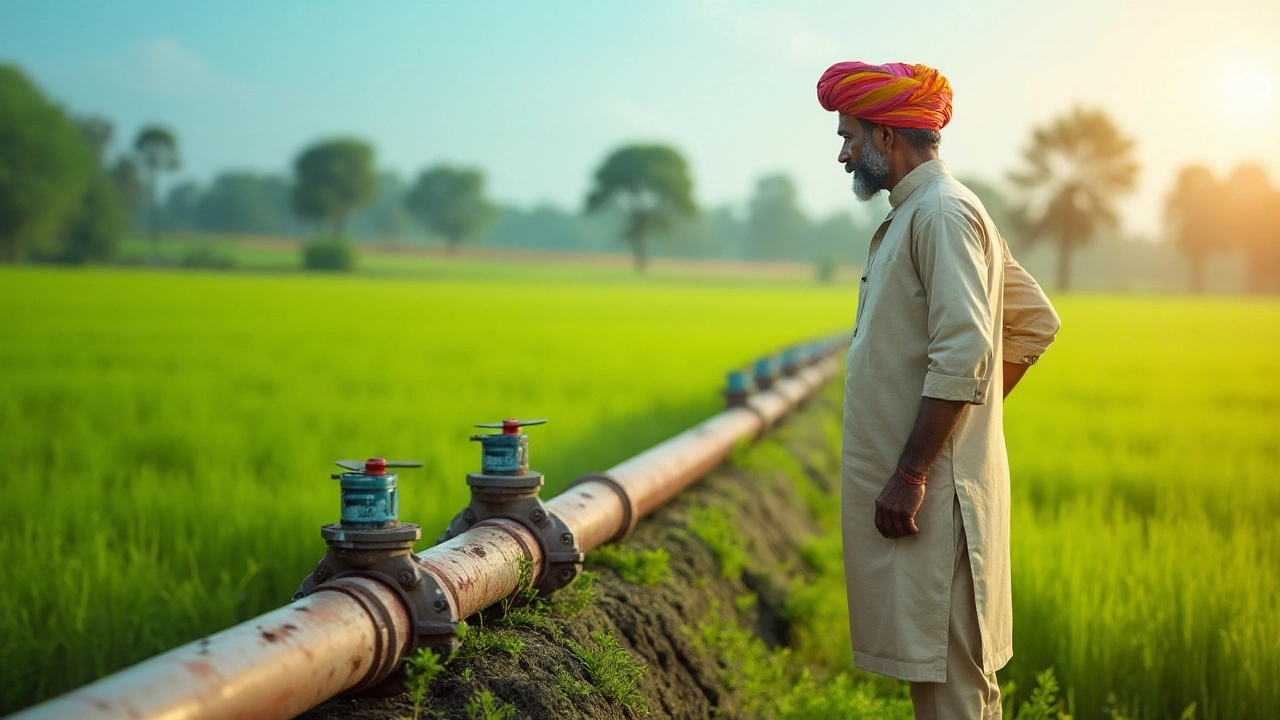
When it comes to water conservation, the practice of reducing water waste in gardening to protect resources and lower bills. Also known as efficient irrigation, it’s not just about turning off the hose—it’s about working with nature, not against it. In India, where monsoons are unpredictable and tap water is often scarce, wasting water on plants isn’t just expensive—it’s irresponsible. Most gardeners think they’re helping their plants by watering daily, but overwatering is the #1 killer of home gardens. The real goal isn’t more water—it’s smarter water use.
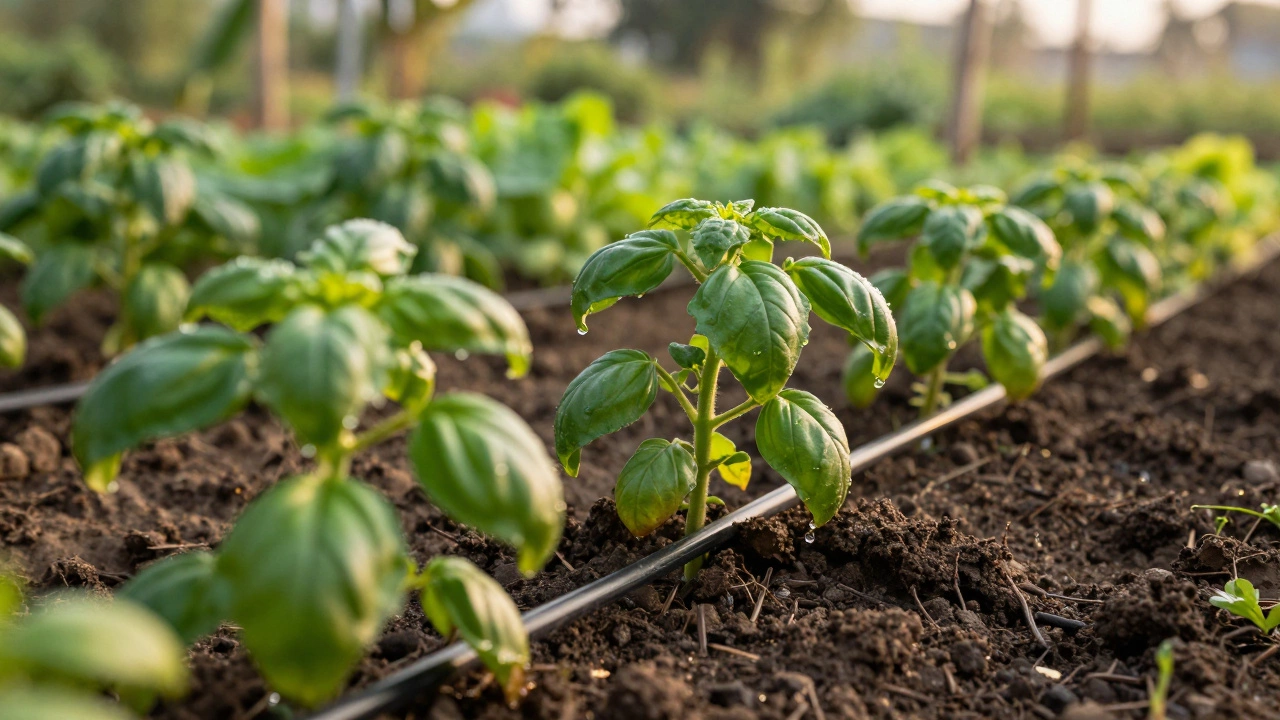
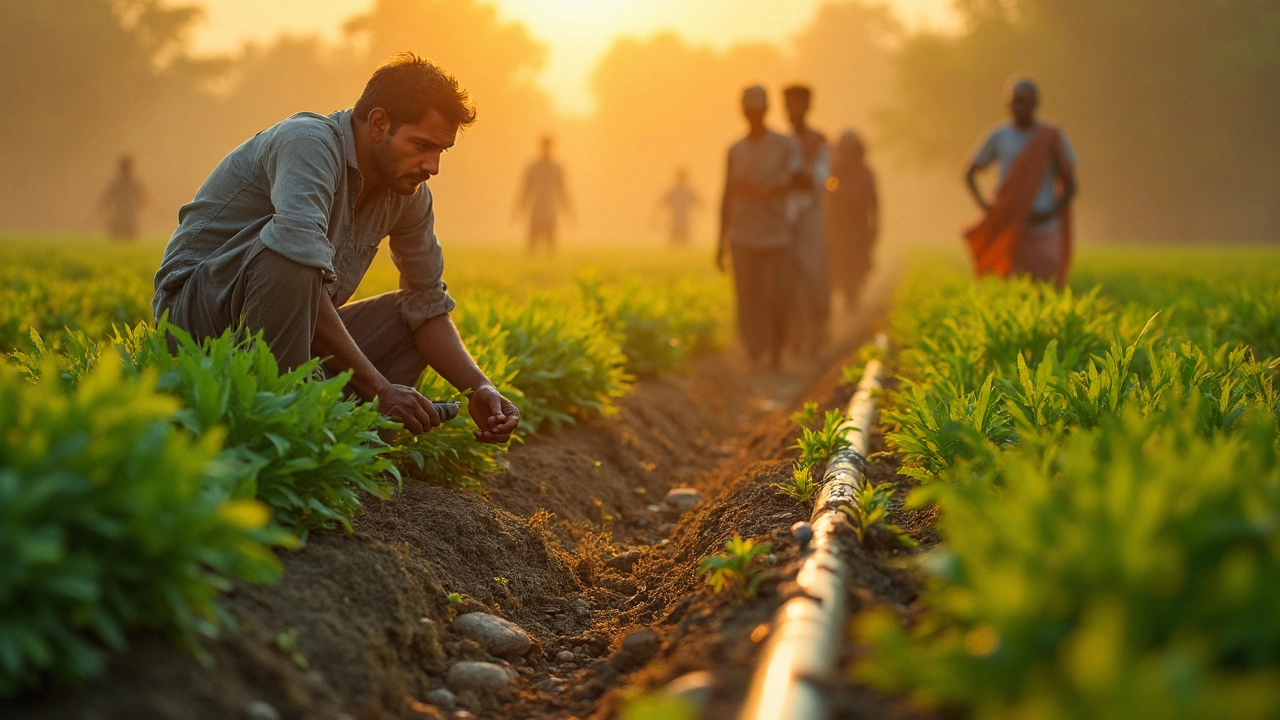
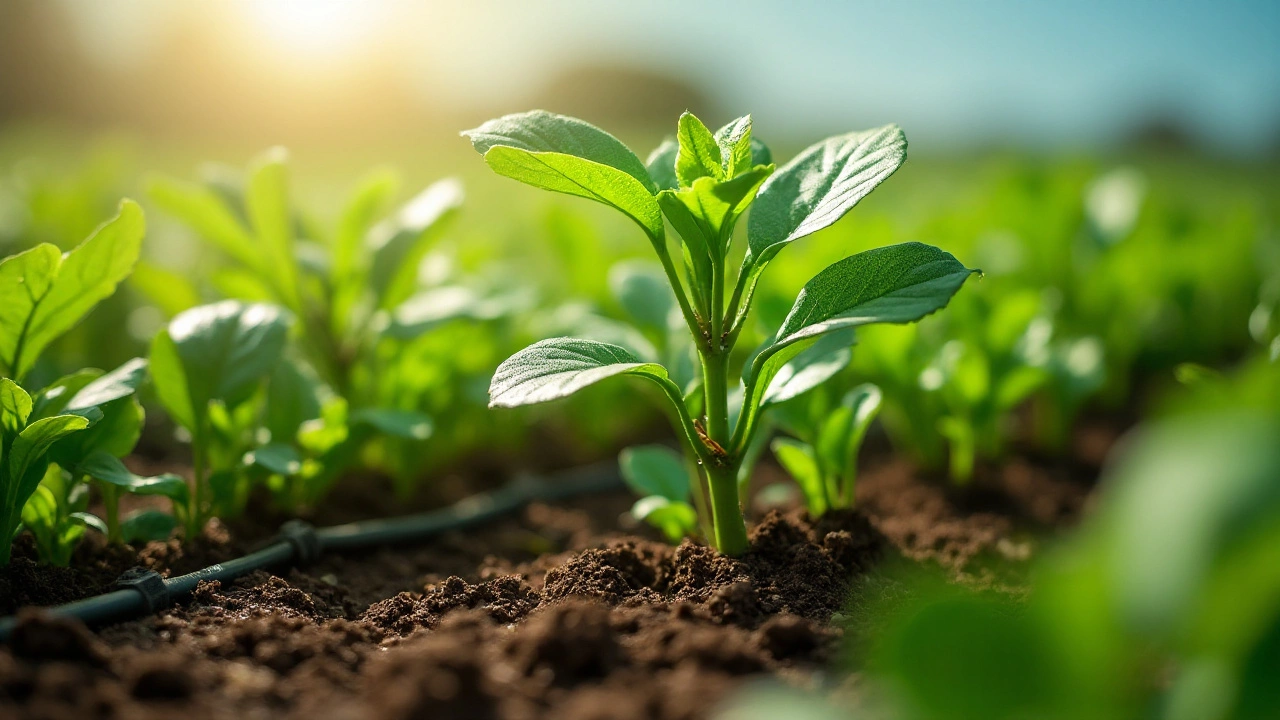
drip irrigation, a system that delivers water slowly and directly to plant roots. Also known as targeted watering, it cuts water use by up to 60% compared to sprinklers. But even drip systems can be misused. Running them every day? That’s a mistake. The right schedule depends on soil type, season, and plant needs. Then there’s mulching, a simple layer of organic material like straw or compost that locks moisture into the soil. Also known as soil blanket, it reduces evaporation, stops weeds, and feeds the soil over time. Combine that with rainwater harvesting, collecting and storing rain from rooftops or balconies for garden use. Also known as rain barrel systems, it turns monsoon downpours into free, chemical-free irrigation for the dry months. And if you’re still using hoses or sprinklers, try soaker hoses, porous tubes that seep water evenly along their length. Also known as slow-release irrigation, they’re cheaper than drip systems and perfect for rows of veggies or flower beds. These aren’t fancy tech tricks—they’re basic, proven methods used by farmers and urban gardeners across India to grow more with less.
What you’ll find below isn’t theory. It’s real advice from gardeners who’ve tried everything and settled on what actually works. You’ll learn how to fix a leaky drip system, how to tell if your soil is holding water or draining too fast, why your bonsai is turning yellow, and which plants need next to no water once they’re established. You’ll see how compost and mulch do more than just look nice—they’re your first line of defense against dry spells. And you’ll discover alternatives to drip irrigation that are even more efficient, cheaper, and easier to install. This isn’t about buying gadgets. It’s about understanding your garden’s rhythm and working with it.
Discover the exact drip irrigation timings for vegetables, herbs, and lawns. Learn how soil type, emitter flow rates, and summer heat affect your watering schedule to save water and boost plant health.
This guide lays out real-world steps to turn any yard into a more environmentally friendly space. It covers picking the right plants, conserving water, ditching pesticides, boosting biodiversity, and handling waste. Readers get clear, actionable tips for changes that matter. Everything’s aimed at helping you help the planet, one yard at a time. All tips come from daily life, not just theory.
Drip irrigation, while celebrated for its water-saving capabilities, isn't without its challenges. From clogging issues to the need for regular maintenance, these systems require careful upkeep. This article dives into the major problem of seepage and system inefficiencies that farmers and garden enthusiasts often face. Discover tips on how to effectively tackle these challenges and make the most out of your drip irrigation setup.
Drip irrigation offers significant benefits like water conservation and improved crop yields. However, not all farms adopt this technology due to costs, technical challenges, and varying crop types. This article explores the reasons behind the slow adoption of drip irrigation, its potential advantages, and practical insights for farmers considering the switch. Understanding these factors can help farmers make informed decisions about implementing drip systems.
Drip irrigation, a widely acclaimed water-saving method, is not without its shortcomings. This technique, although efficient in delivering water directly to plant roots, poses challenges that include clogging, high initial costs, and maintenance demands. Understanding these issues can help gardeners and farmers make informed decisions about integrating drip systems into their practices. This article delves into the practical downsides and provides insights to mitigate potential pitfalls.
Drip irrigation kits offer a revolutionary approach to watering gardens and crops, promoting efficient water use. These systems grant precise delivery of water directly to the roots, helping reduce waste and favoring healthier plant growth. While the initial investment may seem high, the long-term benefits potentially outweigh the costs. Understanding the basics, potential savings, and ease of installation can reveal if these systems are the right choice for your horticultural needs.