Watering Houseplants: How to Get It Right Without Overdoing It
When you think about watering houseplants, the act of providing water to indoor plants to support their growth and health. Also known as indoor plant irrigation, it’s one of the most misunderstood tasks in home gardening. Most people water on a schedule—every Monday, every other week—but plants don’t care about your calendar. They care about their roots, the air around them, and how dry the soil actually is. Overwatering is the #1 killer of houseplants, not lack of light or poor soil. It’s not about how much water you give—it’s about when and how much the plant truly needs.
soil moisture, the amount of water held in the growing medium around plant roots is the real signal. Stick your finger two inches down—if it’s damp, wait. If it’s dry, it’s time. This simple test beats any app, sensor, or advice from a friend who waters their snake plant every three days. Your plant’s environment matters too. A plant in a sunny window in Delhi will dry out faster than the same plant in a shaded Bengaluru apartment. Seasons change everything. In winter, many houseplants slow down. Their roots drink less. Watering the same way you did in summer? You’re drowning them.
overwatered houseplants, plants showing signs of stress from too much water, including root rot and leaf drop look like they’re begging for more water—yellow leaves, drooping stems, even mold on the soil. But they’re not thirsty. They’re suffocating. Roots need air. When soil stays wet for days, oxygen disappears. Fungi move in. Roots rot. And then the plant dies, even though you’ve been the most attentive caregiver. It’s heartbreaking because it’s so avoidable.
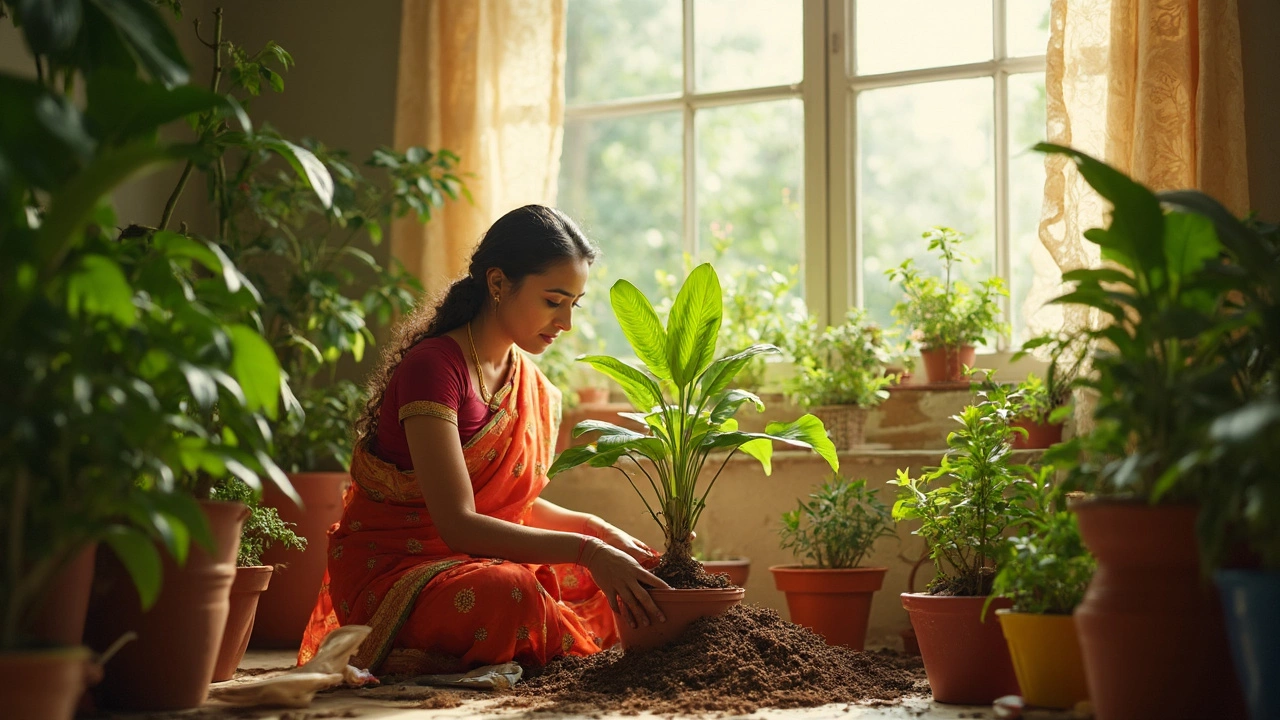
What works? Water deeply, then let the soil dry out. Use pots with drainage holes. Skip the saucers if water sits for more than a few hours. Choose the right soil—not garden dirt, not potting mix labeled for "all plants." A good mix for houseplants drains fast. And don’t just water the top. Sometimes, soaking the pot in a sink for 15 minutes gives roots a full drink without wetting the leaves or crowding the stem.
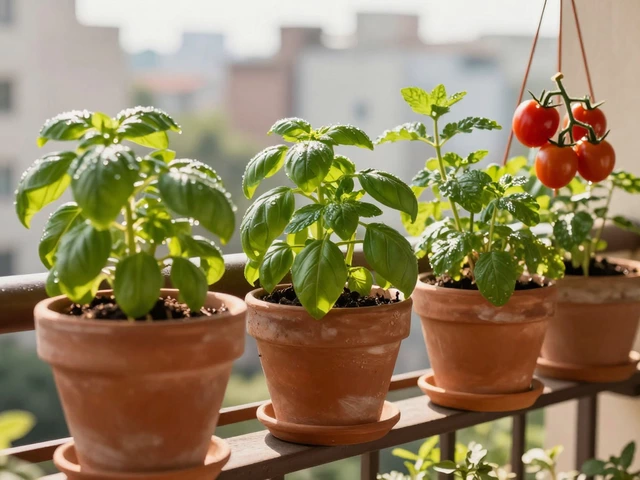
There’s no magic number of times per week. A cactus in a ceramic pot on a balcony might need water once a month. A fern in a plastic pot near a humidifier might need it twice a week. The difference isn’t the plant type alone—it’s the combo of pot, place, season, and soil. That’s why a one-size-fits-all watering rule fails every time.
You’ll find posts here that show you exactly what an overwatered bonsai, a miniature tree stressed by excess water, often with yellowing leaves and mushy roots looks like, why drip systems aren’t always the answer for indoor plants, and how to fix soil that’s turned to concrete after too much watering. You’ll see how rainwater harvesting can help if you’re using tap water full of minerals. You’ll learn why some plants thrive on neglect and others scream for attention. And you’ll get real, no-fluff advice from people who’ve killed their plants—and learned how to bring them back.
Stop guessing. Start checking. Your plants aren’t asking for more water—they’re asking for better timing. And that’s something you can learn, right now, with your fingers in the soil.
Wondering if your houseplant needs water? This guide breaks down simple ways to check soil moisture and spot plant cues without fancy gadgets. Get tips on classic mistakes, understand how lighting and pot size affect watering needs, and learn to trust your senses. Master the art of watering, keep your plants perked up, and avoid common pitfalls. Even beginners will feel confident making sure each plant gets just what it needs.