Indoor Plants Care: Essential Tips for Healthy Houseplants
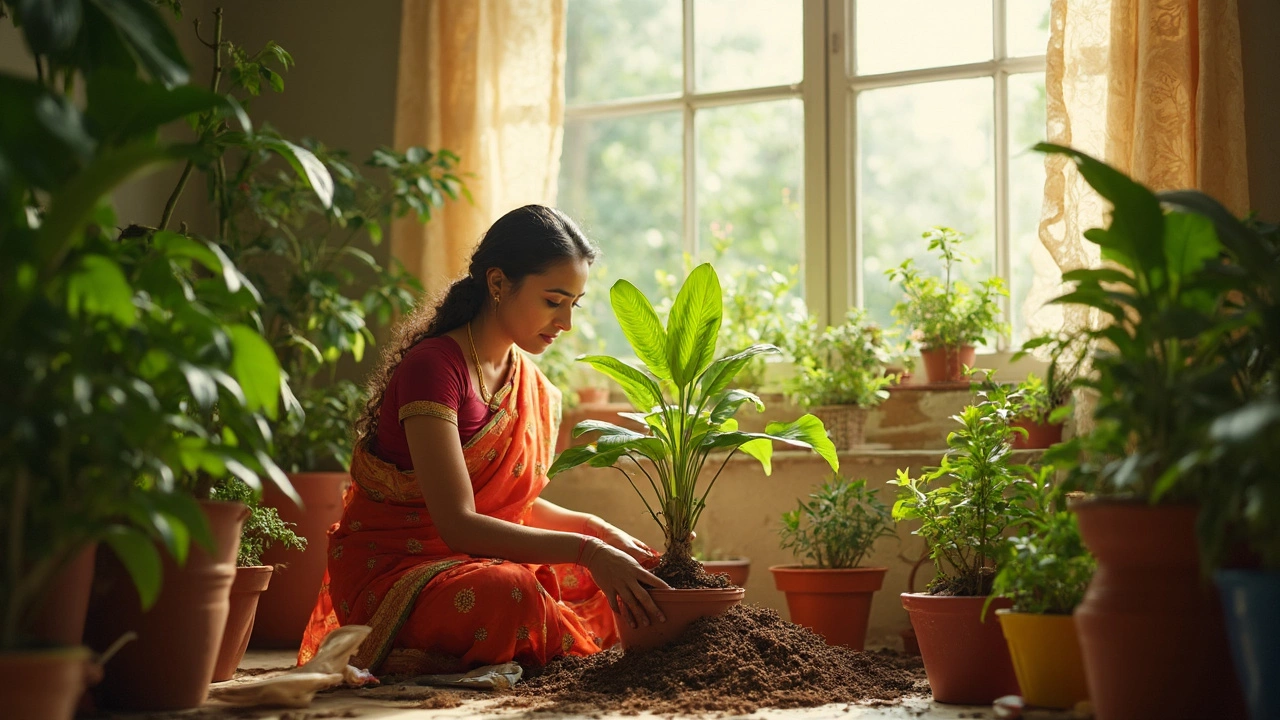
When you bring a houseplant, a living organism grown indoors for decoration and air quality. Also known as indoor plant, it brings life to your space—but only if you understand its basic needs. Most people kill plants not because they’re bad at gardening, but because they treat them like decor instead of living things. Indoor plants care isn’t about fancy pots or expensive soil. It’s about reading the signs: drooping leaves, yellow edges, soggy dirt. These aren’t random failures. They’re messages.
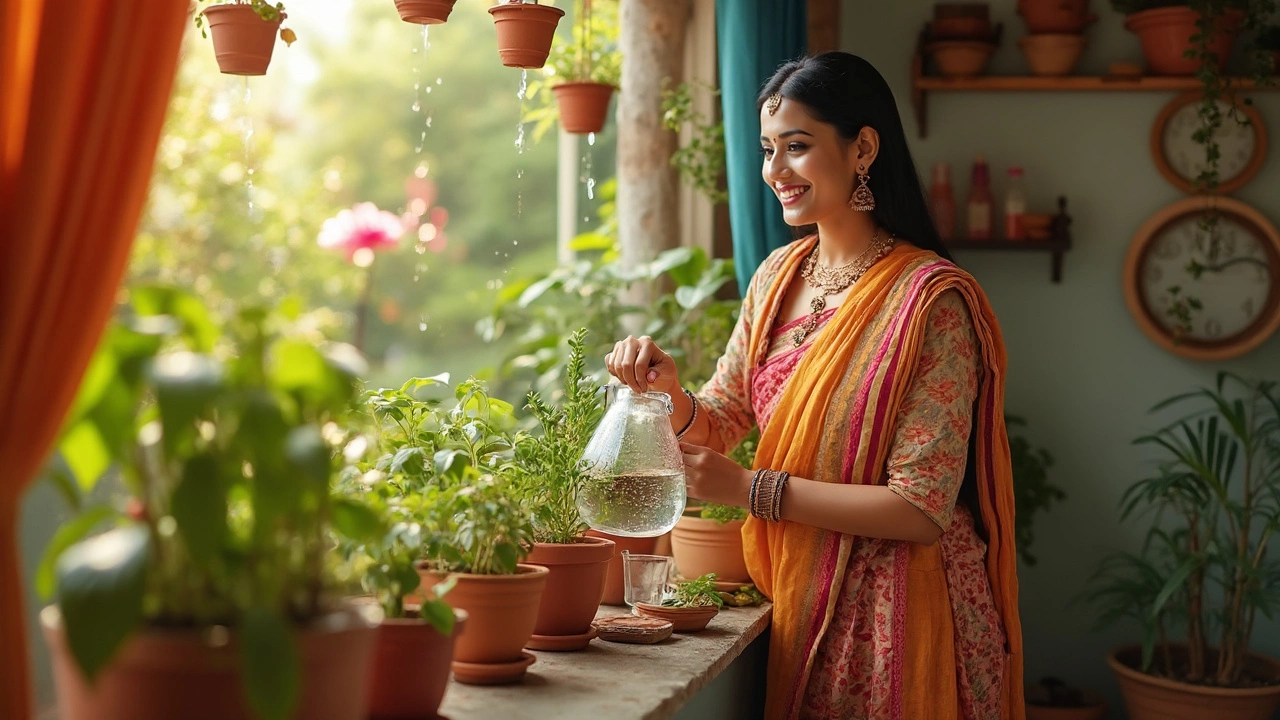
One big mistake? Watering on a schedule. Your plant doesn’t care if it’s Monday or Thursday. It cares about the soil. The watering frequency, how often a plant needs hydration based on environment and species changes with light, pot size, and season. A snake plant in a corner might go weeks without water, while a fern near a window could need it twice a week. Then there’s humidity, the amount of moisture in the air that affects plant health. Not all plants need misting—some actually get sick from it. That’s where pebble trays, a simple tool to increase local humidity around plants using water and stones come in. They’re cheap, silent, and work better than sprayers for most plants. And don’t assume tap water is always safe. Chlorine, fluoride, and hard minerals can build up over time. Rainwater or filtered water often helps, especially for sensitive species.
Overwatering is the #1 killer. It’s not always obvious. A plant with yellow leaves and drooping stems? It’s not thirsty—it’s drowning. The roots rot, and the plant can’t pull up nutrients. That’s why knowing how to check soil moisture matters more than any app or gadget. Stick your finger in. Lift the pot. Look at the leaves. These are your real tools. And if your plant is already struggling? You can often bring it back. It’s not magic. It’s fixing the environment: better light, less water, cleaner air.
What you’ll find below isn’t theory. It’s what actually works in real homes across India. From how to safely bring outdoor plants inside without bugs, to which plants hate misting (yes, some do), to the one plant that survives even if you forget it for months—the snake plant. You’ll learn what to spray on pests, what water to use, and how to spot trouble before it’s too late. No fluff. No jargon. Just clear, practical steps to keep your indoor plants alive, happy, and growing.
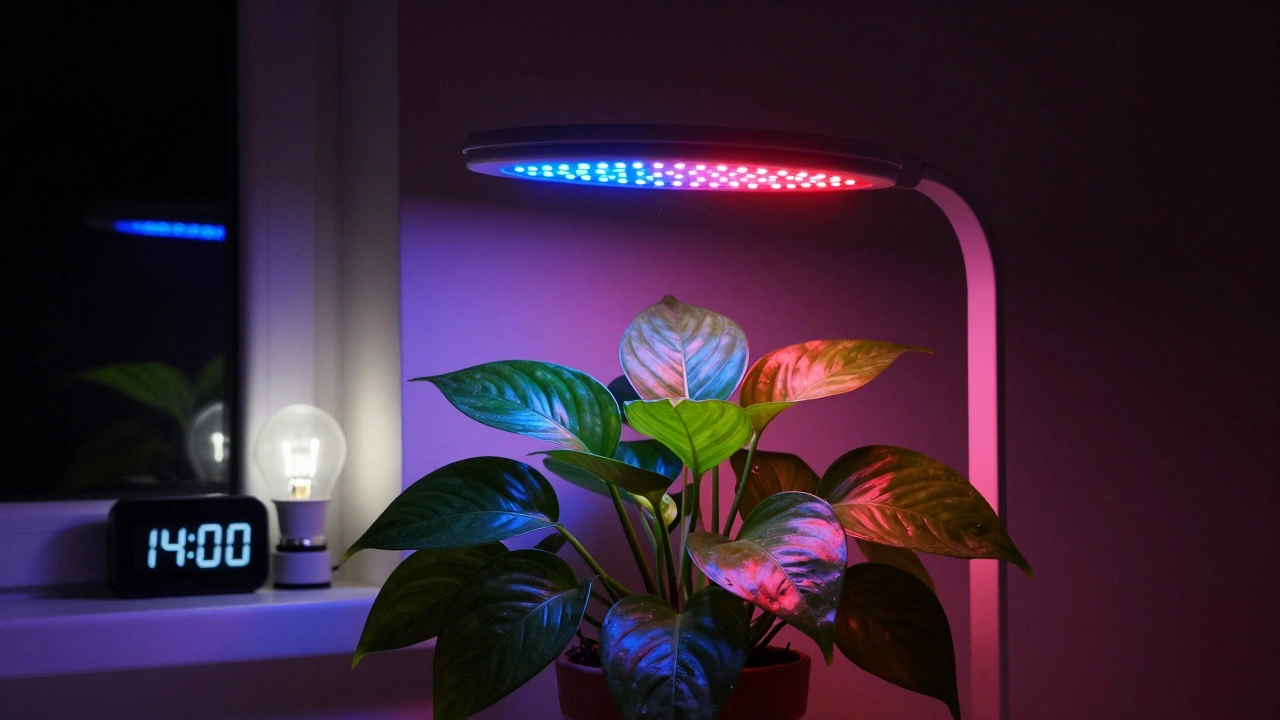
LED grow lights can significantly boost indoor plant growth by delivering the right blue and red wavelengths plants need. Regular LED bulbs won't cut it-only purpose-built lights work. Here's what actually works, based on real tests and science.
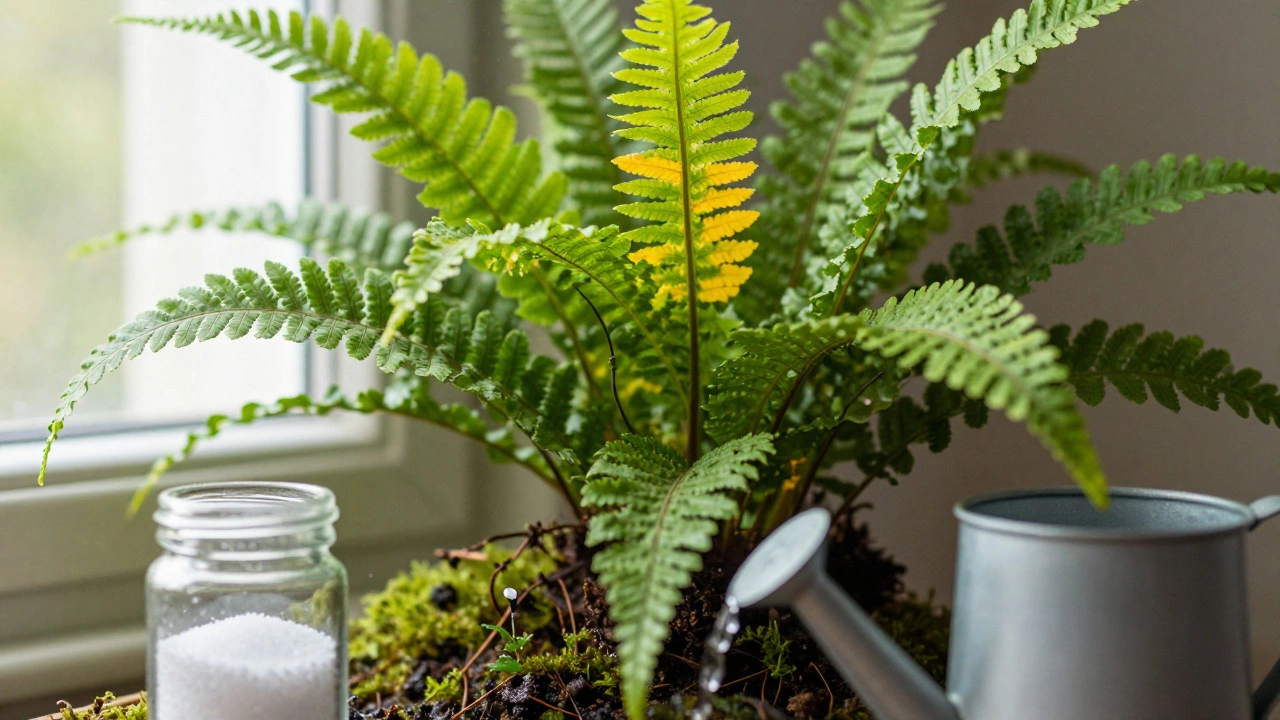
Epsom salt helps ferns fight yellowing leaves by supplying magnesium, a key nutrient for chlorophyll. Learn how to use it safely and when it actually works.
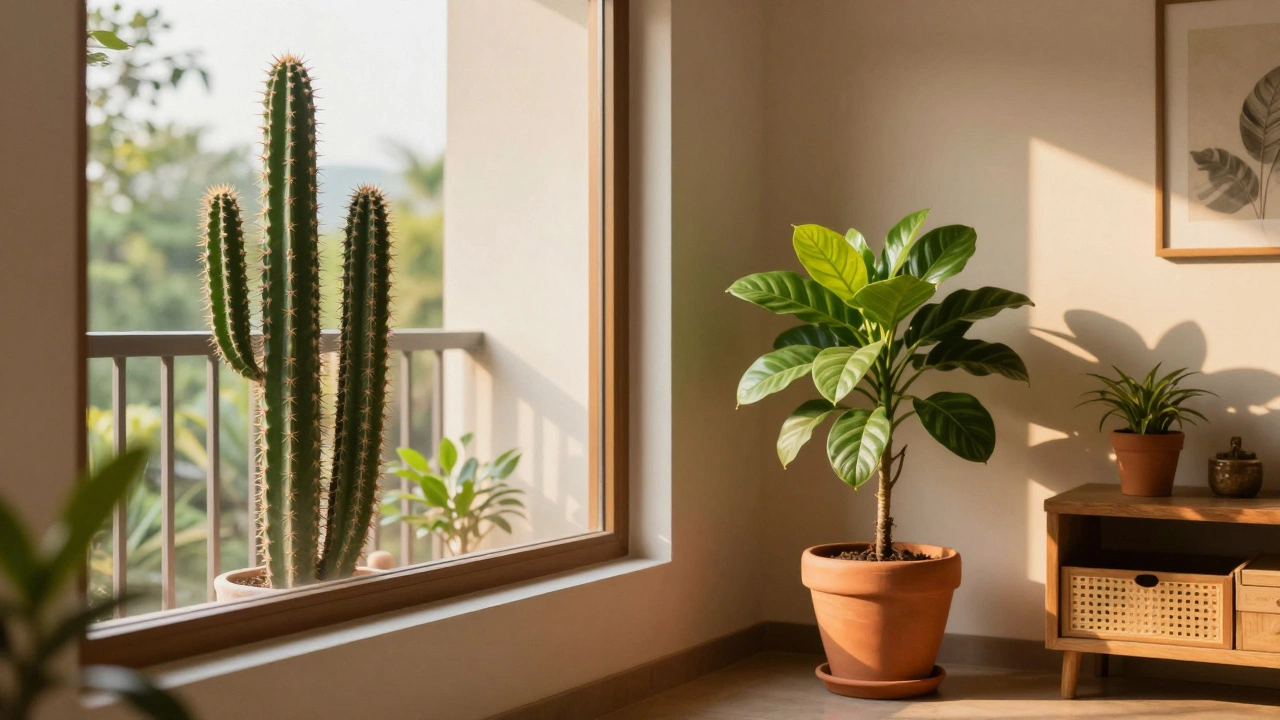
Discover which plants are considered unlucky for Indian homes according to Vastu and cultural traditions. Learn why cactus, tamarind, and white flowers are avoided indoors-and what to grow instead.
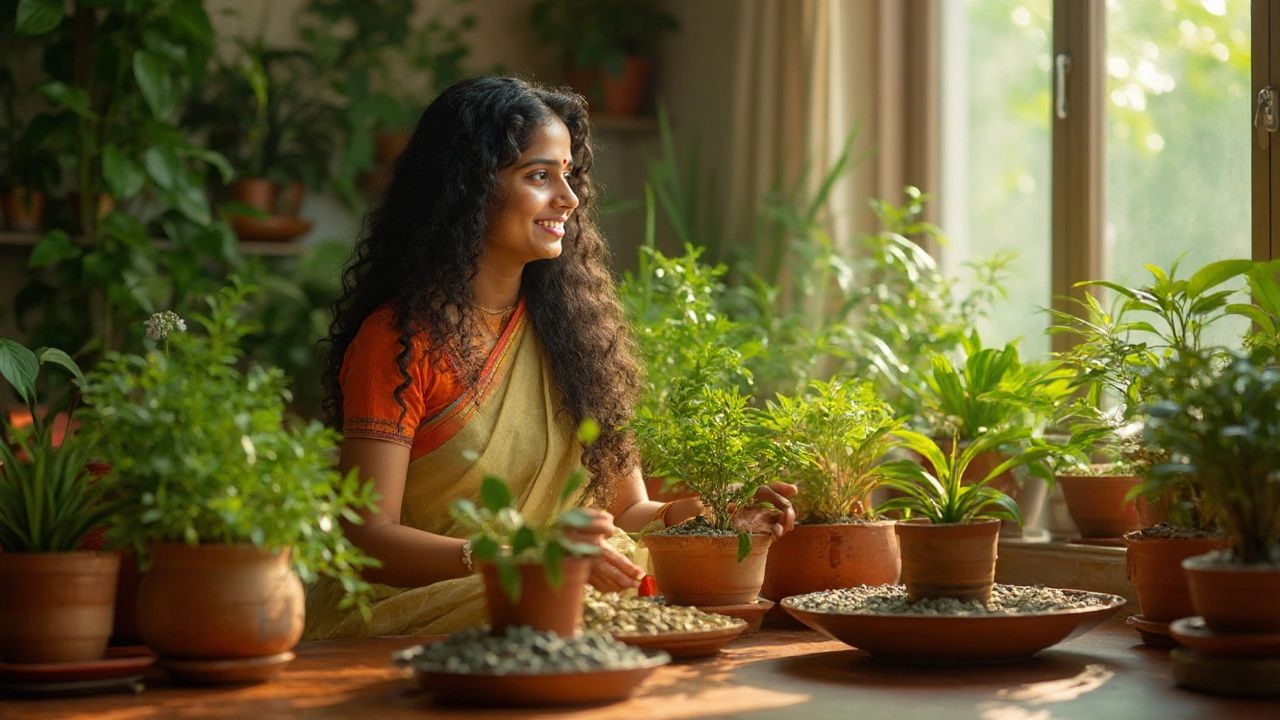
Curious about pebble trays for indoor plant care? Discover how they boost humidity, keep roots healthy, and upgrade your home jungle easily and naturally.
Misting seems harmless, but for some plants, it’s a recipe for trouble. Discover which houseplants hate misting, why they react badly, and better humidity tricks.
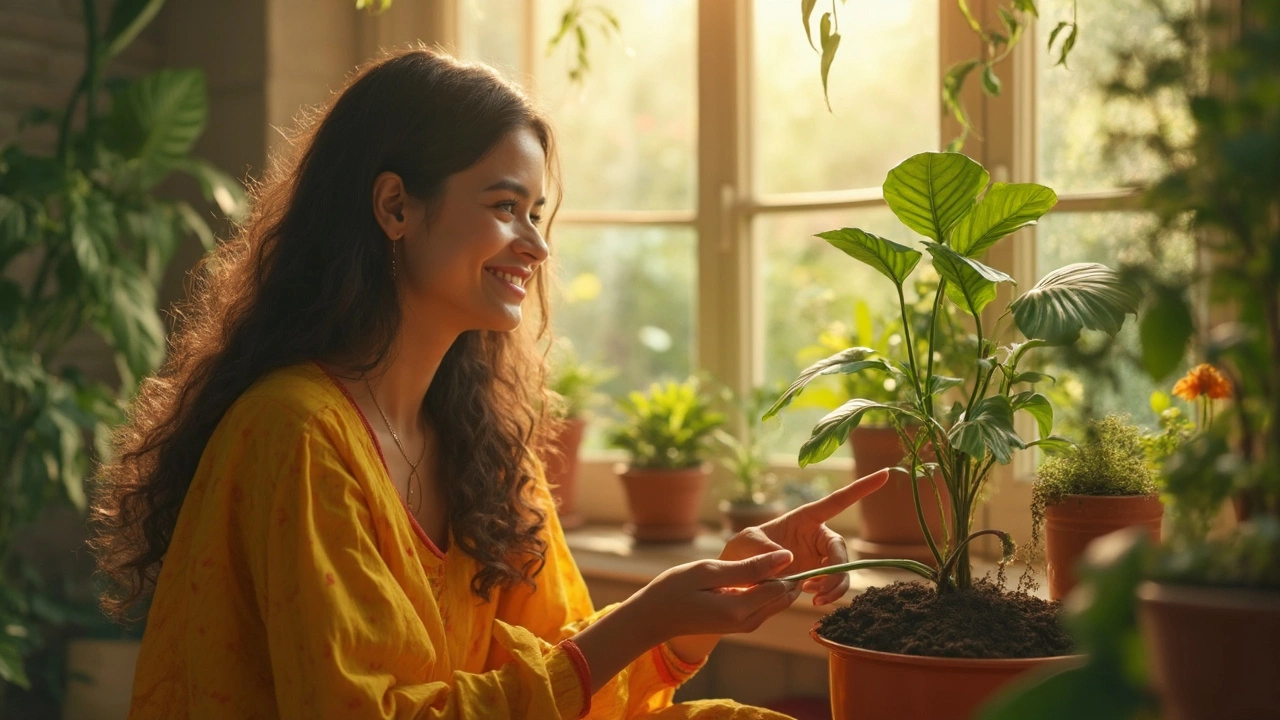
Wondering where to put your happy plant for top-notch growth? This guide breaks down how light, humidity, and common mistakes can impact your plant’s mood. You’ll learn how to spot an unhappy plant and practical tips to keep it thriving. Say goodbye to wilted leaves and hello to a lush, green home companion. Get real advice you can use, no green thumb required.
Not sure when to water your houseplants? This article clears up the confusion with practical advice and real-life examples. You'll learn how to read signs from your plants, find out why a strict weekly schedule doesn't work, and get tips to avoid overwatering or underwatering. Discover the factors that really decide how often to water, plus easy tricks to make watering less stressful. End plant guesswork for good!
Worried about using distilled water for your houseplants? You're not alone. Distilled water is great, but not always easy to find or cheap enough for regular use. There are some simple and safe substitutes you probably already have at home. Here’s a no-nonsense guide on what works, what doesn’t, and how to make your plants happy without shelling out for pricey water.
Wondering if your houseplant needs water? This guide breaks down simple ways to check soil moisture and spot plant cues without fancy gadgets. Get tips on classic mistakes, understand how lighting and pot size affect watering needs, and learn to trust your senses. Master the art of watering, keep your plants perked up, and avoid common pitfalls. Even beginners will feel confident making sure each plant gets just what it needs.
Struggling to keep houseplants alive? Meet the snake plant, the ultimate starter for anyone with a nervous watering hand or a forgetful mind. This article unpacks why the snake plant stands out as the easiest houseplant, with real tips on what keeps it alive in less-than-perfect conditions. You'll find out what makes this plant nearly indestructible and learn simple tricks to keep it thriving. Curious about what NOT to do? We'll cover that too, so you never kill another indoor plant again.
Struggling with wilting leaves or soggy soil? Watering your indoor plants isn’t just about dumping water in a pot—it’s about timing, technique, and understanding what your plant really needs. This guide clears up common myths and reveals simple tips so you can keep your houseplants looking their best. Learn how to avoid classic mistakes and spot signs your plants are thirsty (or drowning). Discover easy tricks to make plant care less of a chore and more of a habit.