Bonsai Care: How to Keep Your Mini Tree Alive and Thriving
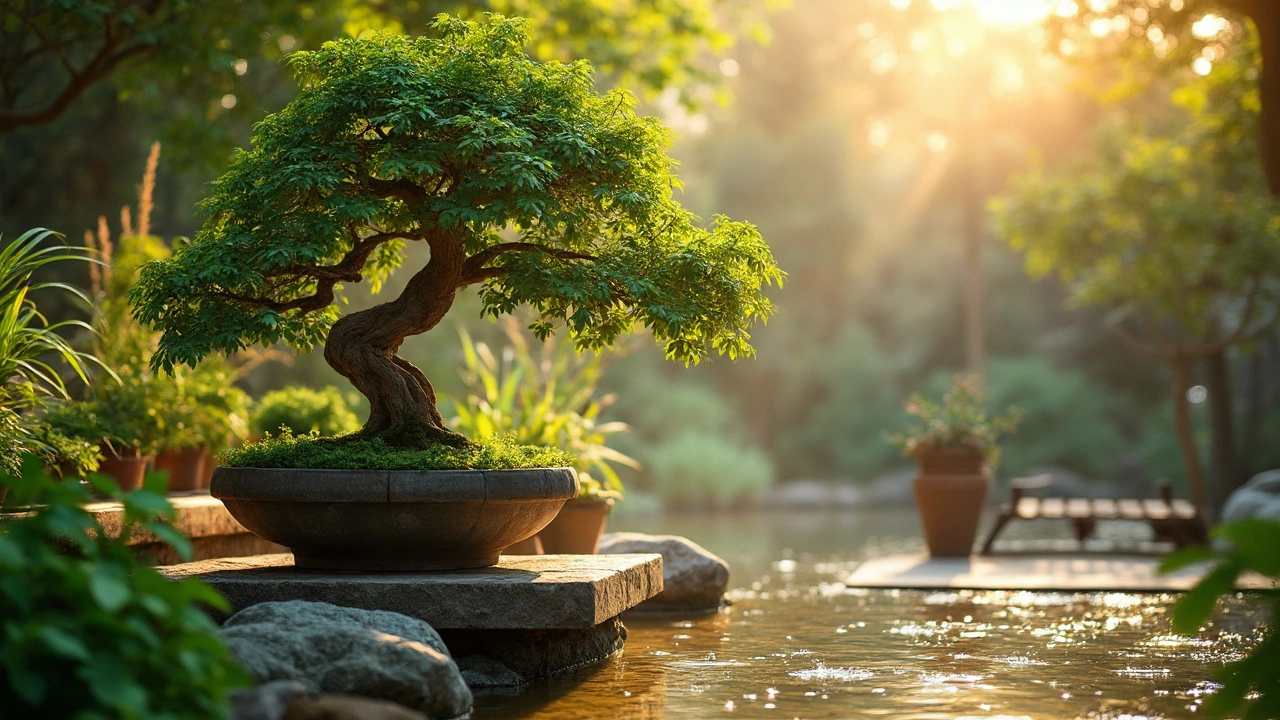
When you think of a bonsai, a miniature tree grown in a pot using careful pruning and root control to mimic the shape of full-sized trees. Also known as penjing, it's not just a plant—it’s a living sculpture that demands attention, not just water. Most people buy a bonsai because it looks elegant, then wonder why it turns brown and drops leaves within weeks. The problem isn’t bad luck. It’s misunderstanding how bonsai work.
Overwatered bonsai, the leading cause of bonsai death, happens when people treat it like a houseplant that needs daily watering. Your bonsai’s roots sit in a tiny pot with limited soil. That soil dries out faster than you think—but it also holds moisture longer than you expect. If you water every day, you’re drowning it. Look for yellow leaves, soft stems, or soil that stays wet for days. That’s not thirst. That’s drowning. And bonsai root rot, a silent killer caused by soggy soil and poor drainage. doesn’t show up until it’s too late. You won’t see mold. You won’t smell decay. The roots just turn to mush inside the pot.
What bonsai really need is a rhythm, not a routine. They thrive on dry periods followed by deep soaks. You don’t water on a schedule. You water when the top inch of soil feels dry. You check it with your finger. You lift the pot to feel its weight. You learn your tree’s language. And when you do, you’ll notice something surprising: bonsai don’t need fancy tools or expensive soil. They need consistency, patience, and a little observation.
The posts below aren’t about fancy pruning techniques or expensive pots. They’re about the basics most guides skip. You’ll find out how to tell if your bonsai is dying before it’s too late, how to fix a waterlogged pot without repotting, and why the "perfect" watering schedule doesn’t exist. You’ll also see how natural insecticides like neem oil can stop pests before they wreck your tree, and why soil health matters more than the shape of your pot. These aren’t theory pages. These are fixes. Real ones. Tested by people who’ve lost trees—and learned how to save the next one.
Considering whether to place your bonsai in direct sunlight? Learn about the ideal light conditions for your bonsai trees, including specific exposure tips. Understand the importance of species-specific needs and recognize signs of too much or too little light. This guide will help you make informed choices about light exposure for healthier bonsai.