Cardboard Compost: How to Turn Boxes into Rich Soil for Your Garden
When you think of cardboard compost, a simple, low-cost method of turning packaging waste into nutrient-rich soil amendment. Also known as brown compost material, it’s one of the most underused tools in home gardening. Most people toss cardboard boxes with the trash, not realizing they’re holding the key to healthier soil, better water retention, and fewer weeds. You don’t need fancy equipment or expensive bags of compost—just clean cardboard, a little water, and patience.
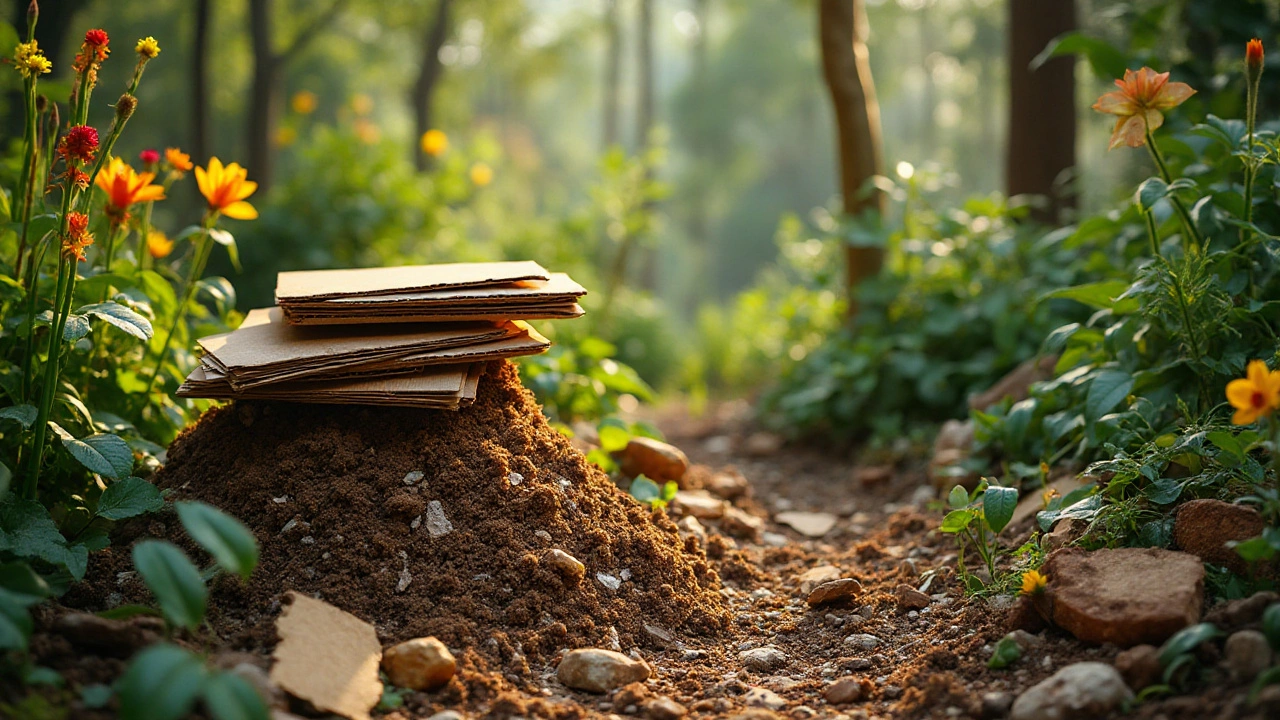
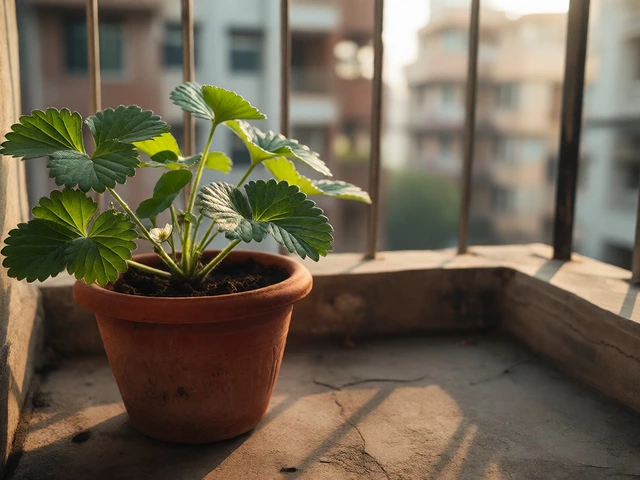
Cardboard compost works because it’s mostly cellulose, which breaks down slowly and feeds the microbes in your soil. It’s not just filler—it’s a carbon powerhouse that balances the nitrogen from kitchen scraps like veggie peels and coffee grounds. When layered right, it creates the perfect environment for earthworms and fungi to do their job. This isn’t theory—it’s what gardeners in Pune and Bangalore are using to turn dry, hard soil into dark, crumbly dirt that holds moisture like a sponge. And it’s not just for big gardens. Even a small balcony container garden benefits when you tuck shredded cardboard under the topsoil.
But here’s the catch: not all cardboard is equal. Avoid glossy, wax-coated, or plastic-laminated boxes—they won’t break down and can leave microplastics behind. Stick to plain, unprinted, or minimally printed cardboard. Remove tape and staples if you can, but don’t stress over a few bits—they’ll degrade over time. Wet it first, tear it into pieces, and layer it with green waste like grass clippings or tea leaves. The result? A compost pile that heats up naturally, smells earthy, and turns into dark humus in 3–6 months. You’ll save money on soil conditioners and reduce landfill waste at the same time.
Cardboard compost also helps with soil improvement, the process of enhancing soil structure, fertility, and biological activity. Compacted soil? Lay down wet cardboard as a weed barrier before planting. It smothers grass and weeds while slowly turning into food for roots. It’s the same trick used in no-dig gardening, and it’s why people in Mumbai are skipping tilling altogether. And if you’re thinking about eco-friendly gardening, a sustainable approach that minimizes chemical inputs and maximizes natural cycles.—cardboard is one of the simplest, most direct ways to start. No plastic mulch. No synthetic fertilizers. Just recycled material doing what nature intended.
You’ll find plenty of real-world examples in the posts below. Some show how to layer cardboard in raised beds. Others explain how to speed up decomposition with compost activators. A few even prove it works in India’s dry climates, where moisture retention is everything. Whether you’re growing veggies on a terrace, trying to revive tired garden soil, or just looking to cut down on trash, cardboard compost is a no-brainer. It’s not glamorous, but it works—and it’s right in your recycling bin.
Cardboard, a common household material, can be a valuable addition to composting if used correctly. It adds carbon, an essential component for a balanced compost pile, and can help improve moisture retention. However, not all cardboard is suited for composting, as certain coatings or inks can hinder the process. With proper precautions and methods, cardboard can play a significant role in building rich, nutrient-dense compost for your garden.
Continue reading...