Container Gardening: Best Plants, Soil Tips, and Watering Secrets for Small Spaces
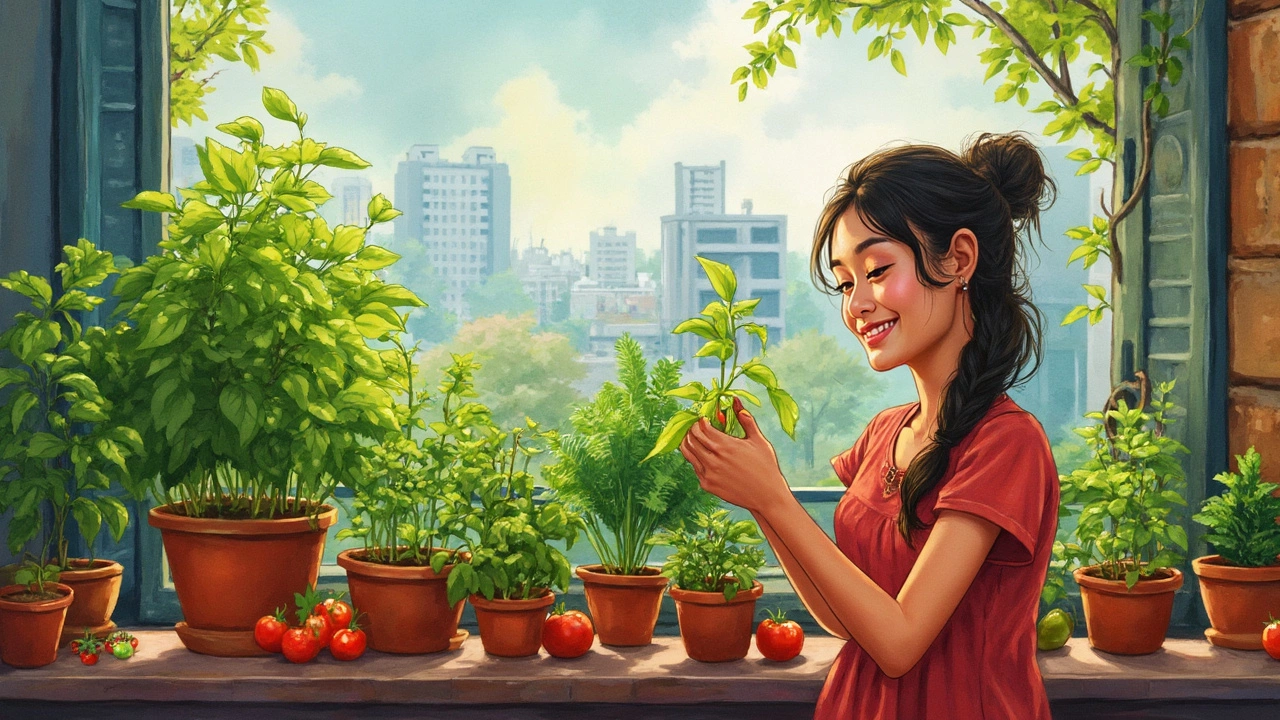
When you start container gardening, growing plants in pots, planters, or other enclosed vessels instead of directly in the ground. Also known as pot gardening, it’s the go-to method for city dwellers, apartment renters, and anyone with limited yard space. You don’t need a big plot to grow tomatoes, herbs, or even chili peppers—just the right container, soil, and a little know-how.
One big mistake people make is treating container plants like they’re in the ground. Soil in pots dries out faster, drains differently, and can get compacted over time. That’s why compacted soil, dense, hard soil that blocks water and root growth is one of the top reasons container gardens fail. Fixing it doesn’t need fancy tools—just adding compost, perlite, or coconut coir keeps roots breathing. And if you’re using drip irrigation, don’t assume daily watering is best. As shown in several posts here, drip irrigation, a system that delivers water slowly through tubes and emitters works best when timed to the plant’s needs, not your schedule. Too much water? You’ll see yellow leaves and mushy roots—same signs as an overwatered bonsai.
Choosing the right plants makes all the difference. Some veggies like tomatoes and peppers thrive in pots if given enough sun and deep containers. Others, like leafy greens, are happy in shallow ones. The key is matching the plant to the space. You’ll find guides here on what grows best on a balcony, how to arrange pots for maximum yield, and even how to cool a hot terrace so your plants don’t wilt. You’ll also learn why pots vs ground, the choice between growing plants in containers versus planting directly in soil isn’t just about space—it’s about control. In pots, you control the soil, the water, and the nutrients. That’s a huge advantage if you’re in a place with poor native soil or extreme weather.
Don’t overlook the basics: drainage holes, the right pot size, and avoiding cheap potting mixes that turn to clay. A 10x10 patio? More than enough room for a thriving garden if you layer your plants smartly. And if you’re worried about water bills, you’ll find ways to cut usage with mulch, rain barrels, and smart watering schedules. This collection pulls from real experiences—what works in India’s heat, what fails in monsoons, and how to keep your plants alive when you’re busy or away.
Whether you’re starting with one pot of basil or turning your entire balcony into a food forest, container gardening gives you power over your green space. No land? No problem. Just pick the right container, fill it with good soil, and water like you mean it—not like you’re on autopilot. Below, you’ll find proven tips, real plant choices, and fixes for the most common mistakes—no fluff, no theory, just what actually grows.
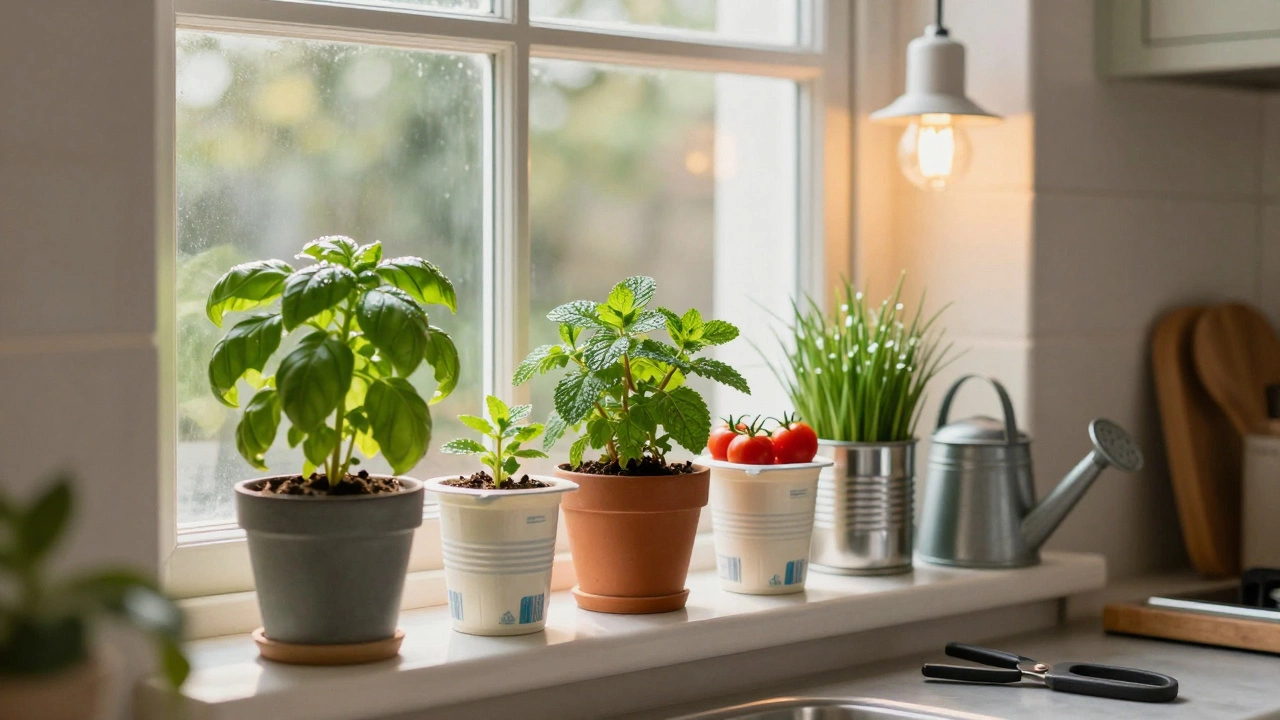
Learn how to grow fresh herbs and vegetables in small spaces with minimal tools. Perfect for city living, this guide shows you exactly what to plant, how to water, and when to harvest for year-round kitchen freshness.
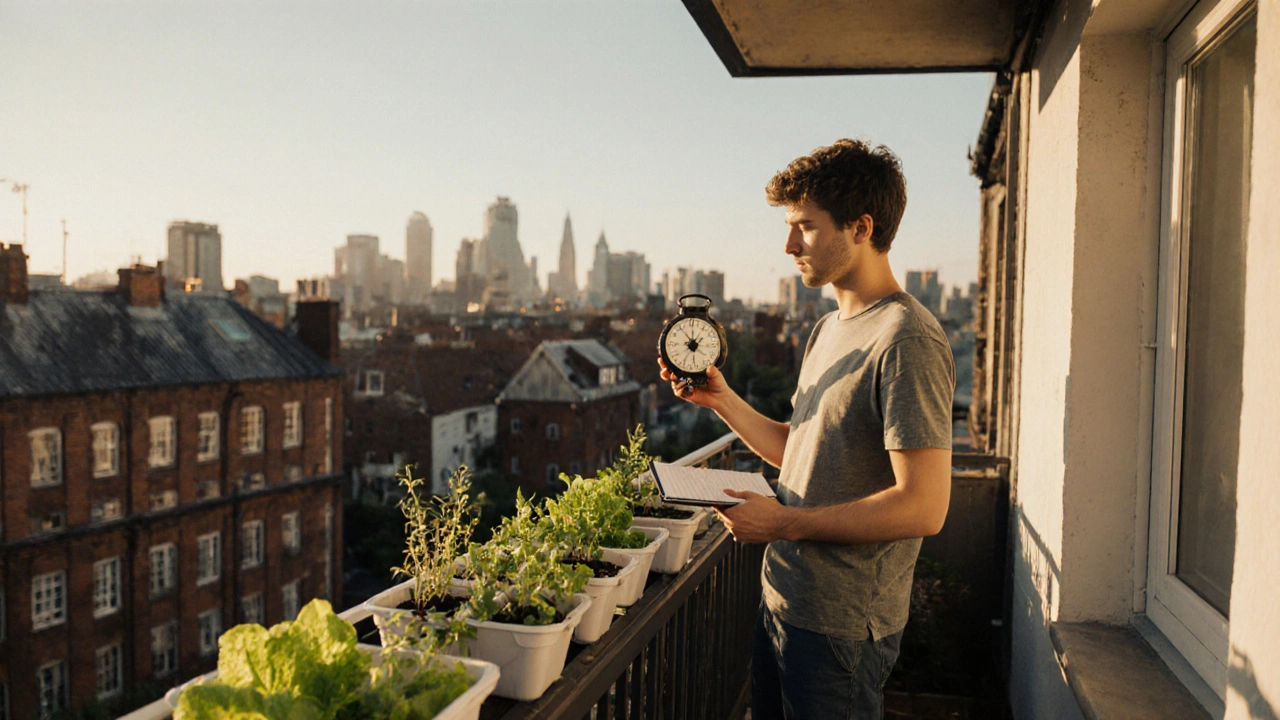
Learn how to grow vegetables on a Manchester balcony with step‑by‑step tips on light, containers, soil, watering, and pest control for a thriving small‑space garden.
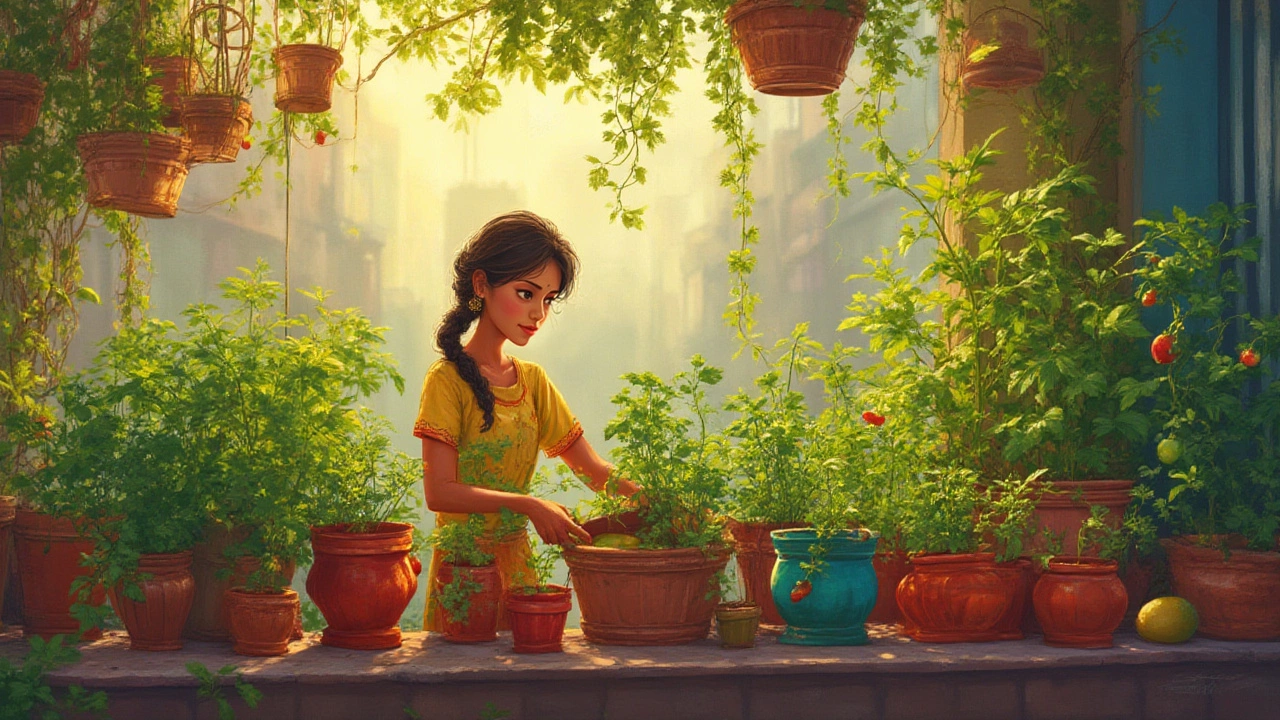
Curious which vegetables thrive in containers? Here’s a deep dive into the very best crops to grow, plus expert tips for lush, healthy harvests—even in tiny spaces.
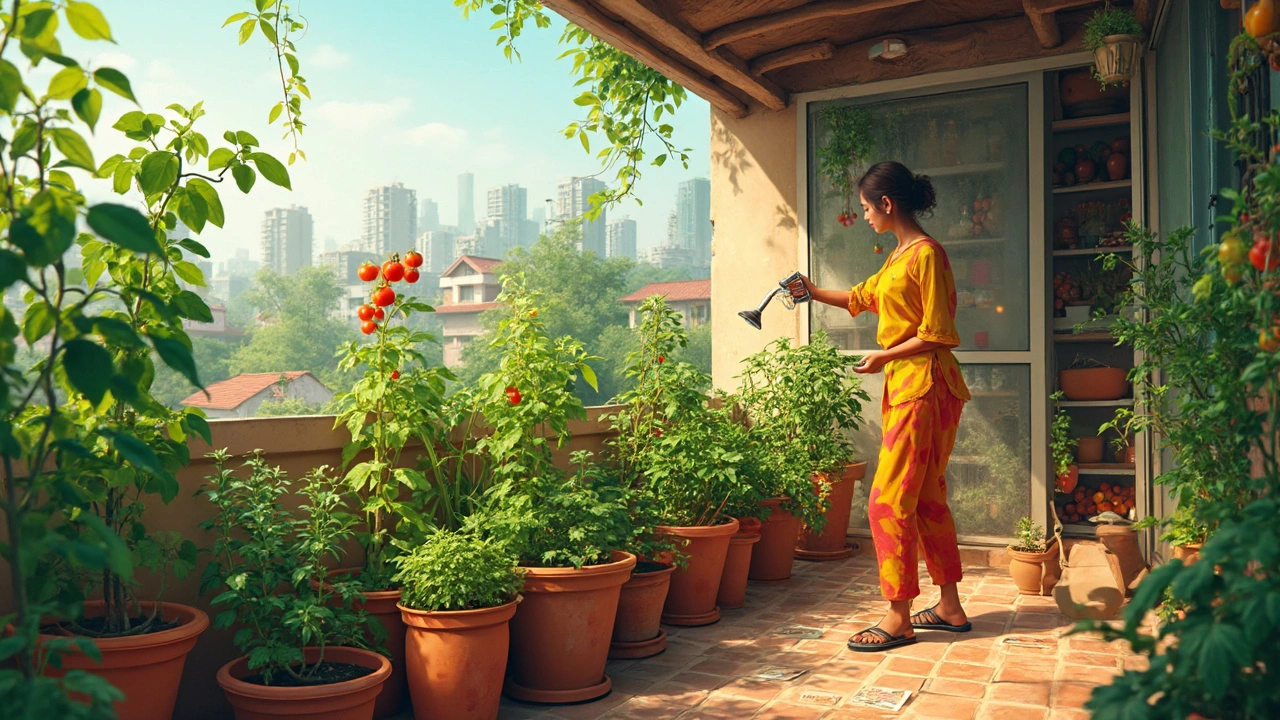
Urban living doesn't mean you can't grow your own food. From selecting containers to harvesting tomatoes, this guide gives you simple steps for balcony gardening success.
Container gardening is a great way to grow vegetables on your balcony, even if you have limited space. Some vegetables are extremely easy to grow in containers, requiring minimal care and producing a fruitful yield. With the right tips and tricks, even beginners can successfully grow their own vegetables at home. This article explores the best vegetables for container gardening and shares valuable insights for creating a thriving balcony garden.