Dripper vs Emitter: Key Differences in Drip Irrigation
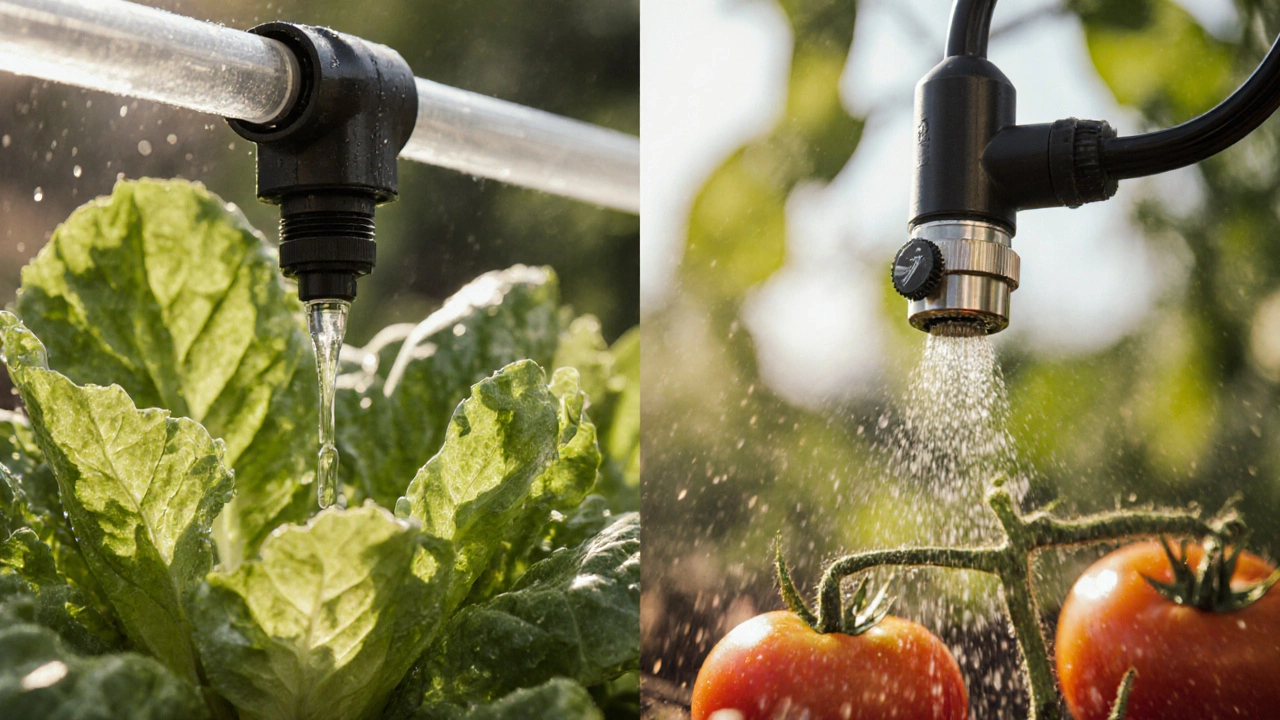
Learn the key differences between drippers and emitters, how they work, when to use each, and tips for installation and maintenance in drip irrigation.
Continue reading...When you hear dripper, a type of irrigation outlet that releases water slowly at a fixed rate or emitter, a precision device that controls water flow to individual plants, you might think they’re the same thing. They’re not. A dripper is often a generic term people use for any slow-release water point, but in real irrigation design, an emitter is the engineered component that delivers exact amounts of water—like a faucet you can tune. This isn’t just semantics; mixing them up can waste water, drown roots, or leave plants thirsty.
Most home gardeners in India use drip systems because they’re efficient, but they don’t always know how to set them up right. An emitter has a specific flow rate—like 1 gallon per hour or 2 liters per hour—and it’s placed right at the base of a plant. A dripper? That’s often a cheaper, less precise version, sometimes just a tube with a pinhole. The difference shows up in plant health. If you’ve got a row of tomatoes and you use mismatched drippers, some get too much water, others get none. Emitters let you match the water to the plant’s needs. You wouldn’t give a cactus the same drink as a banana tree—so why use the same outlet?
It’s not just about the device. The whole system matters. irrigation zone, a section of a drip system where emitters are grouped by plant water needs design is everything. If you put high-flow emitters next to low-flow ones in the same zone, you’re fighting yourself. That’s why post #62436 talks about how many emitters per zone you really need. And if you’re wondering why your drip system clogs or bursts, it’s often because someone used a dripper where an emitter should’ve been—cheap parts, bad results.
So what’s the fix? Start by checking your emitters. Look for the flow rate stamped on them. If it’s not there, you’re probably using drippers. Replace them with labeled emitters. Group plants by water needs—low for succulents, medium for herbs, high for veggies. Use pressure regulators to keep flow steady. And don’t run your system every day. As post #65178 shows, daily watering is usually a mistake. Let the soil breathe. Check it with your fingers. Adjust for monsoon. Let the emitters do their job, not your guesswork.
You’ll find posts here that break down how to calculate emitter spacing, why some systems fail after a season, and what to do when your drip line turns into a leaky hose. Some posts even compare drip irrigation to better alternatives like soaker hoses or rainwater harvesting. But if you’re sticking with drip, knowing the difference between a dripper and an emitter is the first step to making it work. No fluff. No marketing jargon. Just what actually keeps plants alive and your water bill low.
Learn the key differences between drippers and emitters, how they work, when to use each, and tips for installation and maintenance in drip irrigation.
Continue reading...