Epsom salt for plants: How it boosts growth and fixes common garden problems
When you hear Epsom salt, a naturally occurring mineral compound of magnesium and sulfate commonly used in baths and gardening. Also known as magnesium sulfate, it's not just for relaxing sore muscles—it's one of the most underused tools for healthier plants in Indian home gardens. Many gardeners think they need expensive fertilizers to fix yellow leaves or stunted growth. But often, the fix is simpler: your soil is missing magnesium, and Epsom salt delivers it fast.
Plants like tomatoes, peppers, and roses rely on magnesium to make chlorophyll—the green pigment that lets them turn sunlight into food. Without enough, leaves turn yellow between the veins, flowers drop early, and fruits stay small. Epsom salt gives them a quick boost because it’s highly soluble and gets absorbed fast through roots and leaves. Unlike synthetic fertilizers, it doesn’t burn roots or mess up soil pH. It’s safe for veggies, flowers, and even indoor plants. And since it’s just magnesium and sulfate, it doesn’t add unwanted salts or chemicals. You’re not feeding the soil—you’re fixing a specific missing piece.
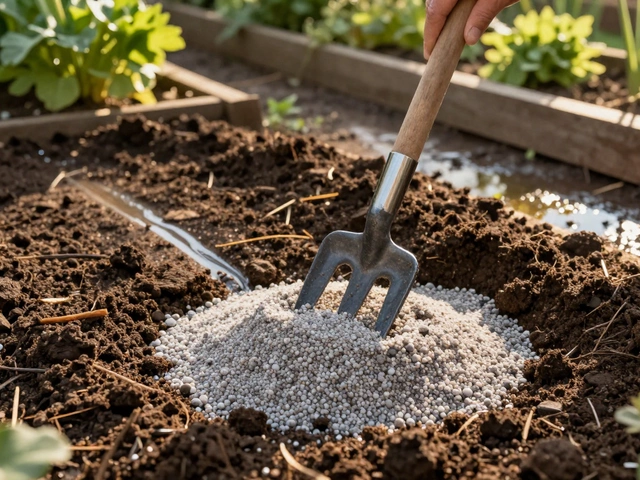
But here’s the catch: Epsom salt isn’t a magic cure for everything. If your soil is already rich in magnesium, adding more won’t help. It won’t fix poor drainage, pests, or overwatering. That’s why you need to spot the real signs: yellowing older leaves, weak stems, or poor fruit set. In India’s varied climates—from dry Punjab to humid Kerala—many gardeners see these symptoms and reach for the wrong solution. Epsom salt works best when used as a targeted fix, not a daily tonic. Apply it every 4–6 weeks as a foliar spray or soil drench, and watch the green return.
Related to this are two other key players: magnesium, an essential plant nutrient critical for photosynthesis and enzyme activation, and sulfate, a form of sulfur that helps plants build proteins and resist disease. These aren’t just chemical names—they’re the reason Epsom salt works. You’ll find them in many of the homemade fertilizer recipes we’ve tested, and they’re often missing in potted plants or heavily farmed soils. Even if you’re using compost, it might not have enough of these two if your soil is sandy or alkaline.
What you’ll find in the posts below aren’t just vague tips. You’ll see real examples: how a Delhi balcony gardener revived her tomato plants with two tablespoons of Epsom salt per gallon of water, how a Pune rose grower cut bud drop by half after monthly applications, and why some gardeners in Tamil Nadu stopped using it after testing their soil. You’ll also learn when NOT to use it—because too much can lock out calcium and hurt your plants. This isn’t guesswork. It’s science, simplified for your garden.