Happy Plant: How to Keep Your Plants Thriving with Smart Care
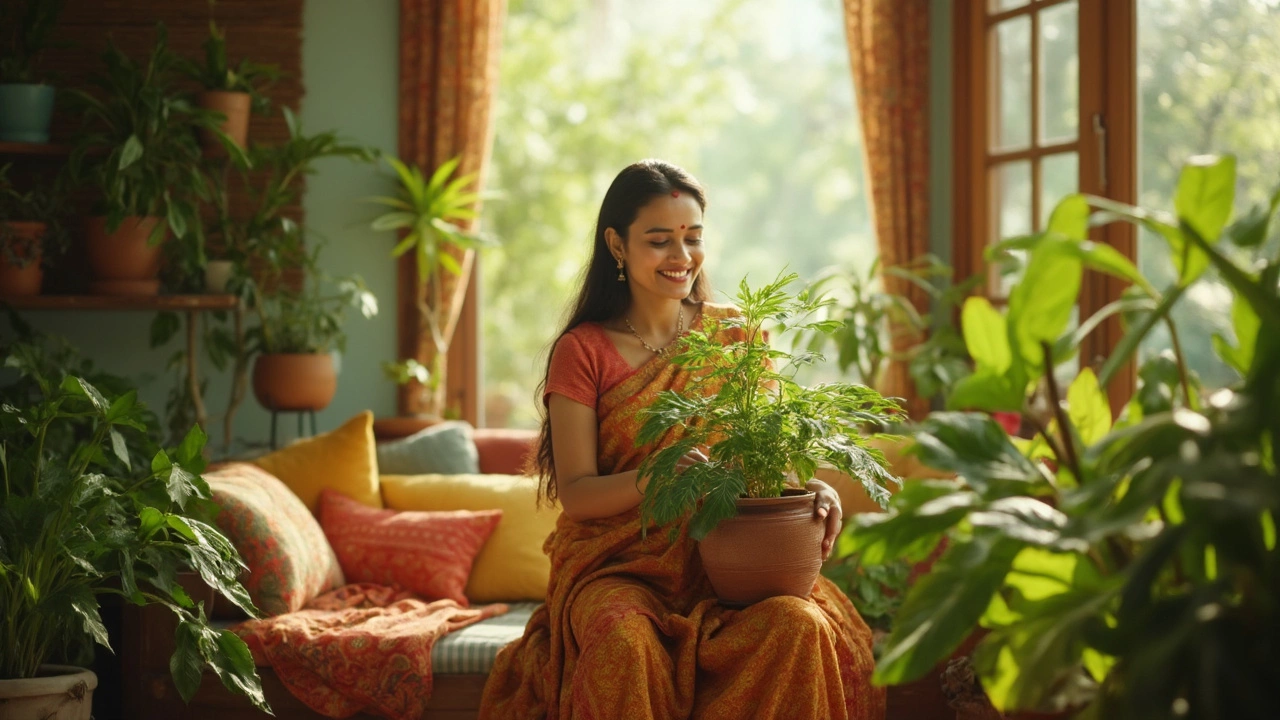
When we talk about a happy plant, a plant that grows vigorously with healthy leaves, strong roots, and no signs of stress. Also known as a thriving plant, it’s not about fancy pots or Instagram lighting—it’s about matching the plant’s needs to what you can realistically give it. Too many people think a happy plant just needs water and sunlight. But that’s like saying a car only needs gas. What about the oil? The tires? The engine tune? The same goes for plants. A happy plant needs the right soil, the right amount of water at the right time, and protection from pests—all without overcomplicating things.
Most gardeners in India struggle because they treat every plant the same. You wouldn’t water a cactus like a fern, so why do it? The soil health, the condition of the growing medium that supports root growth, nutrient uptake, and microbial life is the hidden foundation. Compacted, lifeless soil kills more plants than neglect. That’s why posts on fixing compacted soil and revitalizing old garden soil show up so often here. Healthy soil doesn’t need chemicals—it needs air, compost, and time. And when the soil’s right, even tricky plants like the Vanda orchid or durian tree can surprise you.
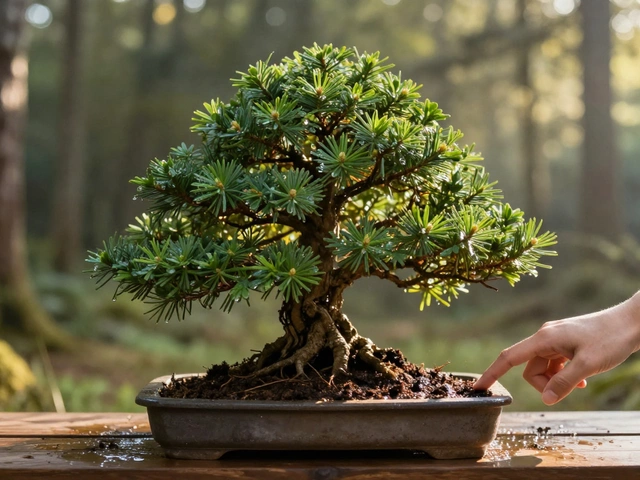
Then there’s watering schedule, the pattern of when and how much water a plant receives, tailored to its species, season, and environment. Running drip irrigation every day? That’s not helping—it’s drowning roots. Soaker hoses, mulching, and rainwater harvesting are smarter. They mimic nature. A happy plant doesn’t want to be soaked—it wants to drink when it’s thirsty and dry out between sips. Overwatered bonsai? Yellow leaves? Mushy roots? Those aren’t accidents. They’re warnings. The same principle applies to balcony veggies, terrace gardens, and even your kitchen herbs.
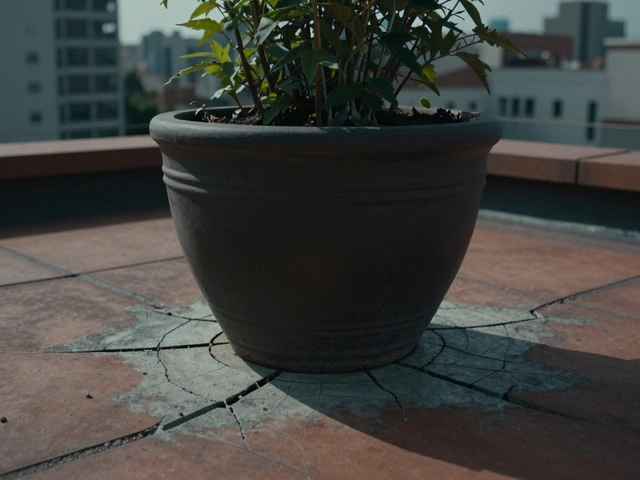
Light, pests, temperature—they all play a part. Neem oil isn’t magic, but it’s one of the few natural tools that actually works against pests without harming bees or soil life. And if you’re growing in a hot balcony, cooling it down isn’t optional—it’s part of plant care. A happy plant isn’t just alive; it’s comfortable. It’s not struggling to breathe, to drink, or to fight off invaders.
What you’ll find below isn’t a list of quick fixes. It’s a collection of real solutions from people who’ve been there—failed with orchids, killed bonsais with kindness, and then figured out what actually works. Whether you’re growing on a 10x10 patio, trying to revive tired soil, or wondering why your jasmine isn’t blooming, the answers are here. No fluff. No theory. Just what keeps plants happy, day after day, season after season.
Wondering where to put your happy plant for top-notch growth? This guide breaks down how light, humidity, and common mistakes can impact your plant’s mood. You’ll learn how to spot an unhappy plant and practical tips to keep it thriving. Say goodbye to wilted leaves and hello to a lush, green home companion. Get real advice you can use, no green thumb required.