Heirloom Rice: Ancient Varieties, Modern Gardens, and Why They Matter in India
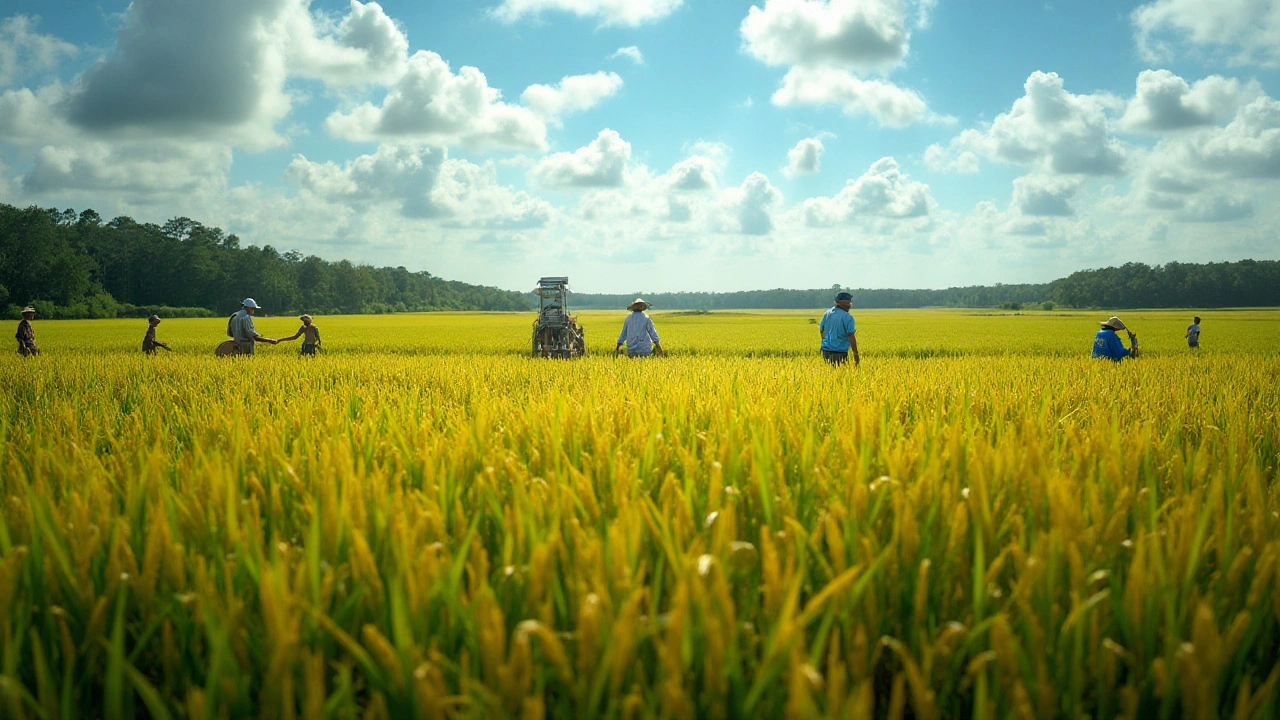
When you think of rice in India, you might picture white grains from a big brand. But heirloom rice, traditional rice varieties passed down through generations, often grown without synthetic inputs and adapted to local climates. Also known as landrace rice, it’s the kind of rice your grandparents ate—full of color, aroma, and character. Unlike modern hybrids bred for uniformity and high yield, heirloom rice thrives on diversity. It’s not just food. It’s memory. It’s soil health. It’s survival.
These rice types—like Kalabati from Odisha, Jeera Samba from Tamil Nadu, or Black Kavuni from Kerala—don’t need chemical fertilizers. They’ve survived floods, droughts, and pests for centuries because they evolved with their environment. That’s why farmers in Kerala and West Bengal are reviving them. They’re not chasing trends. They’re chasing resilience. And they’re not alone. Across India, gardeners and small-scale growers are turning to heirloom rice because it’s cheaper, healthier, and connects them to their roots. These varieties also support pollinators, enrich soil microbes, and need less water than commercial hybrids. That makes them perfect for terrace gardens, backyard plots, and eco-conscious farms.
Heirloom rice doesn’t just grow in fields—it grows in stories. It’s tied to festivals, recipes, and local identities. In Manipur, red rice is used in ancestral offerings. In Uttarakhand, aromatic varieties are ground into flour for traditional breads. And now, with rising concerns about soil degradation and water scarcity, these old seeds are becoming a practical solution. They don’t require drip irrigation systems or complex fertilizers. They just need the right conditions—and a little care. You won’t find them in supermarkets, but you can grow them. And when you do, you’re not just planting rice. You’re protecting biodiversity.
Below, you’ll find real guides from Indian gardeners who’ve brought heirloom rice back to life. Some show how to start from saved seeds. Others explain how to pair them with companion plants, manage pests naturally, or use compost to boost yield without chemicals. You’ll see how these rice types fit into self-sustaining gardens, rainwater-fed plots, and even small balcony setups. This isn’t about nostalgia. It’s about building a food system that lasts.
Carolina Gold Rice is a delicacy with a storied past and a unique flavor profile that is cherished by chefs and food enthusiasts alike. This article dives into the rich history of this heirloom variety, its cultivation practices, and the characteristics that make it stand out. By exploring the cultural significance and culinary uses, readers will gain a deeper understanding of why Carolina Gold Rice continues to captivate the senses. Unearth useful tips on cooking and preserving this special grain to enhance your culinary repertoire. Discover the reasons behind its enduring popularity in Southern cuisine.
Continue reading...