Houseplant Problems: Fix Yellow Leaves, Root Rot, and Other Common Issues
When your houseplant problems, common issues like yellowing leaves, drooping stems, or moldy soil that plague indoor gardeners. Also known as indoor plant distress, these problems aren’t random—they’re signals your plant is asking for help. Most people assume their plant is dying because it’s old or unlucky. But the truth? Over 80% of houseplant deaths are caused by just three things: too much water, not enough light, or poor soil. You’re not failing your plant. You’re just missing the clues.
Take root rot, a silent killer caused by soggy soil that starves roots of oxygen. It doesn’t show up as a wilted leaf right away. Instead, your plant slowly loses vigor, leaves turn yellow, and the stem feels soft. Sound familiar? That’s not a disease—it’s a watering mistake. Same with yellow leaves, a symptom, not the problem itself. They can mean overwatering, underwatering, low light, or even a lack of nutrients. The fix isn’t more fertilizer. It’s figuring out what’s really going on under the soil.
And it’s not just water and light. compacted soil, dense, hard dirt that blocks roots and traps moisture is another silent enemy. Many people use regular potting mix for years without repotting. That soil breaks down, turns to mud, and suffocates the roots. No wonder your plant looks tired. Then there’s pests—tiny bugs that sneak in on new plants or through open windows. Neem oil isn’t magic, but it’s one of the few natural solutions that actually works without harming your family or pets.
What makes houseplant problems so frustrating is that they look different in every home. A plant that thrives on your windowsill might die in your neighbor’s spot—even if they use the same soil and water schedule. Why? Because light changes. Temperature shifts. Humidity drops. Your apartment isn’t a greenhouse. It’s a dynamic space. The key isn’t following rigid rules. It’s learning to read your plant’s language.
You don’t need fancy tools. No soil meters or apps required. Just check the soil with your finger. Look at the leaves. Feel the weight of the pot. Watch how the plant reacts after you water it. These are the real signs. The ones that matter.
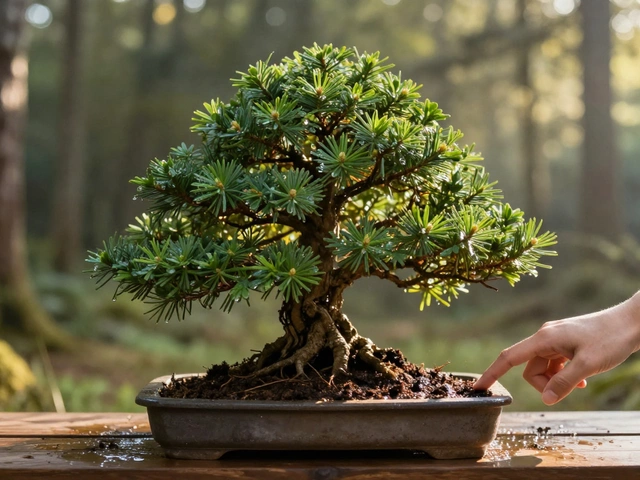
In this collection, you’ll find real fixes for the problems you’re facing right now. No fluff. No theory. Just what works: how to save an overwatered bonsai, how to tell if your plant needs more sun, why drip irrigation can backfire indoors, and how to revive soil that’s been dead for years. You’ll see how neem oil stops pests before they spread, why some plants demand more attention than others, and how to stop guessing and start knowing what your plant needs.
Houseplant problems aren’t a mystery. They’re a conversation. And you’re about to learn how to listen.
Overwatering is one of the biggest culprits when it comes to unhappy houseplants. Recognizing the signs of an overwatered plant can save your greenery from wilting away. In this article, we delve into what an overwatered plant looks like, offering tips to prevent and fix this common issue. Discover easy-to-spot symptoms like yellow leaves and wilting that might not mean what you think.