Humidity Tray: What It Is and How It Helps Your Plants Thrive
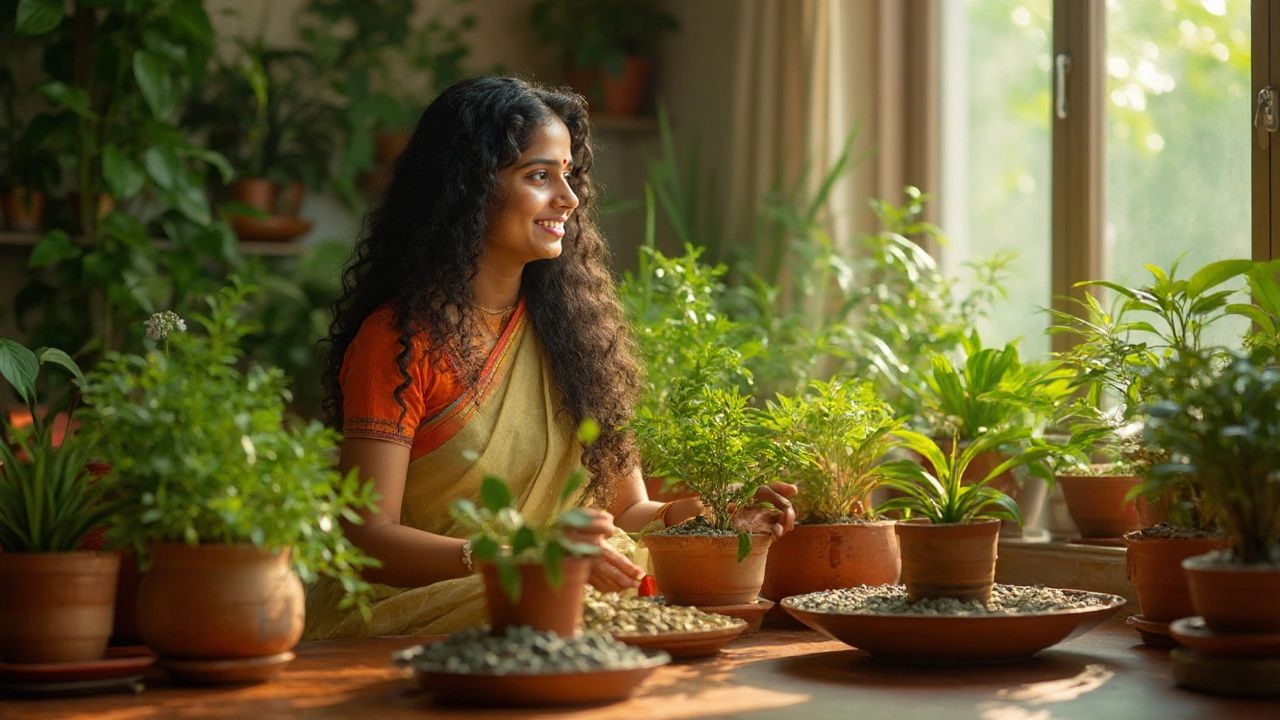
When you’re growing humidity tray, a simple shallow dish filled with water and pebbles that raises moisture levels around potted plants. It’s not fancy, but for plants like Vanda orchid or tropical ferns, it’s often the difference between survival and decline. Most indoor gardeners in India struggle with dry air—especially in winter or in air-conditioned homes. Your plant might be getting enough water, but if the air is too dry, its leaves curl, tips turn brown, and flowers drop. A humidity tray fixes that without a humidifier or extra electricity.
It works by evaporation. Water sits in the tray, not touching the pot’s bottom, so roots don’t drown. The pebbles lift the pot above the water, letting moisture rise slowly into the air around the plant. This mimics the damp forest floor where these plants evolved. You’ll find this method mentioned in posts about orchid care and toughest plant to grow in India, because the Vanda orchid demands constant humidity. It’s not just for orchids, though. Ferns, calatheas, and even young citrus trees benefit. The key is matching the tray to the plant’s needs—not overdoing it. Too much moisture near the soil invites fungus and root rot, especially in poorly drained pots.
What you’ll find in the posts below are real solutions from gardeners who’ve tried everything. They’ve tested humidity trays against misters, pebble grids, and even bathroom growing setups. You’ll learn which plants absolutely need one, which ones just tolerate it, and how to avoid the most common mistake: letting the pot sit directly in water. There’s also advice on what kind of pebbles to use, how often to refill the tray, and how to clean it so algae doesn’t take over. If you’ve ever watched your plant’s leaves crisp up despite regular watering, this collection gives you the fix—no gadgets, no guesswork, just plain science that works in Indian homes.
Curious about pebble trays for indoor plant care? Discover how they boost humidity, keep roots healthy, and upgrade your home jungle easily and naturally.
Continue reading...