Indoor Plant Care: Essential Tips for Healthy Houseplants in India
When it comes to indoor plant care, the practice of maintaining healthy plants inside homes and offices, especially in India’s variable climate. Also known as houseplant care, it’s not about keeping greenery alive—it’s about understanding why most plants die within weeks of being brought home. In India, where humidity swings from monsoon drenching to winter dryness, treating every plant like a tropical fern is a recipe for failure. You don’t need fancy gadgets or expensive soil mixes. You need to stop guessing and start observing.
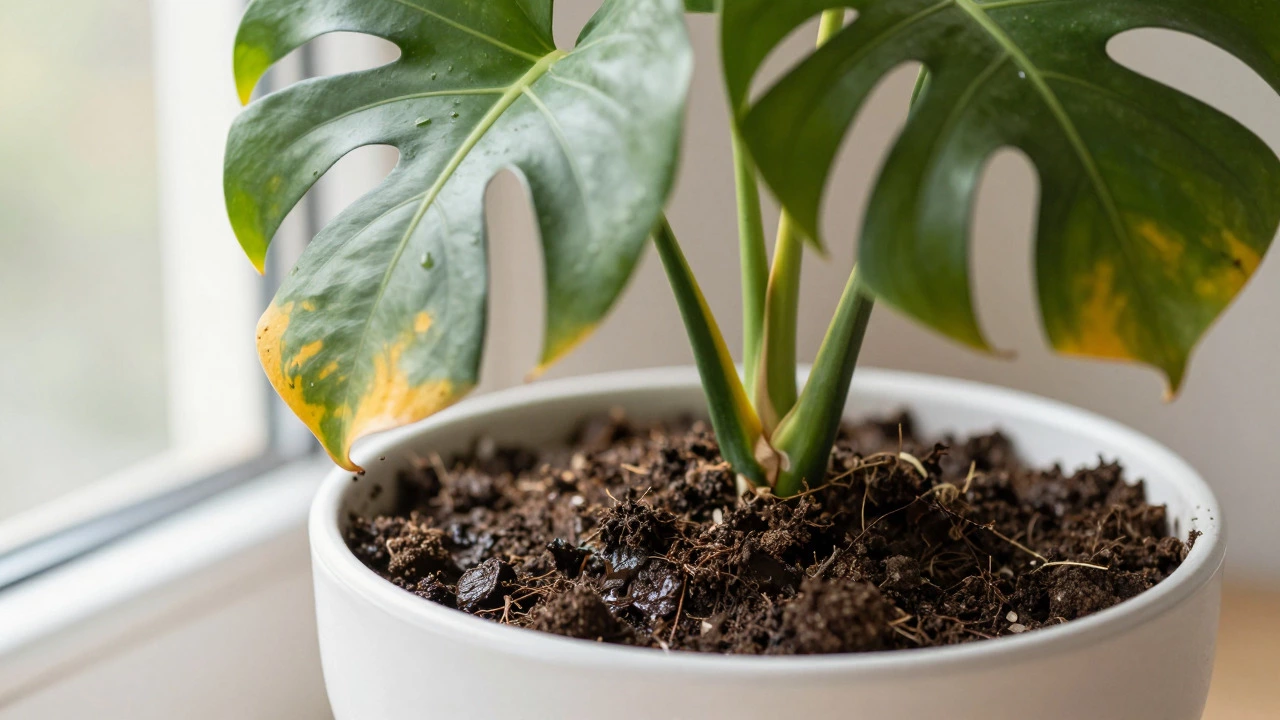
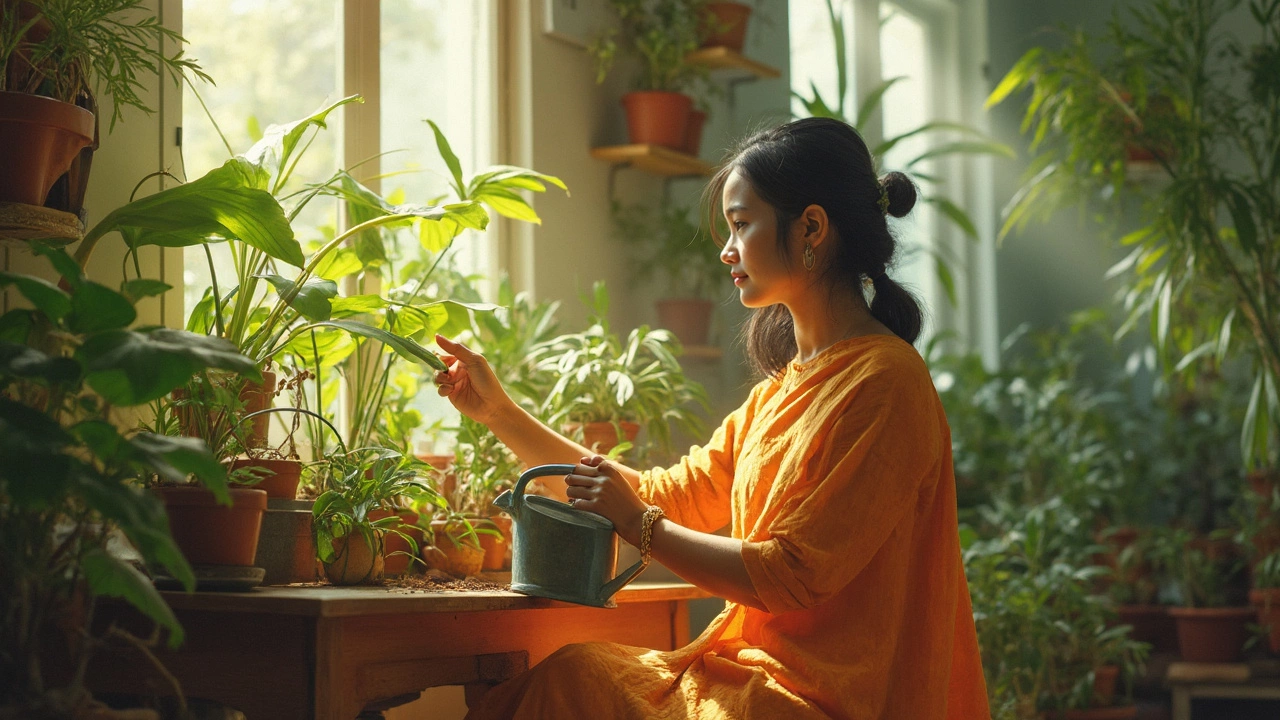
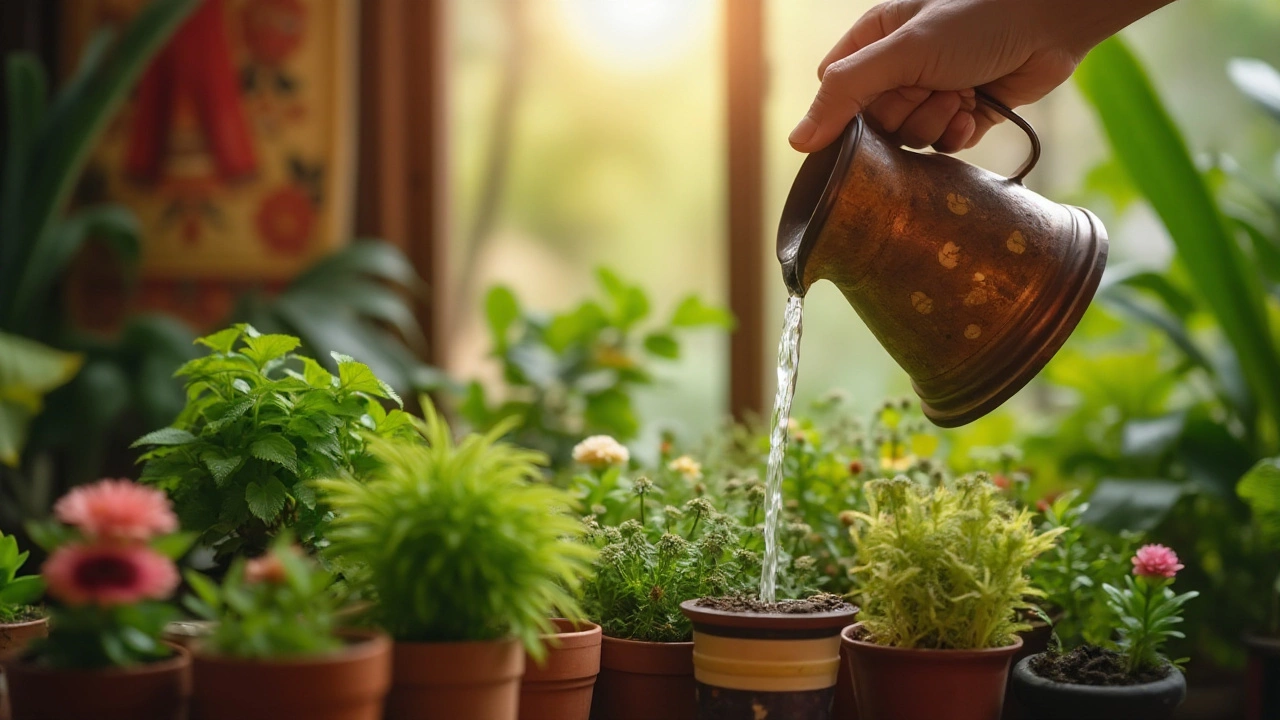
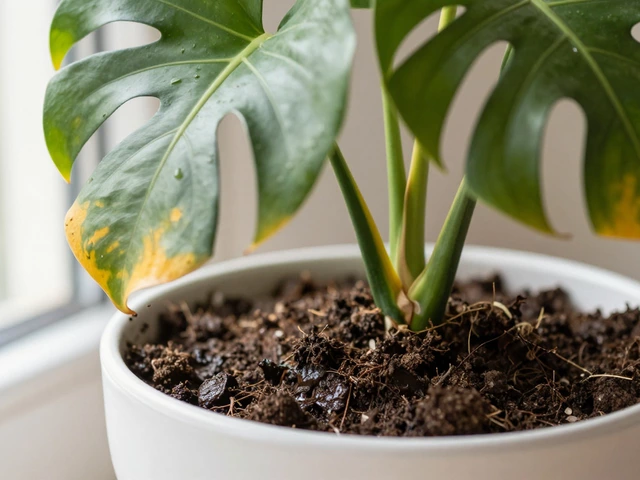
Watering, the most common mistake in indoor plant care isn’t about timing—it’s about moisture levels. Running a drip system every day? That’s not gardening, that’s drowning. Most indoor plants in India thrive with deep, infrequent watering, not daily sprinkles. Check the top two inches of soil—if it’s dry, water. If it’s damp, wait. Overwatering kills more houseplants than neglect. Look for yellowing leaves, soggy soil, or mushy roots—these aren’t signs of thirst, they’re SOS signals. The same goes for soil for indoor plants, a mix designed for drainage and aeration, not garden dirt. Regular garden soil compacts in pots, suffocating roots. Use a blend with perlite, coco coir, or bark—it’s cheap, easy to find, and makes all the difference.
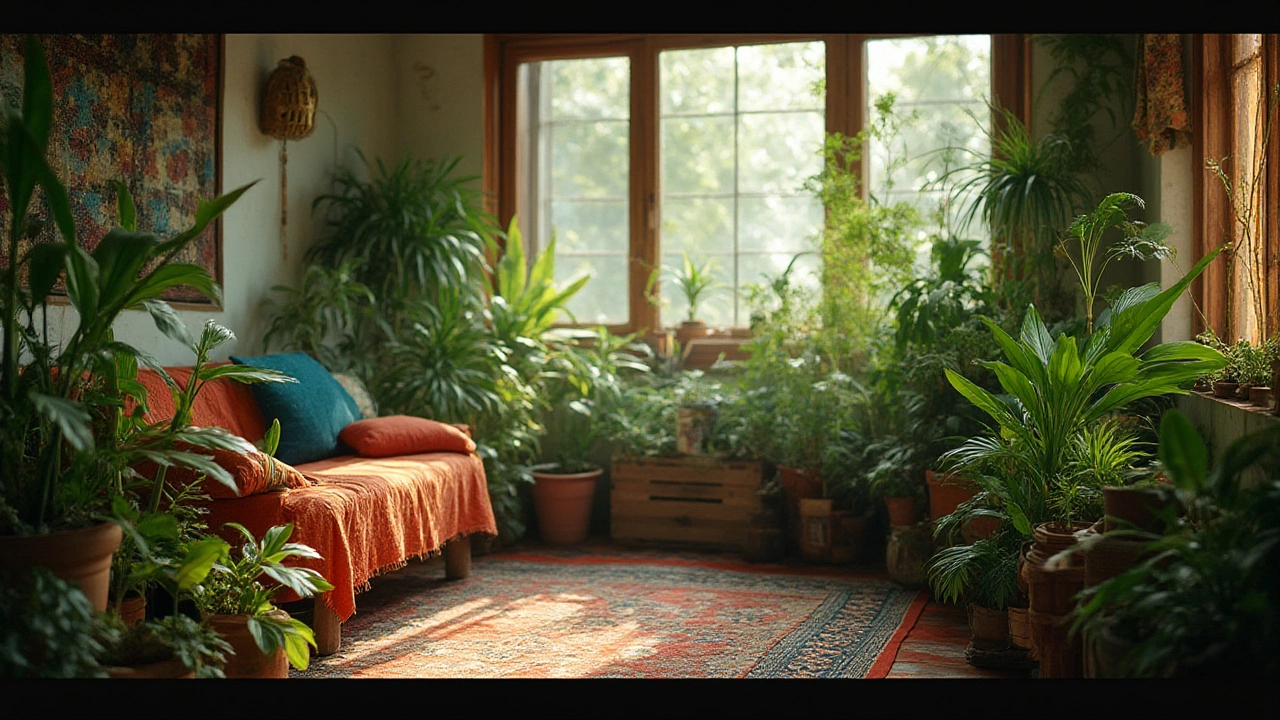
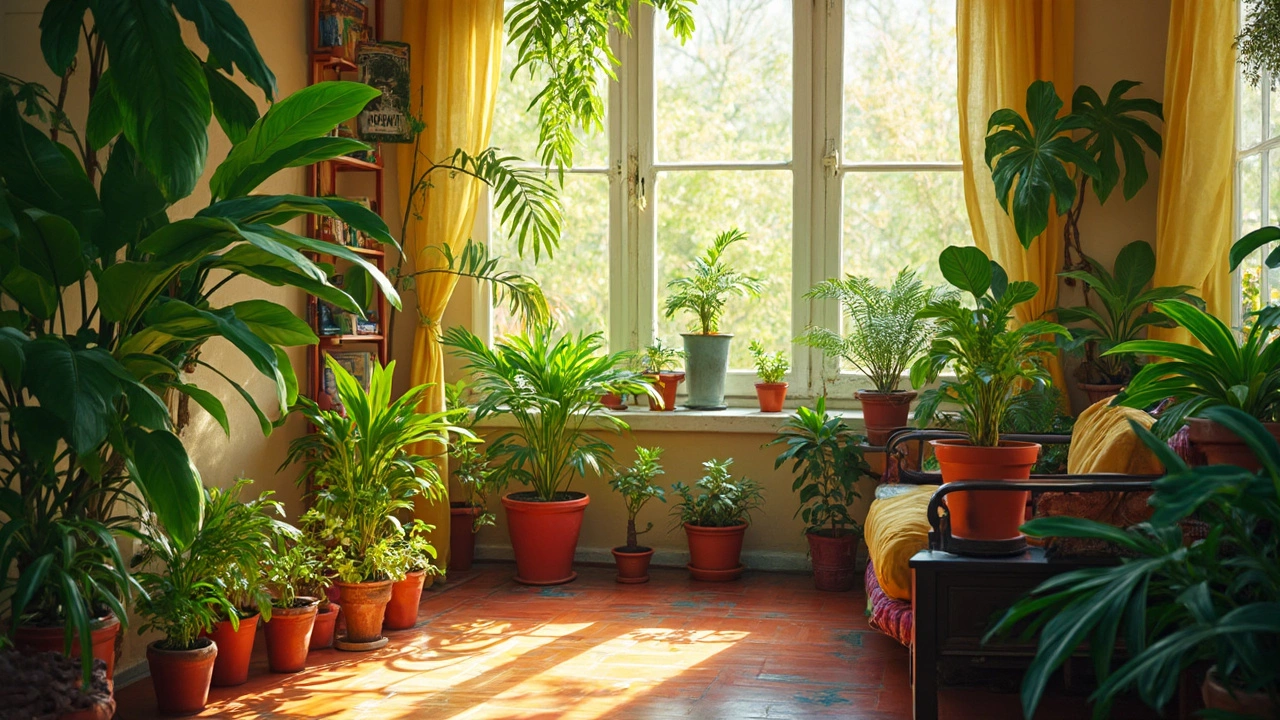
Light is another hidden killer. Just because your plant came from a sunny window in a nursery doesn’t mean your living room has the same intensity. South-facing balconies in Delhi or Mumbai can bake plants in summer. North-facing windows in Kolkata might not give enough light in winter. Rotate your plants every few weeks. If your snake plant is stretching toward the light, it’s begging for more. If your peace lily’s leaves are crispy, it’s getting too much direct sun. And don’t forget indoor gardening, the broader practice of creating sustainable plant environments indoors. It’s not just about buying plants—it’s about matching them to your space. A Vanda orchid needs high humidity and airflow. A ZZ plant? It’ll survive a power outage and a month without water. Know what you’re bringing home.
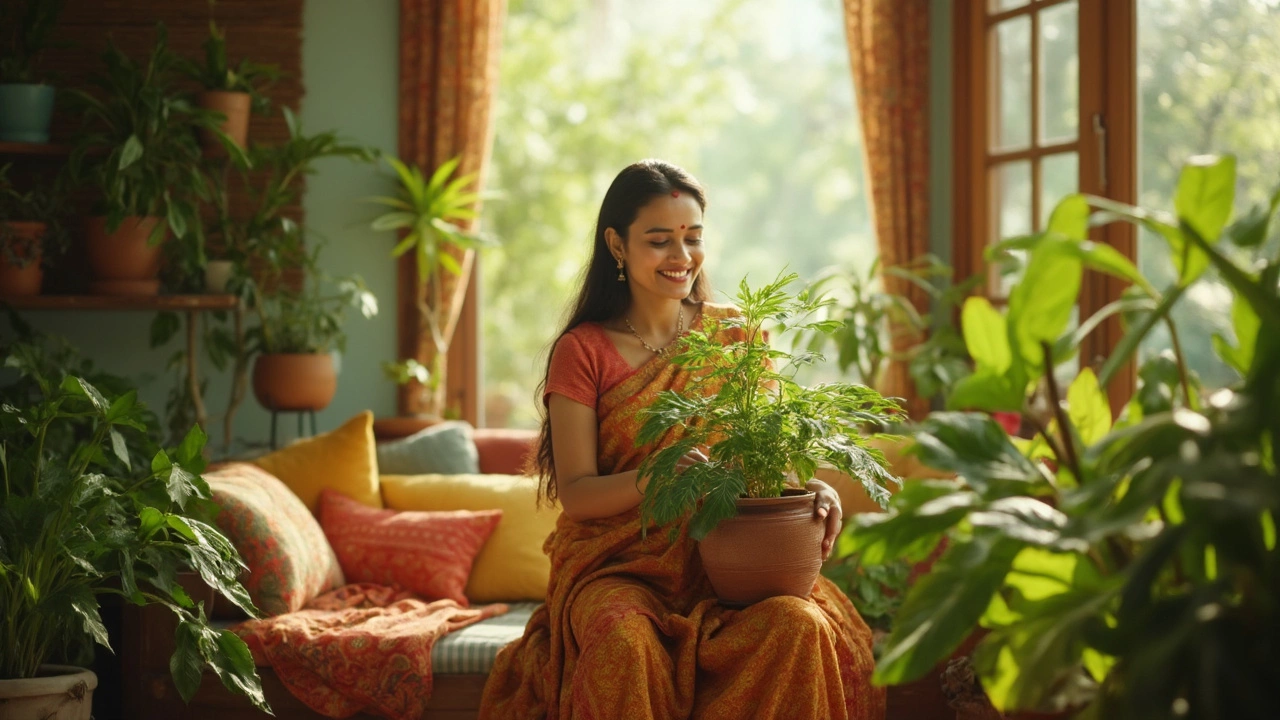
People think indoor plant care is about buying the prettiest pot or the fanciest fertilizer. It’s not. It’s about patience, observation, and matching the plant to your life—not the other way around. You don’t need a greenhouse. You don’t need to be an expert. You just need to stop following random Instagram tips and start paying attention to what your plant is telling you. Below, you’ll find real, tested advice from people who’ve watched their plants die, learned the hard way, and figured out what actually works in Indian homes. No fluff. No myths. Just what keeps plants alive.
Learn how to quickly dry out soggy houseplant soil using airflow, light, and repotting techniques. Prevent root rot and keep your indoor plants healthy with these practical tips.
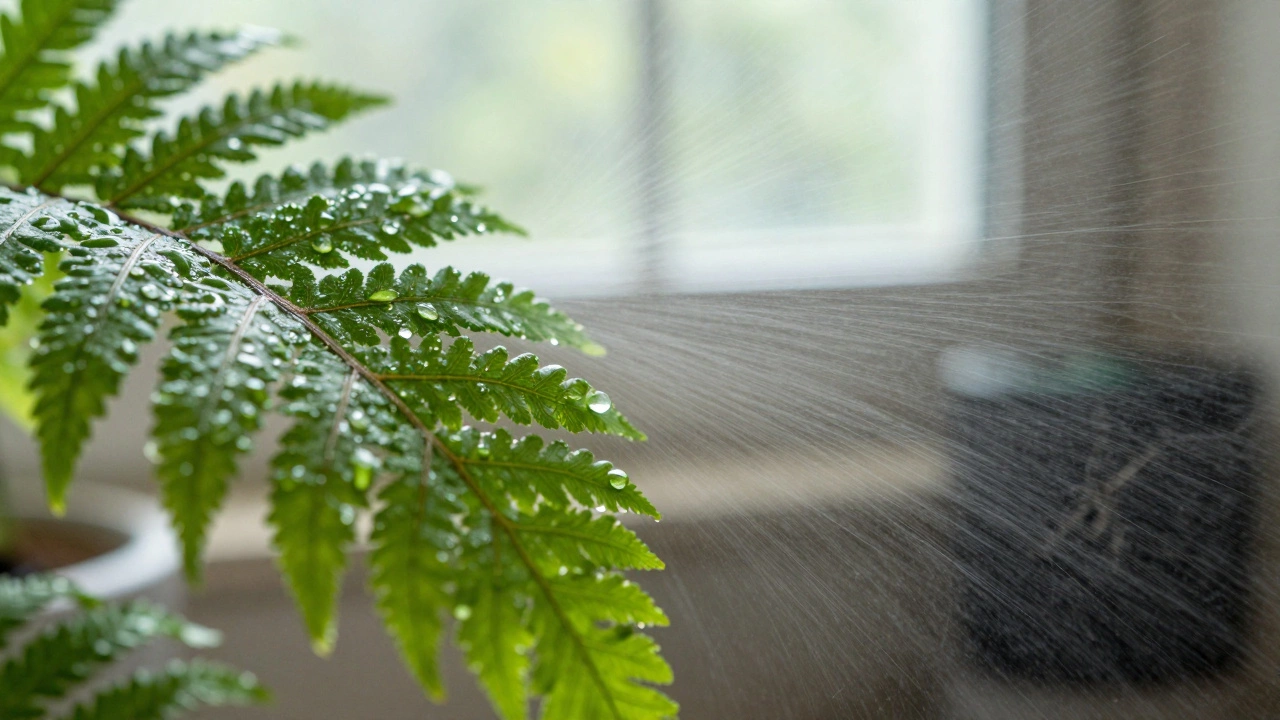
Discover why misting is often bad for indoor plants. Learn the science behind plant hydration, the risks of fungal infections, and better ways to boost humidity for healthier greens.
Misting seems harmless, but for some plants, it’s a recipe for trouble. Discover which houseplants hate misting, why they react badly, and better humidity tricks.
Wondering where to put your happy plant for top-notch growth? This guide breaks down how light, humidity, and common mistakes can impact your plant’s mood. You’ll learn how to spot an unhappy plant and practical tips to keep it thriving. Say goodbye to wilted leaves and hello to a lush, green home companion. Get real advice you can use, no green thumb required.
Not sure when to water your houseplants? This article clears up the confusion with practical advice and real-life examples. You'll learn how to read signs from your plants, find out why a strict weekly schedule doesn't work, and get tips to avoid overwatering or underwatering. Discover the factors that really decide how often to water, plus easy tricks to make watering less stressful. End plant guesswork for good!
Struggling to keep houseplants alive? Meet the snake plant, the ultimate starter for anyone with a nervous watering hand or a forgetful mind. This article unpacks why the snake plant stands out as the easiest houseplant, with real tips on what keeps it alive in less-than-perfect conditions. You'll find out what makes this plant nearly indestructible and learn simple tricks to keep it thriving. Curious about what NOT to do? We'll cover that too, so you never kill another indoor plant again.
Overwatering is one of the biggest culprits when it comes to unhappy houseplants. Recognizing the signs of an overwatered plant can save your greenery from wilting away. In this article, we delve into what an overwatered plant looks like, offering tips to prevent and fix this common issue. Discover easy-to-spot symptoms like yellow leaves and wilting that might not mean what you think.
Deciding whether tap water is suitable for indoor plants can be a tricky business. While many houseplants can thrive on tap water, the minerals and chemicals it contains may not be ideal for all species. Learn how to determine if your home tap water is fit for your houseplants, explore alternatives, and discover tips on how to improve the quality of water for optimal plant health.