Indoor Plants Humidity: How to Keep Your Houseplants Happy and Healthy
When you bring a tropical plant into your home, you’re asking it to survive in a climate it wasn’t meant for. Indoor plants humidity, the amount of moisture in the air around your houseplants. Also known as relative humidity, it’s the silent factor that decides whether your fern thrives or turns brown at the edges. Most houseplants come from rainforests where humidity stays above 60%. Your living room? It’s often below 30% in winter, especially with heating on. That’s not just dry—it’s deadly for plants like peace lilies, calatheas, and orchids.
Humidity for plants, isn’t just about misting leaves. It’s about creating a stable environment that mimics their natural habitat. Plant moisture, the water your plant absorbs through roots and air depends on this balance. If the air is too dry, your plant pulls water from its own leaves to survive—leading to crispy tips and dropped leaves. Too much humidity without airflow? That’s mold and fungus territory. The sweet spot for most tropical houseplants is between 40% and 70%. You don’t need fancy gear to get there. A simple hygrometer costs less than a coffee and tells you exactly what’s happening in the room.
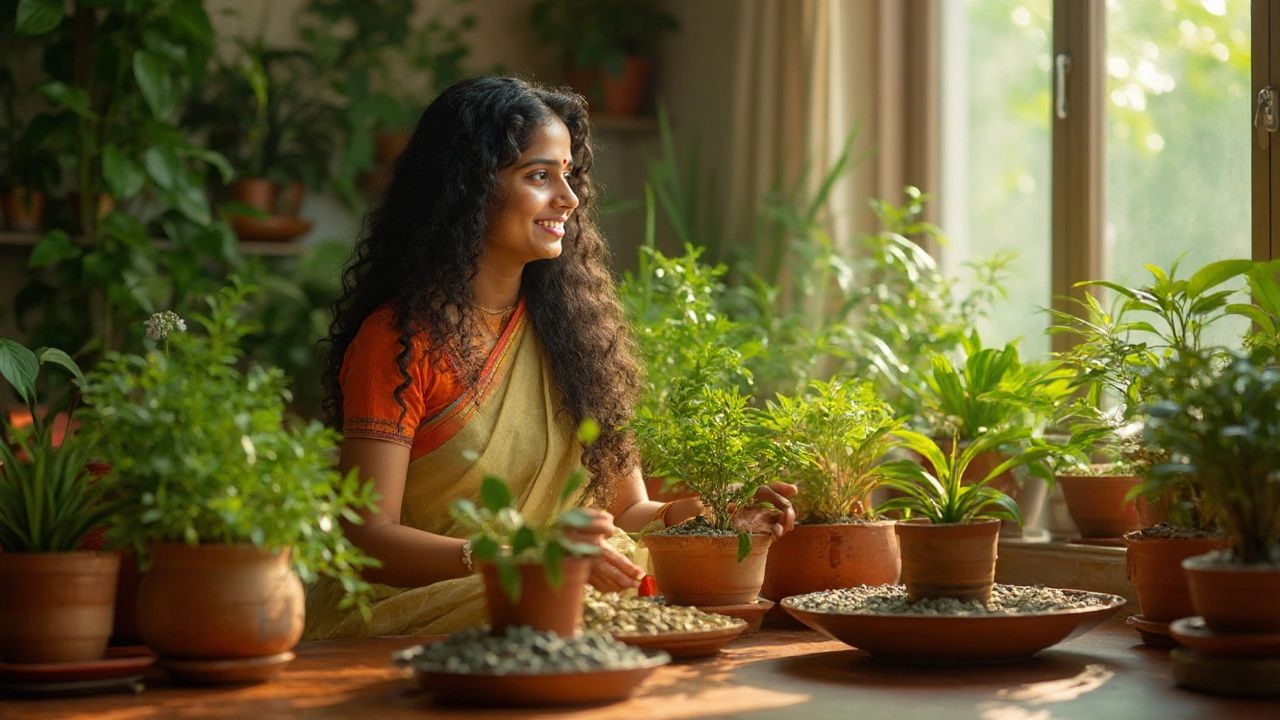
People think they need humidifiers for every plant. But that’s not true. Many plants do fine with just a pebble tray—fill a tray with stones, add water just below the top, then set your pot on top. The water evaporates slowly, raising humidity right where your plant needs it. Grouping plants together helps too. They naturally release moisture through their leaves, creating a mini microclimate. Even a small bathroom with a shower can be a paradise for a monstera or a fern. And if you’re worried about overwatering? Dry air makes plants thirsty faster, so you might think you’re under-watering when you’re actually dealing with humidity loss.
Don’t ignore the seasons. In summer, your home might be naturally humid enough. But when the heater kicks in, humidity plummets. That’s when plants start showing stress—not because you forgot to water, but because the air is sucking moisture out of them. Check your plants weekly. Yellowing edges? Curling leaves? Brown tips? These aren’t just signs of neglect—they’re direct signals of low humidity.
What you’ll find below are real, tested solutions from gardeners who’ve been there. No fluff. No theory. Just what works: how to fix humidity without buying a $100 machine, which plants scream for moisture, and how to tell if your plant is dying from dry air—not bad soil or too much sun. You’ll learn why misting doesn’t work the way you think, how to use a terrarium for tricky plants, and what to do if your home is just too dry for even the toughest fern. These aren’t guesses. They’re fixes that saved real plants in real homes across India’s dry winters and AC-heavy summers.
Curious about pebble trays for indoor plant care? Discover how they boost humidity, keep roots healthy, and upgrade your home jungle easily and naturally.
Continue reading...