Leaf Spraying: What It Is, Why It Works, and How to Do It Right
When you spray liquid directly onto plant leaves, you're doing leaf spraying, a method of delivering nutrients or treatments directly to the foliage instead of through the roots. Also known as foliar feeding, it’s not magic—it’s biology. Plants absorb nutrients through tiny pores called stomata, and when they’re stressed, sick, or in poor soil, this direct route can save them faster than waiting for roots to pull up food from below. This isn’t just for houseplants or fancy orchids. In India’s hot, dry regions where soil gets compacted or nutrients leach away, leaf spraying gives gardeners a real edge.
It’s not just about feeding. neem oil spray, a natural pesticide made from the seeds of the neem tree, is one of the most common and effective uses of leaf spraying. It stops aphids, whiteflies, and mites without killing bees or harming pets. And unlike synthetic sprays, neem breaks down quickly and doesn’t build up in the soil. You can also use it with foliar feeding, the practice of applying liquid nutrients like seaweed extract, compost tea, or diluted fish emulsion directly to leaves. These give plants a quick boost of nitrogen, magnesium, or trace minerals when roots can’t keep up—like during heat stress or after transplant shock.
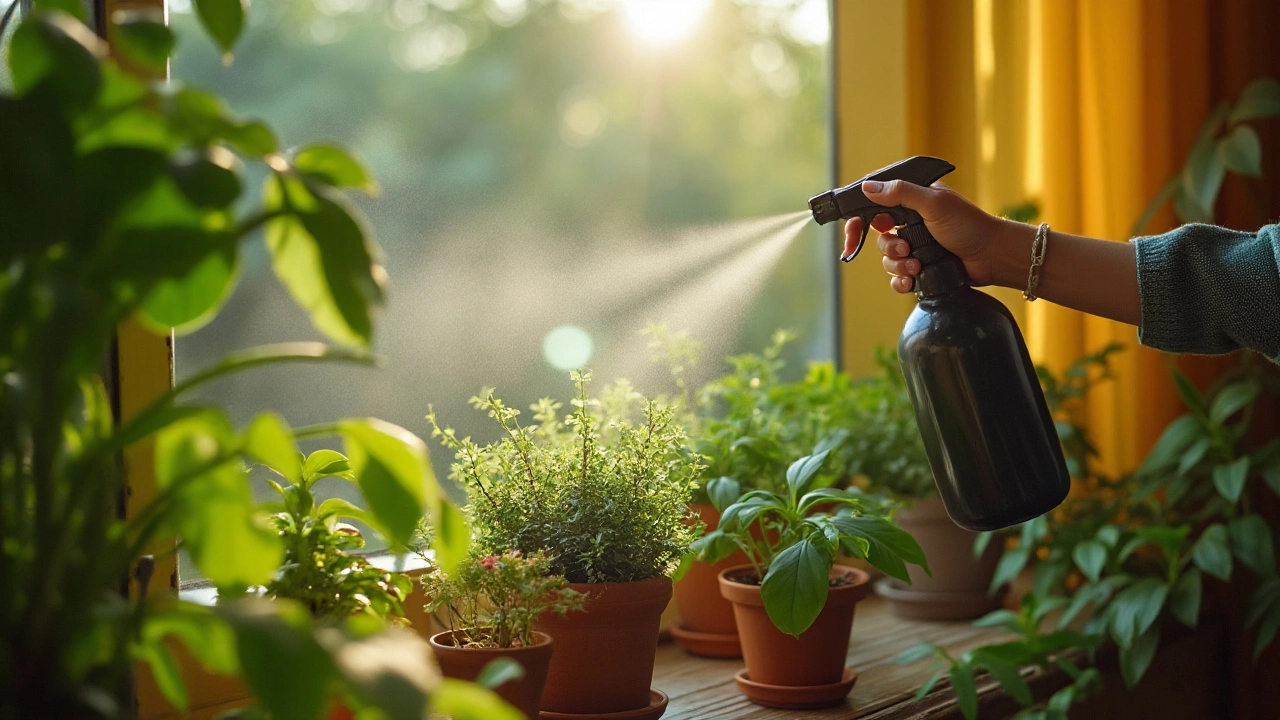
But here’s the catch: leaf spraying only works if you do it right. Spray too late in the day? The droplets sit on leaves overnight and invite fungal rot. Spray under full sun? Water evaporates before the plant can absorb it. Use the wrong concentration? You can burn the leaves instead of helping them. The best time is early morning, when temperatures are cool and humidity is higher. Use a fine mist, not a stream. Cover both sides of the leaves—pests and nutrients don’t care about the top side alone.
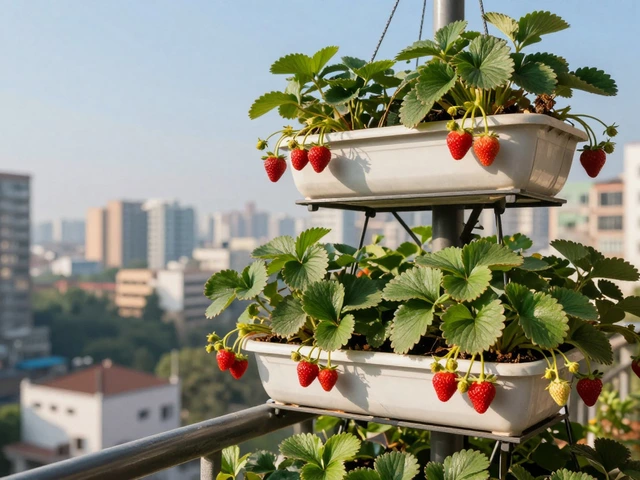
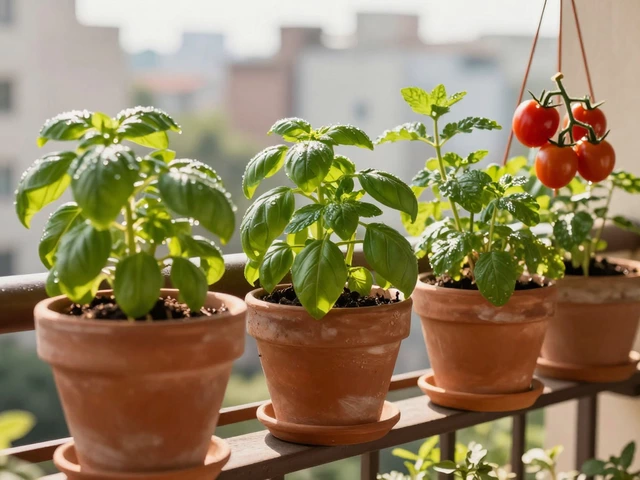
And don’t expect miracles. Leaf spraying doesn’t replace good soil, proper watering, or sunlight. But it does act like a targeted IV drip for plants in crisis. Think of it as emergency care—fast, focused, and powerful when used at the right moment. You’ll see greener leaves, faster recovery from pests, and stronger new growth within days. It’s especially useful for container gardens, where soil volume is limited and nutrients wash out quickly. In India’s monsoon season, when fungal diseases spread fast, a preventive neem oil spray on leaves can stop an outbreak before it starts.
What you’ll find in the posts below are real, tested methods—not theory. From how to mix your own foliar feed using kitchen scraps to why some gardeners swear by kelp sprays over synthetic fertilizers, these guides cut through the noise. You’ll also learn when not to spray, how often to do it, and which plants respond best. No fluff. No hype. Just what works in Indian gardens, with local conditions in mind.
Spraying water on plant leaves is a common practice among indoor plant enthusiasts. This article explores how misting leaves can benefit plant health by increasing humidity and preventing dust buildup. It discusses the right technique, frequency, and specific plant types that benefit most. Readers will also learn about potential pitfalls of over-misting and proper maintenance tips for thriving houseplants.