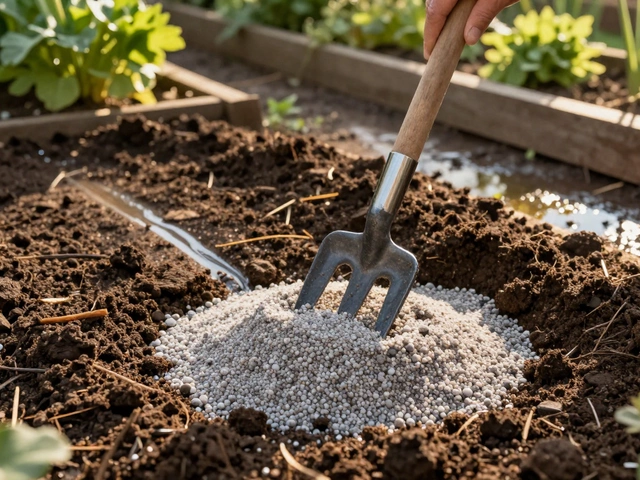
Magnesium Sulfate for Soil: Why It Works and How to Use It
When your plants turn yellow but you’re not overwatering, the problem might be hidden in the soil — not your watering habits. Magnesium sulfate, a simple compound often sold as Epsom salt, is a direct source of magnesium and sulfur, two essential nutrients that plants can’t make on their own. Also known as Epsom salt, it’s one of the few soil amendments that works fast, cheap, and without messing up your soil’s balance. Unlike bulky compost or slow-release fertilizers, magnesium sulfate dissolves quickly and gets absorbed by roots within days. It’s not a cure-all, but for plants struggling with poor chlorophyll production, it’s often the missing piece.
Plants like tomatoes, peppers, and roses often show clear signs of magnesium deficiency — yellowing between leaf veins, curling edges, or stunted fruit. These aren’t just aesthetic issues; they’re signals that the plant can’t make enough energy from sunlight. Magnesium is the center atom of chlorophyll, the green pigment that powers photosynthesis. Without it, even perfect sunlight won’t help. Sulfur, the other half of magnesium sulfate, helps plants build proteins and enzymes. In India’s heavy clay or sandy soils — where nutrients wash out or lock up — magnesium sulfate acts like a reset button. It’s not a replacement for organic matter, but it’s a targeted fix when your soil lacks what your plants need right now.
Some gardeners swear by it for bigger blooms and sweeter fruit. Others use it to revive struggling houseplants or revive lawns after monsoon runoff. But here’s the catch: it only helps if your soil is actually low in magnesium. Applying it blindly won’t make your plants grow faster — it just adds salt to the ground. That’s why testing your soil first matters. If your plants are thriving and green, skip it. But if you’ve tried compost, mulch, and better watering — and still see yellowing — magnesium sulfate might be the answer. You’ll find real-world examples in the posts below: how to mix it, when to apply it, and which Indian gardeners have seen the biggest changes after using it. No fluff. Just what works.