National Fruit of India: What It Is and Why It Matters to Gardeners
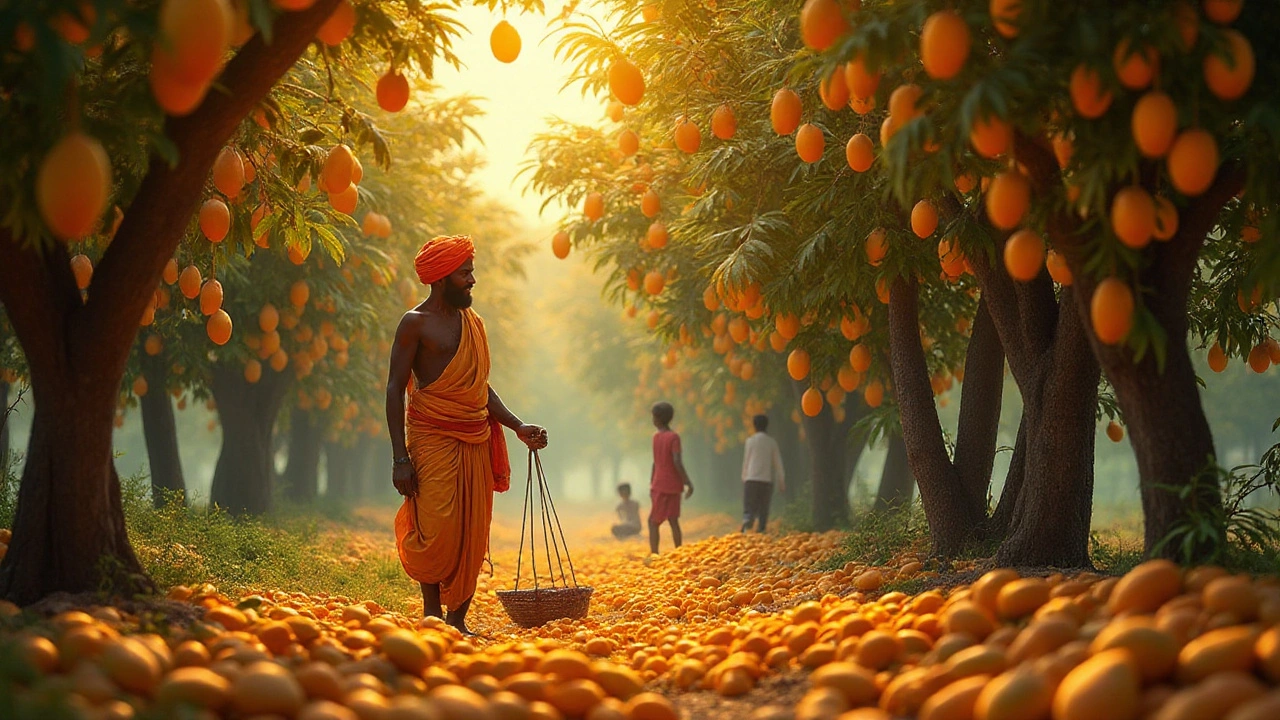
When people talk about the national fruit, the official fruit symbol of a country, often tied to culture, climate, and economy. Also known as state fruit, it's not just a title—it’s a reflection of what grows best and matters most to the people. In India, that fruit is the mango. It’s not just popular—it’s woven into festivals, recipes, and backyard gardens from Kerala to Punjab. Every year, millions of home gardeners and small farms plant mango trees because they know this fruit delivers not just taste, but income, shade, and tradition.
But the national fruit isn’t the whole story. Indian gardeners are also chasing other high-value crops like durian, a tropical fruit known for its strong smell and premium price, now being trialed in southern states. Then there’s sandalwood, an endangered tree with immense economic and cultural value, often grown alongside fruit crops for shade and soil protection. And let’s not forget the rainy-season Mogra jasmine, a fragrant flower tied to monsoon culture, often planted near homes to attract pollinators and cool the air. These aren’t random plants—they’re part of a larger pattern: Indian gardeners are choosing crops that pay off, survive local conditions, and connect to identity.
What you’ll find in this collection are real stories from people who’ve tried growing these fruits and flowers. Some failed with Vanda orchids because they didn’t understand humidity. Others cracked the code on durian in Tamil Nadu after years of trial. You’ll read about fixing soil for mango roots, using neem oil to protect young fruit trees, and how drip irrigation saves water without starving your plants. This isn’t theory. It’s what works in Indian backyards, terraces, and small farms right now. Whether you’re planting your first mango sapling or wondering why durian is suddenly everywhere, you’ll find practical advice here—no fluff, no guesswork.
India's national fruit, the mango, is an ancient and beloved staple with a fascinating history. Its presence in Indian culture goes beyond culinary use—it's a symbol of love, prosperity, and resilience. This article dives into the varieties of mangoes that are grown across India, their cultural significance, and how to cultivate this king of fruits in your garden.