Overwatering: How Too Much Water Kills Plants and How to Fix It
When you overwatering, the act of giving plants more water than they can use, leading to root damage and decay. Also known as waterlogging, it’s the number one reason houseplants and garden beds fail—even when you think you’re being careful. Most people assume more water means healthier plants. But in reality, soggy soil suffocates roots. Without oxygen, roots rot, leaves turn yellow, and plants collapse—sometimes without warning.
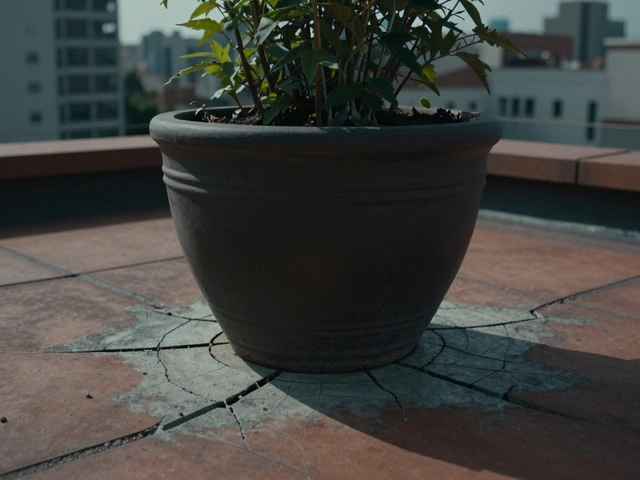
Overwatering doesn’t just happen because you water too often. It’s often caused by poor drainage, wrong soil, or ignoring weather changes. In India’s humid monsoon season, or in small balcony pots with no exit holes, water piles up fast. Even drip irrigation systems can cause overwatering if they run daily without checking soil moisture. The root rot, a fungal disease caused by prolonged wet conditions that breaks down plant roots that follows is hard to reverse. You can’t save a plant with mushy, black roots unless you catch it early. And that’s where most gardeners fail—they wait too long.
Fixing overwatering isn’t about changing your schedule—it’s about reading your plants and soil. Stick your finger two inches down. If it’s wet, wait. If it’s dry, water. Use pots with drainage holes. Swap heavy garden soil for lightweight mix with perlite or coco peat. And if you’re using drip irrigation, don’t set it on auto-pilot. Adjust for rain, humidity, and season. The soil moisture, the amount of water held in the soil, which determines if roots can breathe or drown is your best guide—not the calendar.
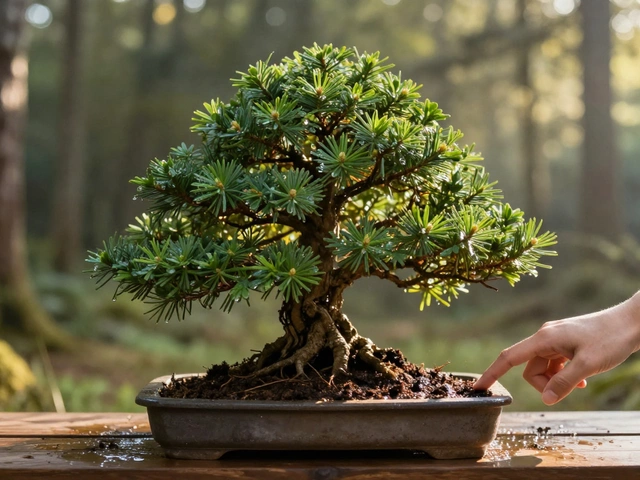
You’ll find real stories here: how a bonsai turned brown from daily watering, how a terrace garden drowned after a monsoon, how neem oil helped after root rot set in. These aren’t theory pages. These are fixes that worked for real Indian gardeners who lost plants and got them back. You’ll learn how to tell the difference between overwatering and underwatering—because the symptoms look similar. You’ll see what to do when your soil stays wet for days. And you’ll find out why some plants, like Vanda orchids, die faster than others when the soil doesn’t dry out.
This isn’t about watering less. It’s about watering right. The right amount, at the right time, with the right setup. And once you get that, your plants won’t just survive—they’ll thrive. Below, you’ll find detailed guides on spotting overwatering signs, fixing soggy soil, and setting up watering systems that don’t drown your plants. No guesswork. Just clear steps.
Wondering if your houseplant needs water? This guide breaks down simple ways to check soil moisture and spot plant cues without fancy gadgets. Get tips on classic mistakes, understand how lighting and pot size affect watering needs, and learn to trust your senses. Master the art of watering, keep your plants perked up, and avoid common pitfalls. Even beginners will feel confident making sure each plant gets just what it needs.