Plant Health Tips: Simple Ways to Keep Your Garden Thriving
When it comes to plant health tips, practical, science-backed methods to improve how plants grow and resist disease. Also known as gardening best practices, it’s not about fancy products—it’s about understanding what your plants actually need to survive and thrive. Most people think healthy plants mean lots of water or expensive fertilizers. But the truth? It’s often the opposite. Too much water, poor soil, or ignoring early warning signs like yellow leaves or sticky residue on stems can kill your plants faster than neglect.
Soil health, the condition of garden soil that supports root growth, nutrient flow, and microbial life. Also known as garden soil quality, it’s the foundation of everything. If your soil is hard and cracked, no amount of fertilizer will help. That’s why fixing compacted soil, dense, poorly aerated soil that blocks water and roots. Also known as hard-packed earth, it is the first step in almost every plant recovery plan. You don’t need tools—just compost, mulch, and a little patience. And when it comes to watering, running a drip irrigation, a system that delivers water slowly to plant roots through tubes and emitters. Also known as low-flow watering system, it every day is a common mistake. Most plants prefer deep, infrequent soaking. Check the soil with your finger—dry an inch down? Time to water. Wet? Wait.
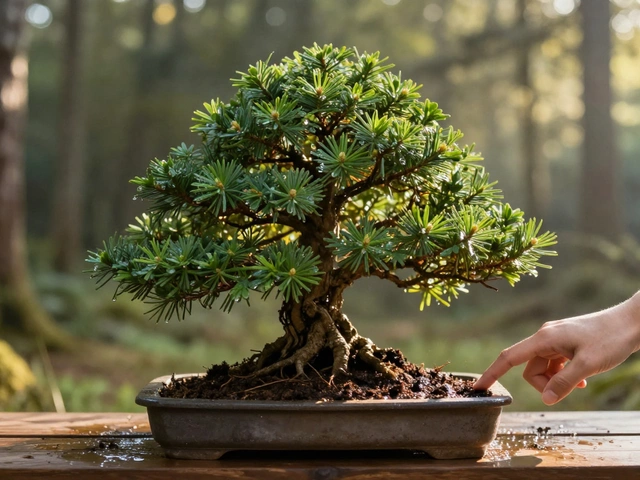
Then there’s pests. You don’t need synthetic sprays. Natural insecticide, a plant-based or organic solution that kills pests without harming beneficial insects or soil. Also known as organic pest control, it like neem oil works better than chemicals for most gardeners in India. It stops aphids, whiteflies, and mites without killing bees or poisoning your veggies. And if your bonsai’s leaves are turning yellow? It’s not the light—it’s probably overwatering. Same with orchids. Vanda orchids don’t need constant misting—they need airflow. Most gardeners fail because they treat every plant like a houseplant.
What you’ll find below isn’t theory. These are real fixes from gardeners who’ve been there—people who saved their bonsai after root rot, turned clay soil into rich earth, stopped using pesticides, and got their terrace garden producing food with just rainwater and compost. You’ll learn how to read your plants like a language, spot problems before they’re deadly, and use what’s already in your backyard instead of buying more stuff. No fluff. No jargon. Just what works in Indian homes, balconies, and small plots.
Overwatering is one of the biggest culprits when it comes to unhappy houseplants. Recognizing the signs of an overwatered plant can save your greenery from wilting away. In this article, we delve into what an overwatered plant looks like, offering tips to prevent and fix this common issue. Discover easy-to-spot symptoms like yellow leaves and wilting that might not mean what you think.