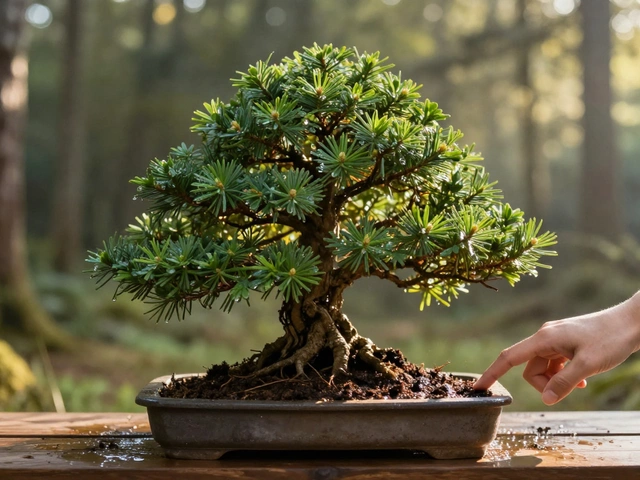
Plant Placement: How to Position Plants for Maximum Growth
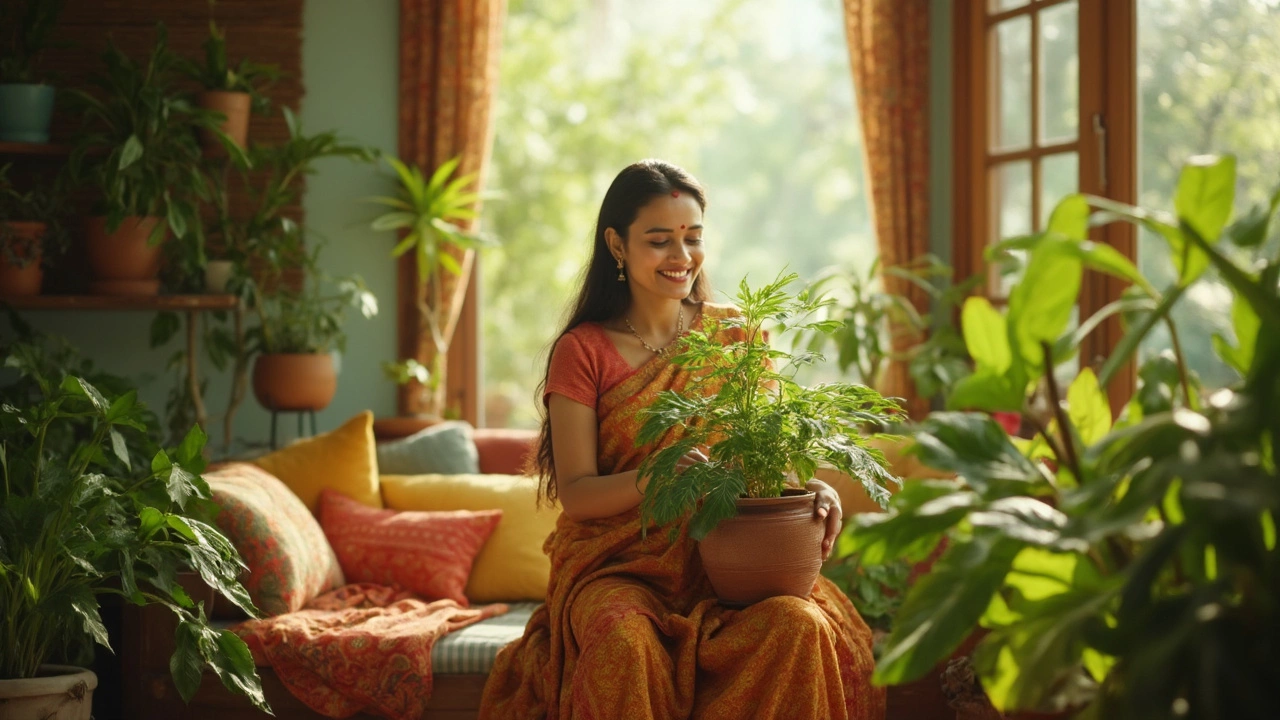
When you move a plant, you’re not just changing its location—you’re changing its whole life. Plant placement, the deliberate positioning of plants based on their environmental needs. Also known as garden layout, it determines whether your plants thrive, struggle, or die. Too many people treat plants like furniture: put them where they look nice and hope for the best. But a jasmine in full shade won’t bloom. A bonsai on a hot balcony without airflow will rot. A vegetable in a tiny pot with compacted soil won’t feed you. Plant placement isn’t decoration—it’s biology.
Success starts with understanding three core factors: sunlight needs, how much direct or indirect light a plant requires daily, soil conditions, drainage, texture, and nutrient levels, and airflow, the movement of air around leaves and roots that prevents mold and strengthens stems. A Vanda orchid, for example, needs high humidity and constant breeze—putting it in a closed corner with no air flow is a death sentence. Meanwhile, a tomato plant craves six hours of direct sun and loose, rich soil. If you plant it under a tree where the roots steal water and the canopy blocks light, you’re not gardening—you’re fighting nature.
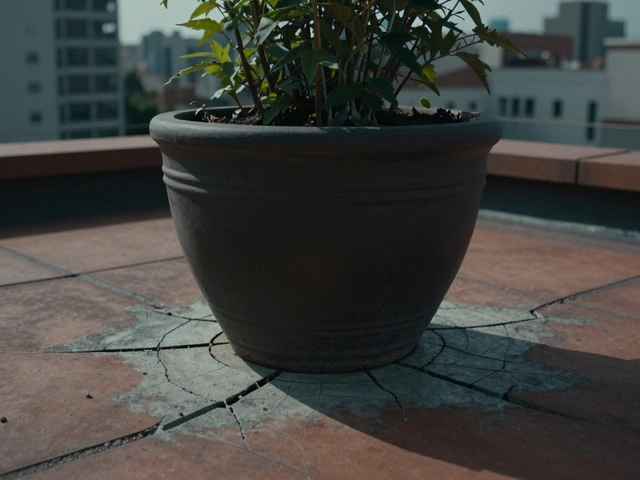
Indoor plants get the same rules. A succulent on a north-facing windowsill won’t grow. A fern in a steamy bathroom might love it—but if the pot sits in standing water, the roots drown. Even small spaces like balconies and patios need smart placement. A 10x10 patio can hold a full vegetable garden, but only if you group sun-lovers together and keep shade-tolerant plants where the building blocks the light. And don’t forget temperature. A balcony that turns into an oven in summer will kill even the toughest plants unless you use shade sails or reflective surfaces to cool the air around them.
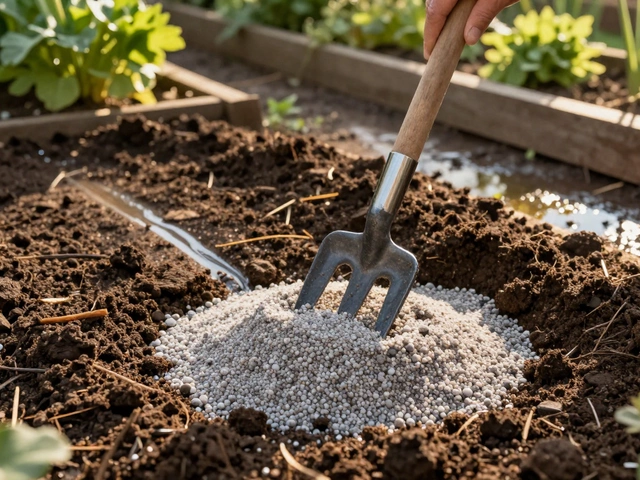
Soil matters too. Compacted soil is the silent killer. It stops roots from breathing and water from draining. If your plants look sad even after watering, check the soil. Is it hard as brick? That’s not a watering problem—it’s a placement problem. You need to fix the ground, not just the schedule. And don’t ignore the bigger picture: plants near walls or fences get reflected heat. Plants near AC units get dry, cold blasts. Even a plant’s proximity to a water source affects its health—drip irrigation works best when emitters are placed near the root zone, not just anywhere on the surface.
There’s no one-size-fits-all rule. But there are patterns. The plants that survive are the ones placed where their needs match the environment. The ones that fail? They were moved for looks, not science. This collection of posts doesn’t just list tips—it shows you real mistakes, real fixes, and real results. You’ll see how overwatered bonsais are often victims of bad placement, not bad watering. How drip irrigation fails when emitters are spaced wrong. How the toughest plants in India aren’t hard to grow—they’re just placed wrong. By the end, you won’t just know where to put your plants—you’ll know why.
Wondering where to put your happy plant for top-notch growth? This guide breaks down how light, humidity, and common mistakes can impact your plant’s mood. You’ll learn how to spot an unhappy plant and practical tips to keep it thriving. Say goodbye to wilted leaves and hello to a lush, green home companion. Get real advice you can use, no green thumb required.