Sunlight for Gardens: How Much Do Your Plants Really Need?
When it comes to growing healthy plants, sunlight, the natural source of energy that drives photosynthesis and determines where plants can survive. Also known as light exposure, it's not just about how many hours your garden gets—it's about intensity, timing, and how your plants respond. In India’s varied climates, from the hot dry plains to humid coastal zones, sunlight isn’t a one-size-fits-all factor. A plant that thrives under 6 hours of direct sun in Rajasthan might wither in the same hours in Kerala, where humidity and heat combine differently. Many gardeners assume more sun is always better, but too much direct light can scorch leaves, dry out soil too fast, and stress even tough plants like tomatoes or chillies.
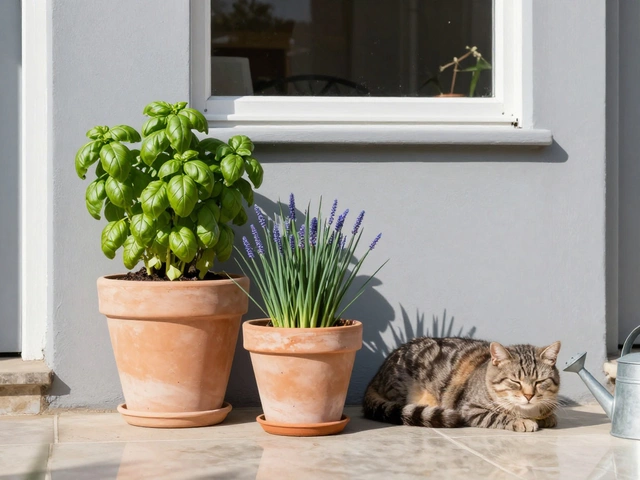
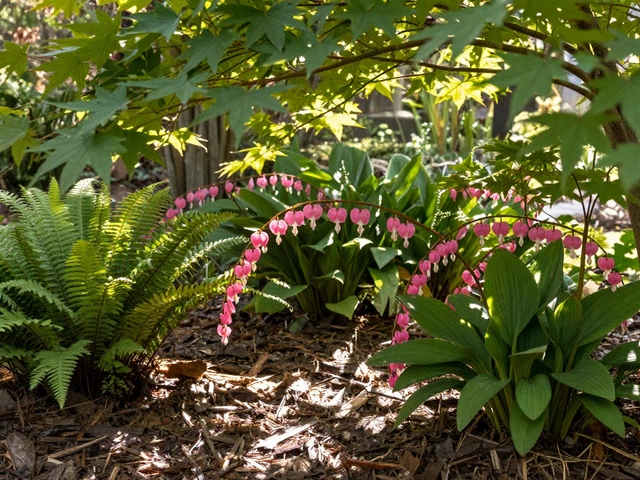
Full sun, defined as at least 6 hours of direct, unfiltered sunlight per day works for vegetables like okra, brinjal, and herbs like basil. But partial shade, 3 to 6 hours of morning or filtered sunlight is where plants like spinach, coriander, and even some orchids like Vanda find their sweet spot. Then there’s full shade, less than 3 hours of direct sun, often under trees or on north-facing balconies—a zone many give up on, but where ferns, pothos, and certain varieties of ginger can still grow well. The key is matching the plant to the light, not forcing the plant to adapt to your space. If your plant’s leaves turn pale, stretch toward the window, or drop without warning, it’s not getting the right kind of sunlight—not necessarily too little water.
What most guides miss is that sunlight changes with the seasons. In winter, even southern-facing balconies get weaker light. In summer, the same spot can become a heat trap. That’s why you’ll find posts here on how to cool a hot balcony, how to fix soil that dries out too fast under direct sun, and why some plants like Vanda orchids fail not because of water, but because of light mismatch. You’ll also see how sunlight interacts with other factors—like drip irrigation schedules, soil compaction, and even container choice. A plant in a dark pot on a sunny balcony can overheat faster than one in the ground. And if you’re growing veggies in pots, the angle of the sun affects how evenly they get light all day.
This collection doesn’t just tell you how many hours of sun your plant needs. It shows you how to read the signs, adjust for your balcony or terrace, and fix problems before they kill your plants. Whether you’re growing durian in a small space, trying to keep jasmine blooming through monsoon, or wondering why your bonsai keeps yellowing, the answer often starts with sunlight—how much it gives, how it changes, and how you can work with it, not against it.
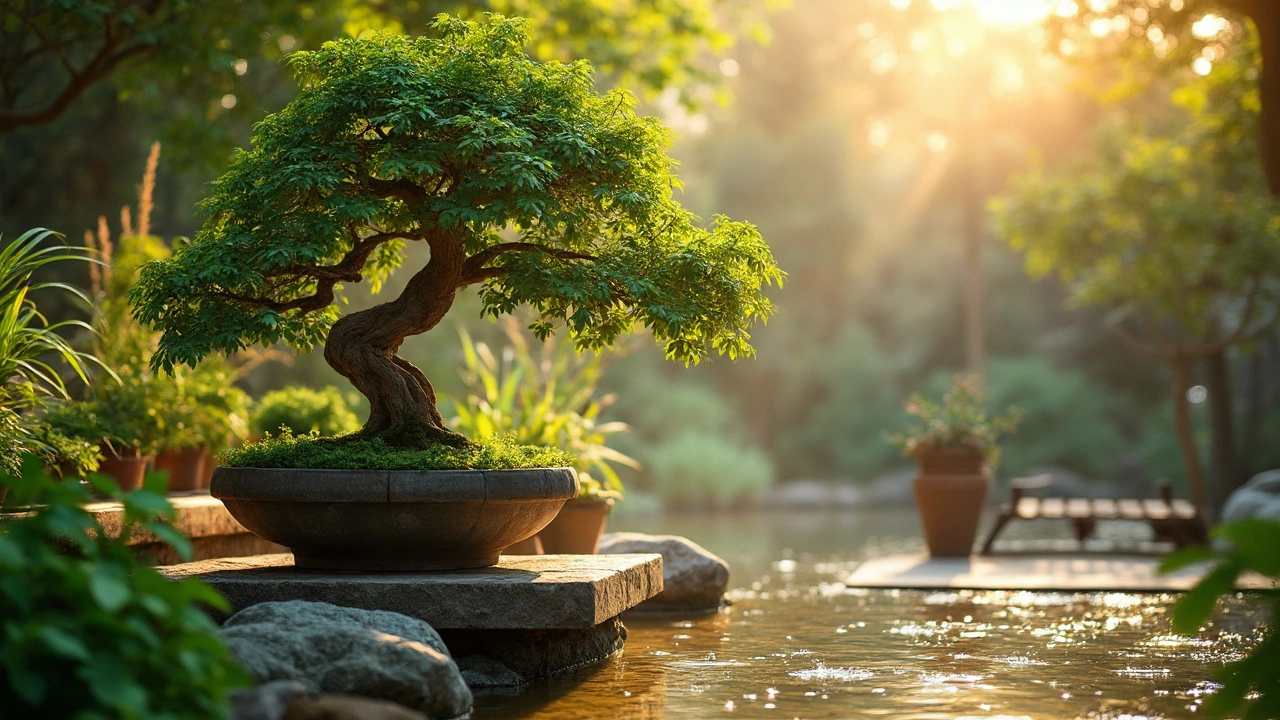
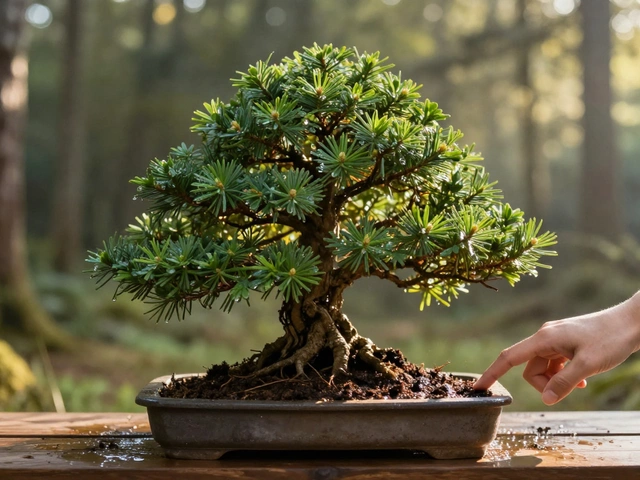
Considering whether to place your bonsai in direct sunlight? Learn about the ideal light conditions for your bonsai trees, including specific exposure tips. Understand the importance of species-specific needs and recognize signs of too much or too little light. This guide will help you make informed choices about light exposure for healthier bonsai.