Urban Vegetable Garden: Grow Fresh Food in Small Spaces
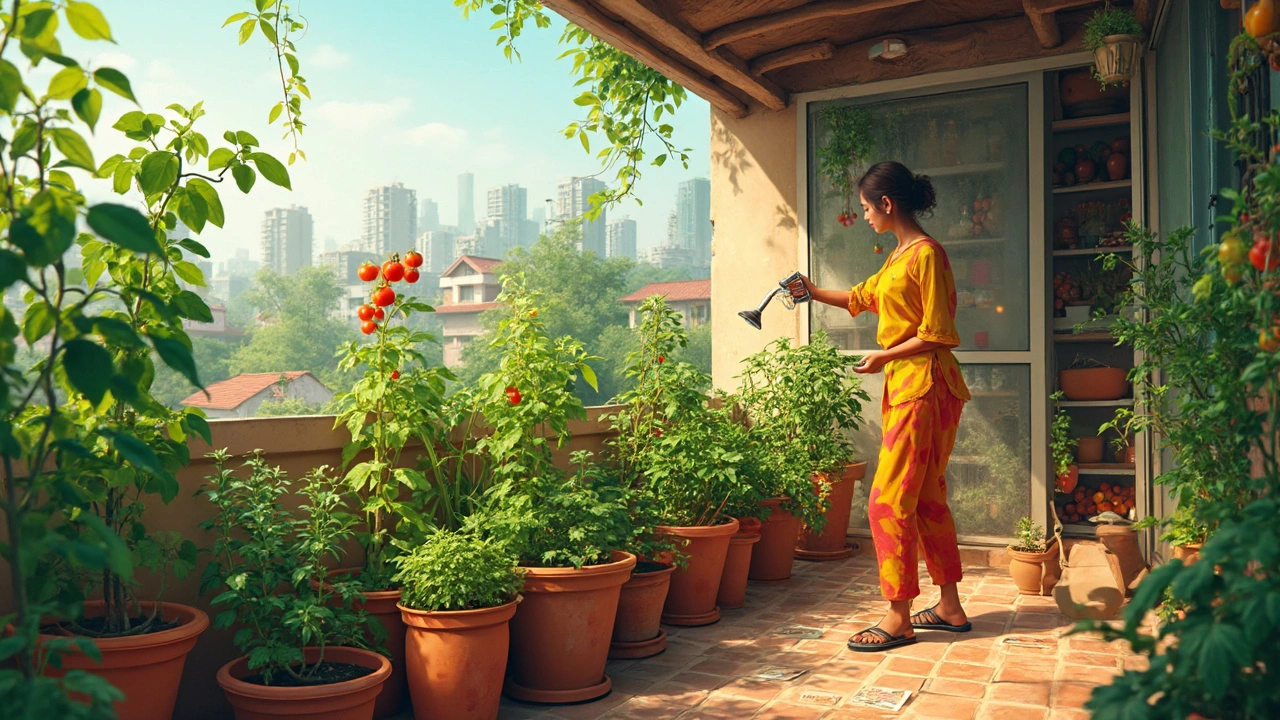
When you think of a urban vegetable garden, a system for growing edible plants in city environments using limited space and smart techniques. Also known as small space gardening, it’s not just a trend—it’s a practical way to cut grocery bills, eat fresher food, and reconnect with nature without needing a backyard. In India’s crowded cities, where open land is rare, this isn’t about big plots. It’s about using what you have: a balcony, a rooftop, a windowsill, even a 10x10 patio. You don’t need perfect soil or endless sunlight. You need the right plants, the right containers, and the right watering habits.
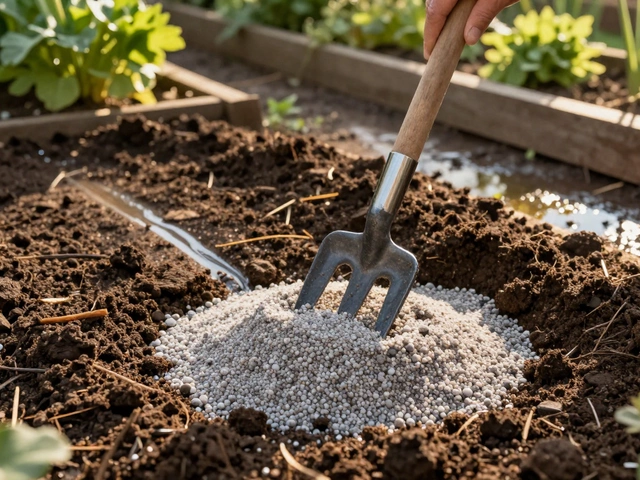
Many people fail at urban gardening because they treat it like a farm. They overwater, use the wrong pots, or pick plants that need too much sun. But the best urban vegetable gardens work with constraints, not against them. Container gardening, growing plants in pots, buckets, or vertical systems instead of open ground. Also known as potted vegetable gardening, it’s the backbone of every successful small-space setup. You can grow tomatoes, chillies, spinach, and even cucumbers in containers—if you match the plant to the light and don’t drown the roots. And that’s where drip irrigation, a low-waste watering method that delivers water slowly and directly to plant roots. Also known as precision watering, it’s the quiet hero of urban gardens. Running it every day? That’s a mistake. Most urban gardeners kill their plants with too much water. The right drip schedule depends on the season, the pot size, and the plant. Same with soil: compacted dirt in a balcony planter won’t let roots breathe. You need to loosen it with compost, not just buy new soil.
What you’ll find in this collection isn’t theory. It’s what works on real balconies in Mumbai, Delhi, and Bangalore. You’ll see which vegetables actually thrive in shade, how to fix soil that’s turned to concrete, why neem oil beats chemical sprays for pests, and how to build a self-sustaining system using rainwater and homemade fertilizer. Some posts talk about the toughest plants to grow—like Vanda orchids—so you know what to avoid. Others show you how to cool a hot balcony or pick the best emitters for your drip system. No fluff. No jargon. Just clear, tested advice from people who’ve done it.
Urban living doesn't mean you can't grow your own food. From selecting containers to harvesting tomatoes, this guide gives you simple steps for balcony gardening success.